
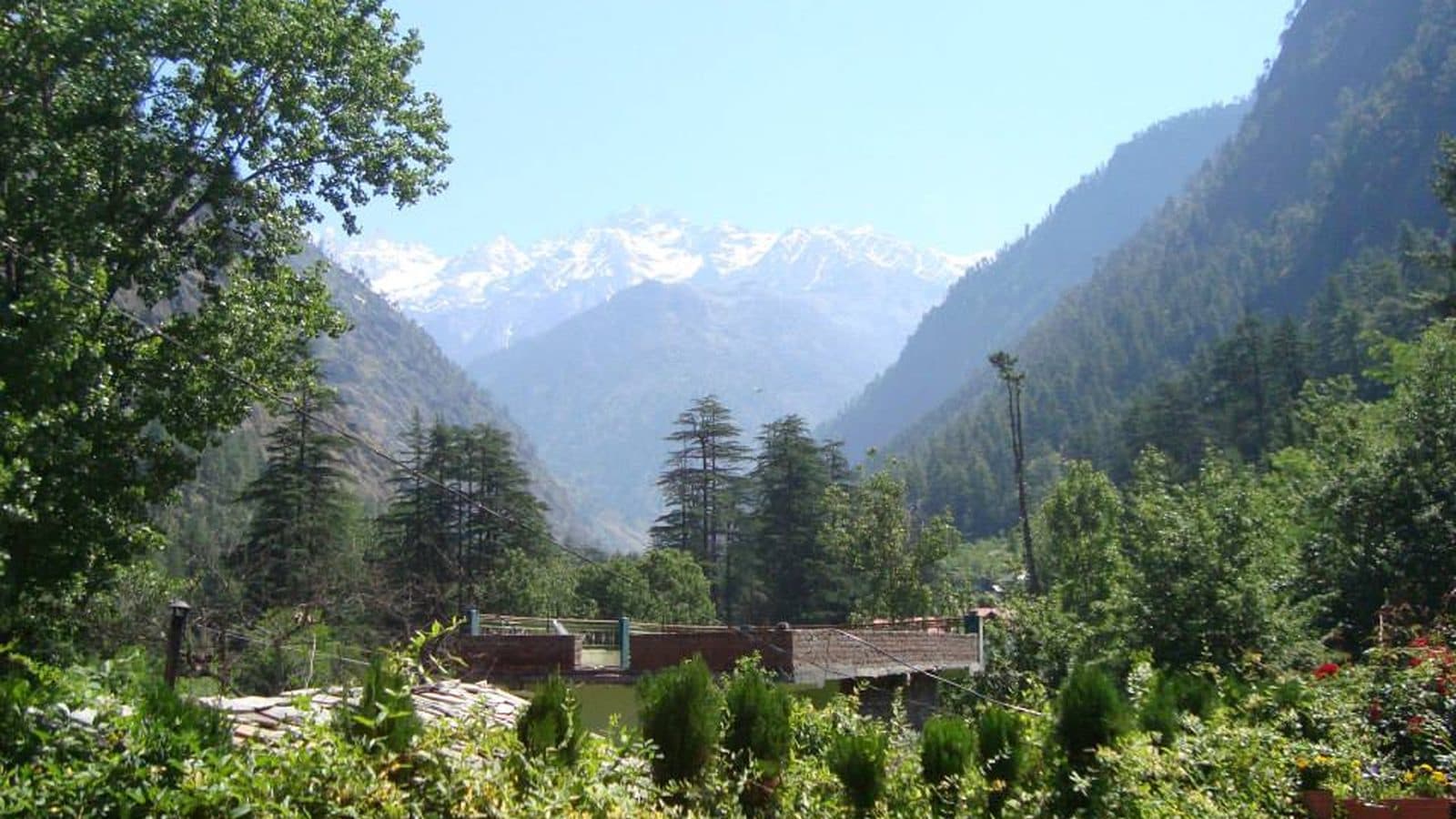
Kasol: A Gateway with Its Own History
Kasol became a familiar gateway to Parvati Valley through decades of travel and tourism. Its history is one chapter in a region of distinct places.
A town with its own history, not a synonym for the valley around it.
The Journey
Kasol is often used as a shorthand for Parvati Valley. The district administration's description gives the region a wider frame: a landscape with several towns, pilgrimage places and routes, not one gateway alone.[1]
The town has its own modern history. ThePrint's 2026 ground report traces Israeli backpacker travel here to the late 1970s and 1980s. It describes Hebrew signs, cafes and lodging shaped by years of visitors, and the work that tourism created for local businesses.[2] It also records residents' concerns about the pressures of growth. Those reported views matter, but they should not be made to stand for everyone who lives or works here.
The familiar nickname "Mini Israel" captures one visible thread in that history; it also makes a complicated town sound like a visitor's annex. Kasol is not only its tourism economy, and the valley beyond it is not an extension of the town.
This chapter therefore stops short of prescribing a weekend route. The following chapters move among distinct places and traditions, not along one continuous trek. The next turns to Manikaran, where the region's pilgrimage history comes into sharper focus.
Questions Yatris Ask
Related Chapters
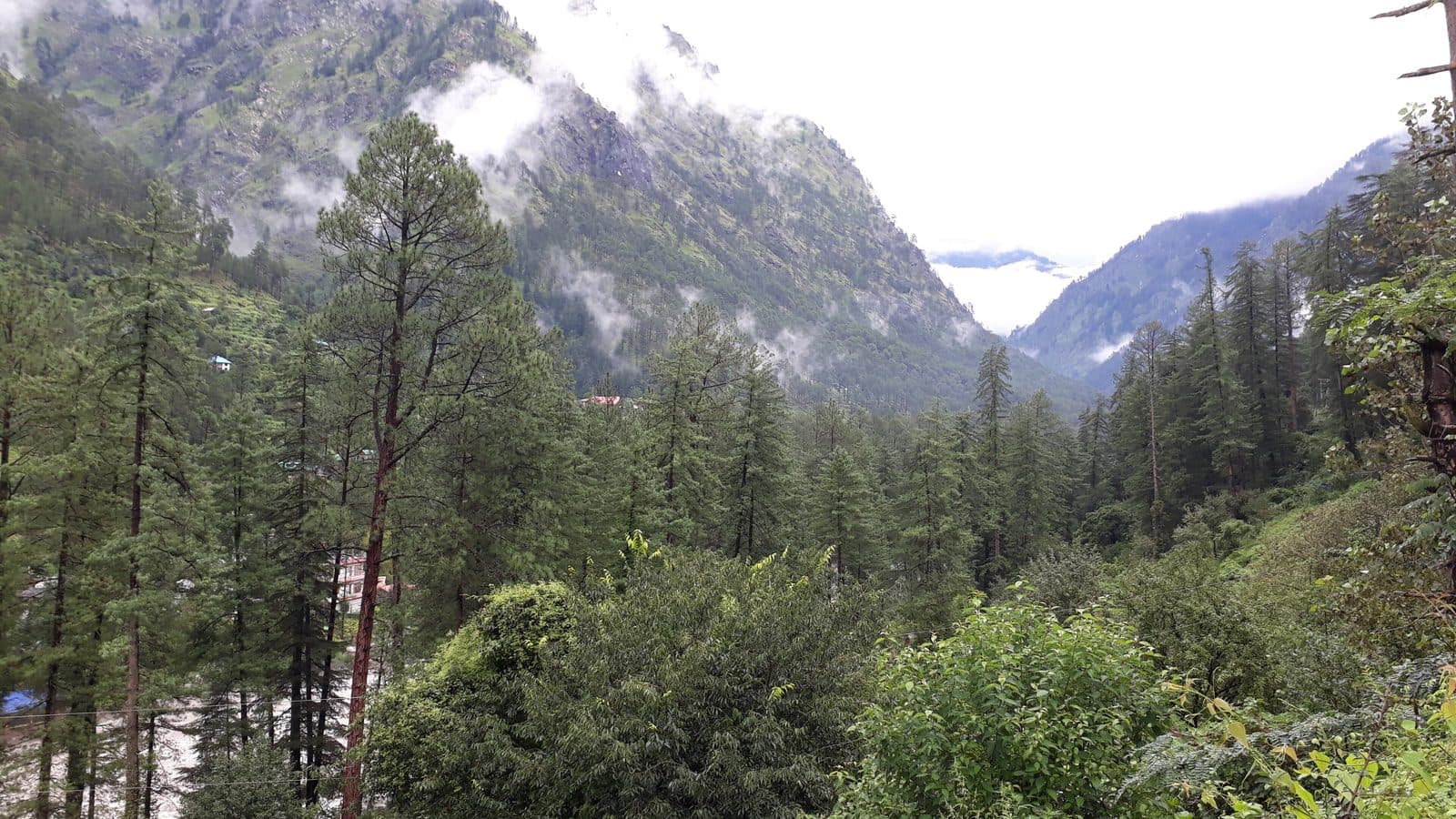
Understanding Parvati Valley
An opening to Parvati Valley through Kasol, Manikaran and the distinct settlements and routes gathered in this book.
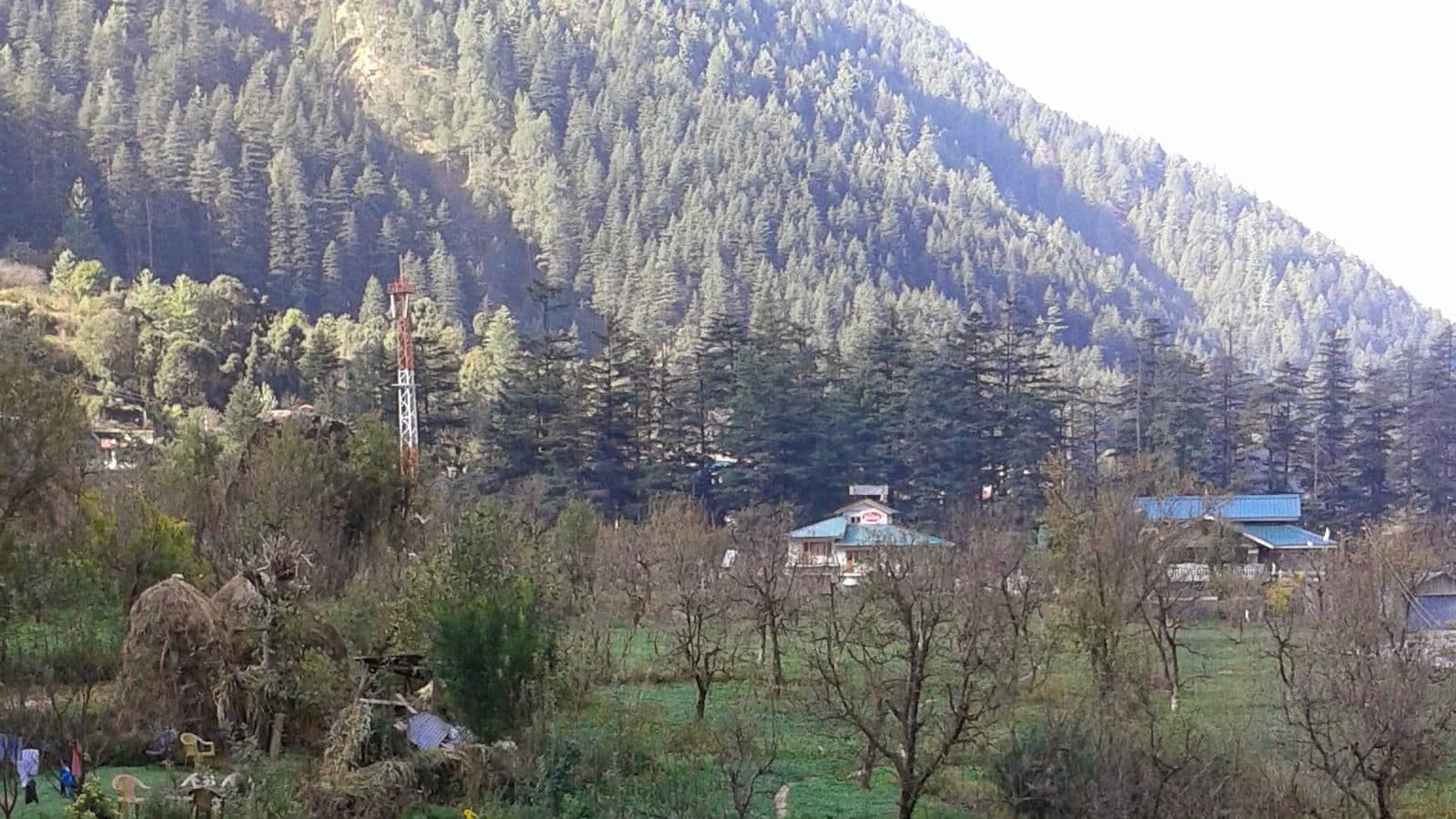
Grahan, A Village That Protects Its Traditions
A nine kilometre climb from Kasol leads to a village that runs on its own rules, kept not by law but by a shared decision the community has held onto for generations.
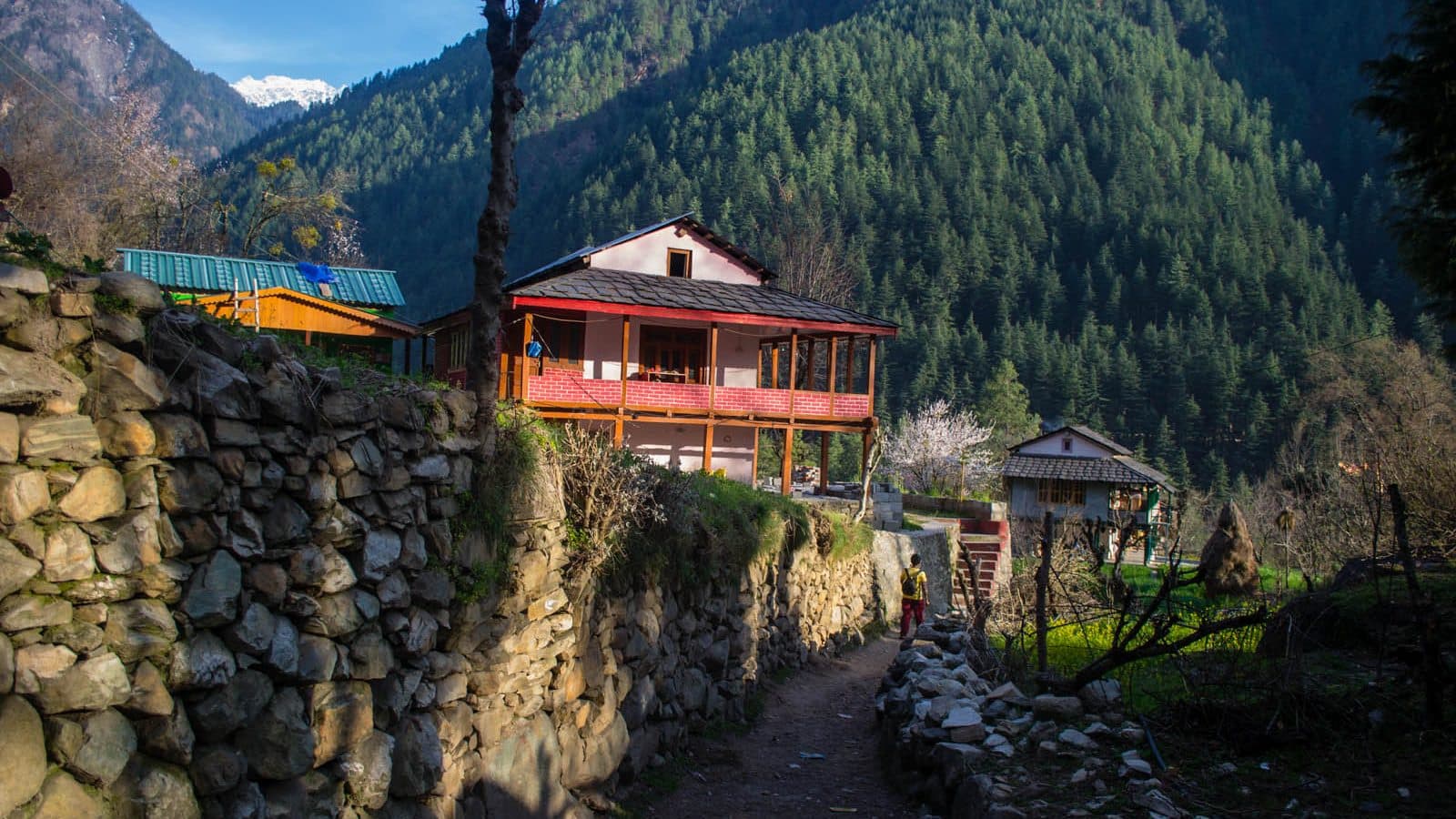
Chalal: A Field Note
Existing published material is too limited to support a detailed history or current access guide to Chalal. This field note keeps those gaps visible.
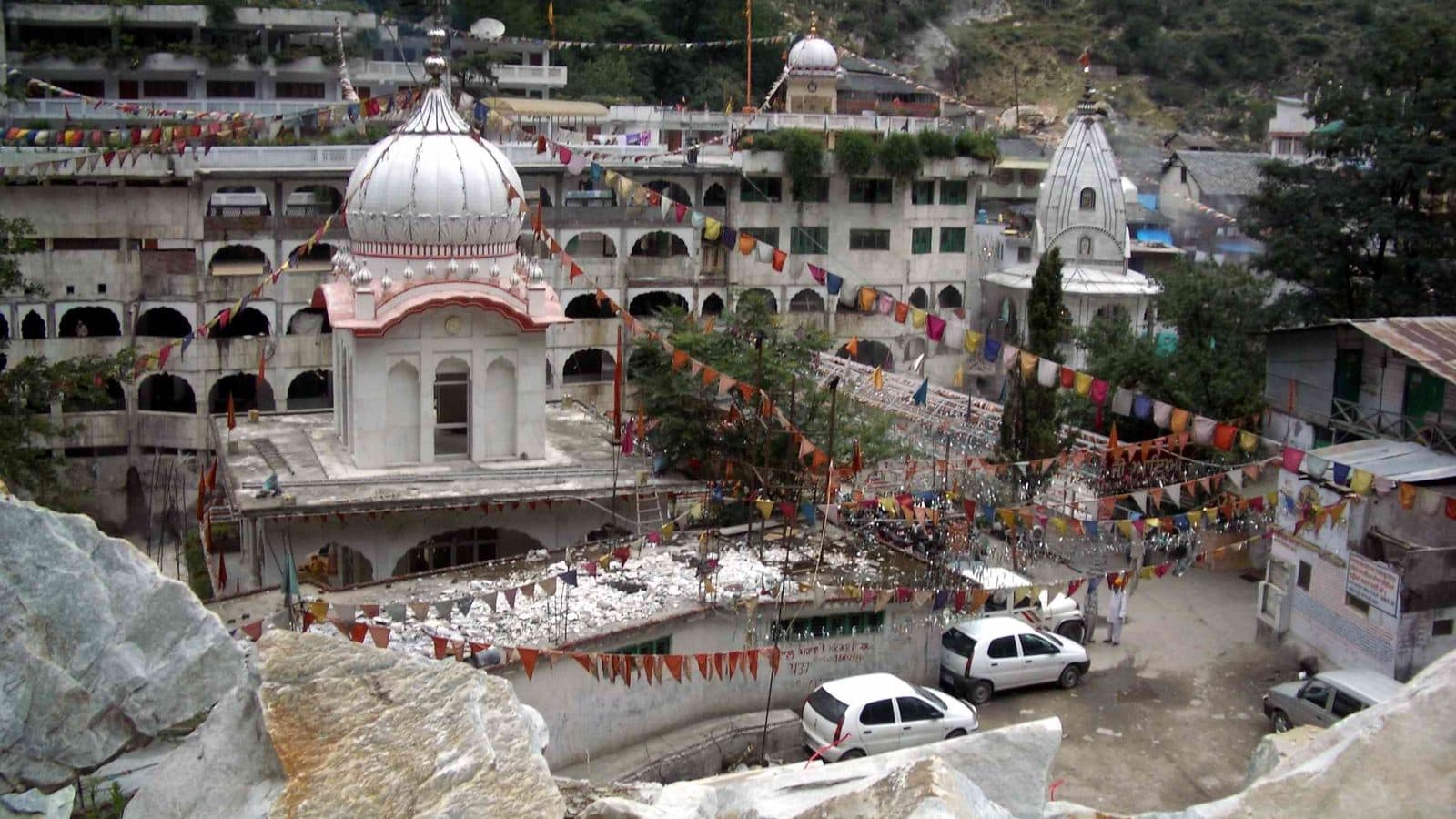
Manikaran: Hot Springs and Pilgrimage Traditions
Manikaran's hot springs draw Hindu and Sikh pilgrims. Government information records the site's geography and pilgrimage context; devotional accounts preserve distinct traditions about its meaning.
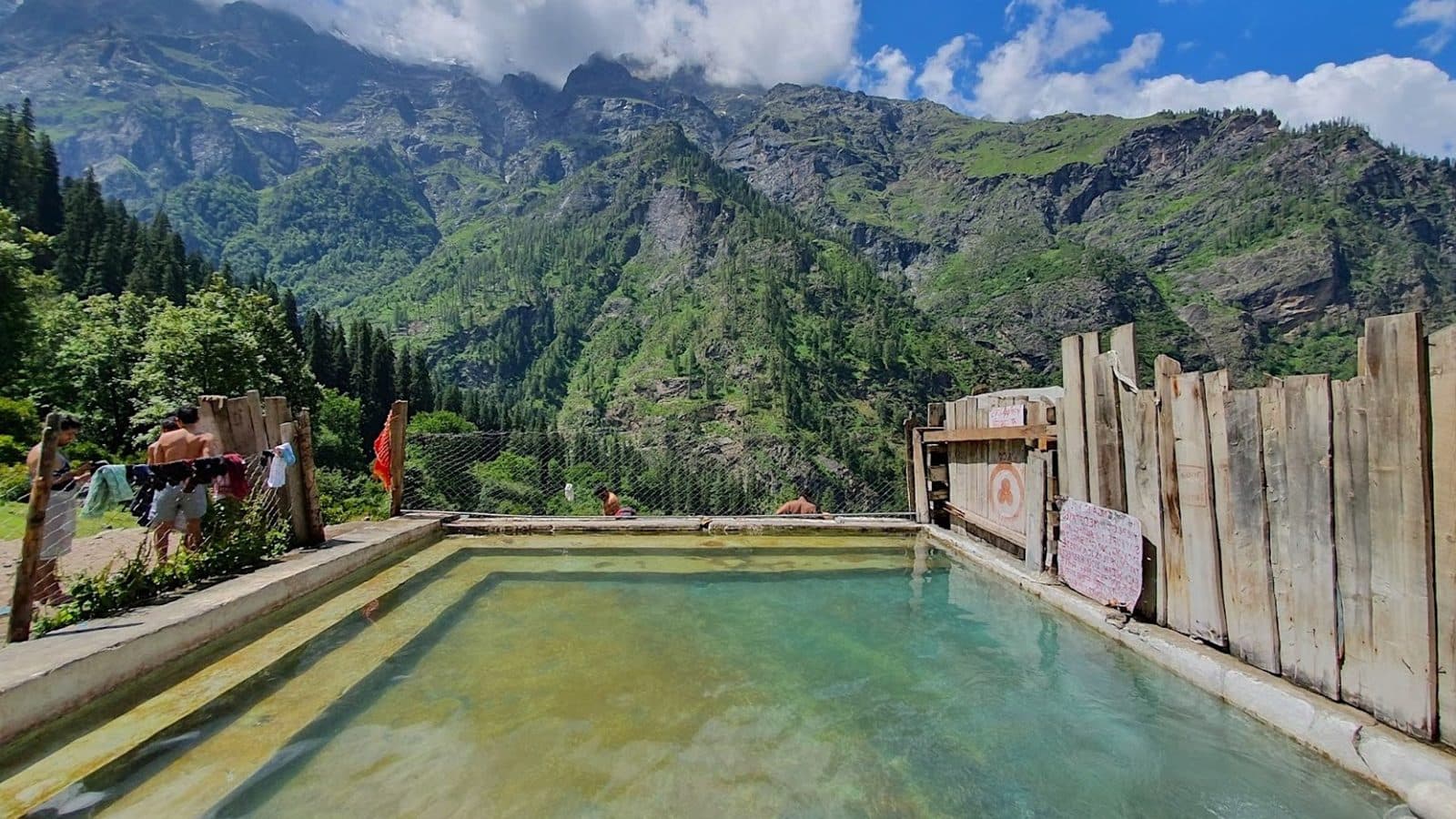
Kheer Ganga + Buni Buni Pass
Forest ascents to a sacred pool, then onward to a humble ridge. Since 2024, the overnight version of this trip no longer legally exists.
Related Places
Understanding Parvati Valley
An opening to Parvati Valley through Kasol, Manikaran and the distinct settlements and routes gathered in this book.
Grahan, A Village That Protects Its Traditions
A nine kilometre climb from Kasol leads to a village that runs on its own rules, kept not by law but by a shared decision the community has held onto for generations.
Chalal: A Field Note
Existing published material is too limited to support a detailed history or current access guide to Chalal. This field note keeps those gaps visible.
Manikaran: Hot Springs and Pilgrimage Traditions
Manikaran's hot springs draw Hindu and Sikh pilgrims. Government information records the site's geography and pilgrimage context; devotional accounts preserve distinct traditions about its meaning.
Kheer Ganga + Buni Buni Pass
Forest ascents to a sacred pool, then onward to a humble ridge. Since 2024, the overnight version of this trip no longer legally exists.
“Kasol is part of the valley's story, not its whole name.”
Photograph acknowledgements
BenSalo / CC BY-SA 3.0 via Wikimedia Commons. Displayed with a responsive crop. Photograph source. Licence terms.
Walk this chapter with awareness
Kasol is a living landscape of villages, shrines, forests, and weather that turns quickly. Move softly, ask before you photograph faces or temples, support local homes, and carry back everything you carry in. The mountain remembers a respectful guest.
Read the Yatri CodeThe Himalayas are not asking to be visited.They ask to be understood.
Learn the trail, its people, and its silences before you set out, then walk this chapter with awareness.