

Meadow Walks
Low, green country where the day lingers and the mind loosens. The chapter moves through meadows like a soft reply.
Sit with the small grasses; they know what we forget.
The Journey
Above Manali there is grass that has never heard traffic, and it is forty minutes' walk from a café that plays lo-fi all day.
That gap, between the town and its own high silence, is this chapter. We spent four days walking it in loops.
The orchard lanes first: Old Manali to Goshal, apple branches over stone walls, irrigation channels running their cold errands, grandmothers on doorsteps sorting beans and watching the valley's whole soap opera go by.
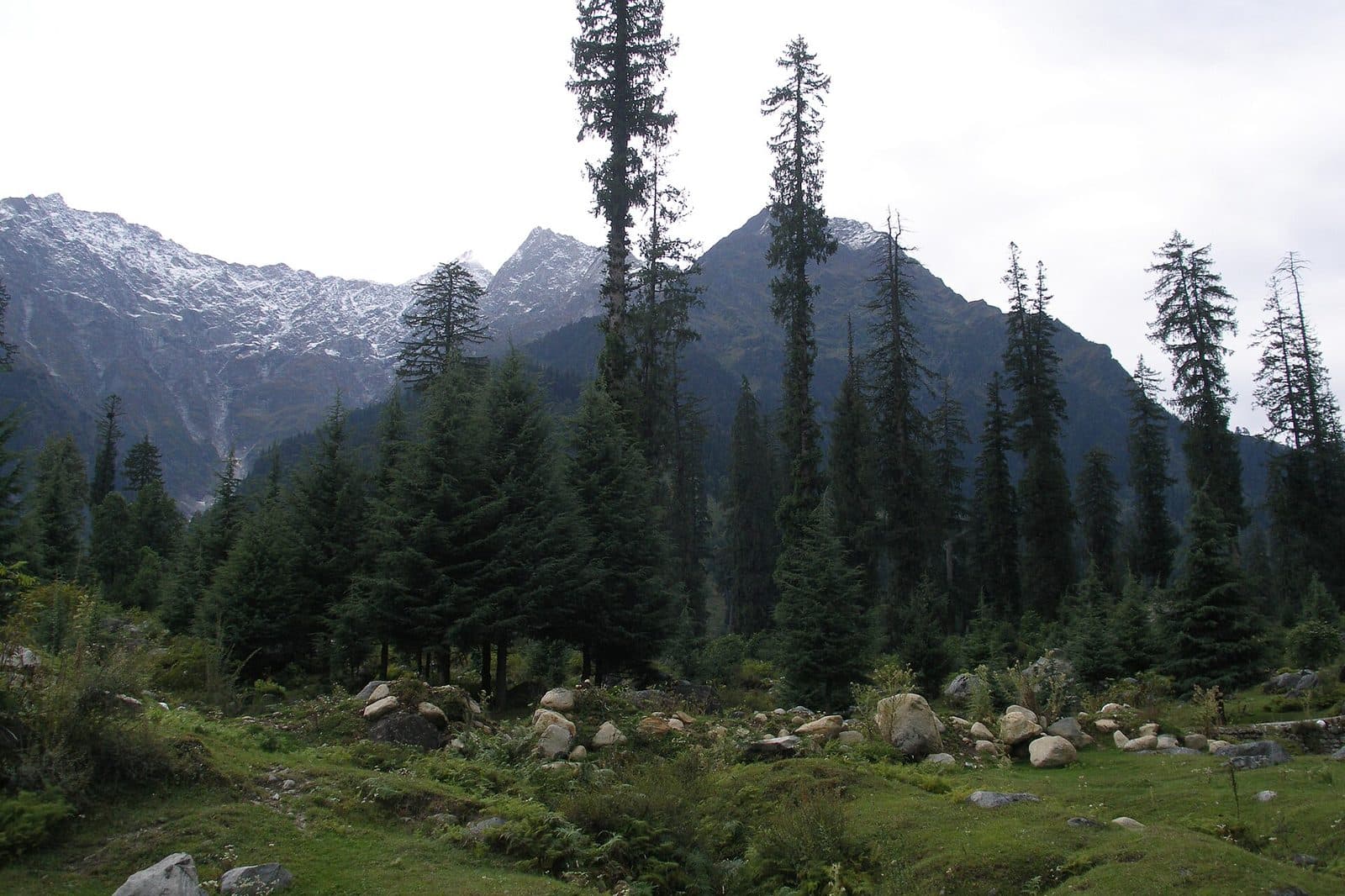
Then Lama Dugh. The path climbs from behind Hadimba's cedar grove and does not negotiate, three hours of deodar switchbacks, and delivers you onto a meadow at three thousand metres where the Dhauladhar stands across the sky and the grass moves in long silver combs.
We lay down. That is the activity. A shepherd's horses grazed through camp like large calm opinions.
On the way down we passed a woman climbing with a full basket of firewood, twice our age, half our fuss, and she smiled at our trekking poles with an amusement I am still recovering from.
Local truth: these meadows are hay banks and grazing rooms, the town's old economy still running above its new one. Walk the edges of uncut grass in late summer; someone's winter cattle feed is standing in it.
April to June, September to November. Every walk here ends with a warm room and food, which is a legitimate style of Himalaya, whatever the summit people say.
The mountains do not always ask for your suffering. Sometimes they just ask for your afternoon.
Practical Information
Manali, by overnight bus from Delhi/Chandigarh or via Bhuntar airport. Start every walk on foot from town: through Old Manali for the village lanes, past the Hadimba forest for Lama Dugh, or the Solang road for the western meadows.
Questions Yatris Ask
Related Chapters


“Lie down in high grass once a year. It resets the instrument.”
Walk this chapter with awareness
Upper Beas meadows is a living landscape of villages, shrines, forests, and weather that turns quickly. Move softly, ask before you photograph faces or temples, support local homes, and carry back everything you carry in. The mountain remembers a respectful guest.
Read the Yatri CodeThe Himalayas are not asking to be visited.They ask to be understood.
Learn the trail, its people, and its silences before you set out, then walk this chapter with awareness.