

Saroa to Kamrunag Lake
From village slopes to a lake of oaths, the path feels like memory carried well.
A ridge-walk that brings vows to a high keeper.
The Journey
There are two roads to a god: the busy one, and the one the forest keeps for itself.
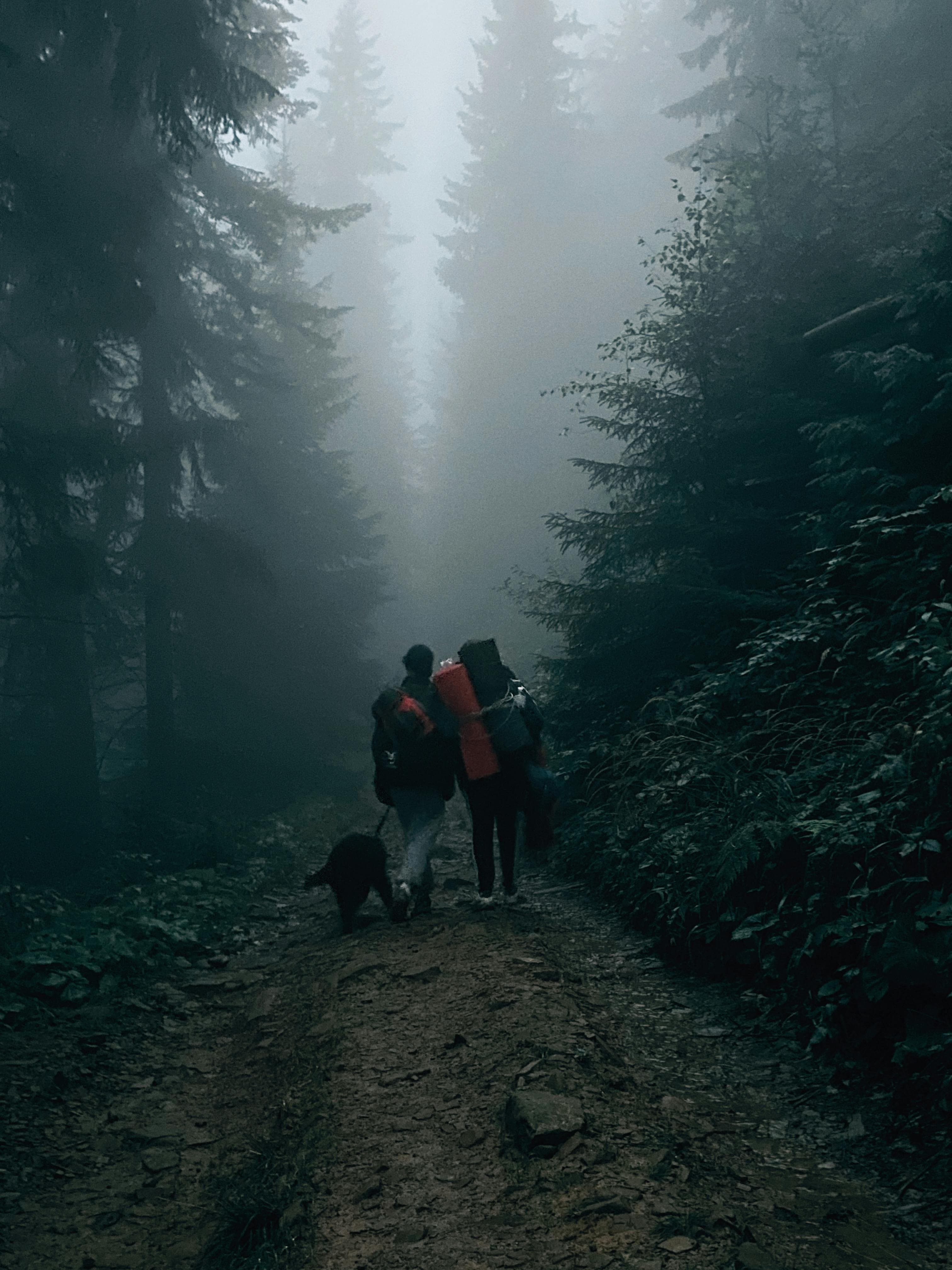
We took the second. From Saroa the path leaves the fields almost apologetically, slips between two houses, and then the oak closes over you like water over a stone.
For four hours we met exactly three people: two shepherd brothers arguing pleasantly about a dog, and a woman carrying grass who asked if we had eaten. Not who we were. Whether we had eaten.
The forest here does not perform. Langurs crash somewhere out of sight, a whistling thrush practises one phrase all morning, and the trail keeps braiding into cattle paths so that you must pay attention, which is the fee this route charges instead of crowds.
When the lake finally appears through the trees, it arrives sideways, without announcement. After the long green tunnel, the open sky over the water feels almost too loud.
Local truth: ask in Saroa for someone to walk with you. Not because it is dangerous, but because the path's stories live in people, not signboards, and a day's wage means something here.
Go in May or October, start early, carry water, and let the Rohanda pilgrims have their route. This one is for walkers who like their temples to be earned slowly.
The short way shows you the lake. The long way shows you why it matters.
Practical Information
Reach Mandi, then drive toward Chail Chowk and on to Saroa village (about 1.5–2 hours). The trail leaves the road near the village and climbs through terraced fields into forest. A local walking companion is easy to arrange in Saroa and worth it: the path braids with cattle trails in places.
Questions Yatris Ask


“Some paths are not shortcuts to a place, but the place itself.”
Walk this chapter with awareness
Mandi District is a living landscape of villages, shrines, forests, and weather that turns quickly. Move softly, ask before you photograph faces or temples, support local homes, and carry back everything you carry in. The mountain remembers a respectful guest.
Read the Yatri CodeThe Himalayas are not asking to be visited.They ask to be understood.
Learn the trail, its people, and its silences before you set out, then walk this chapter with awareness.