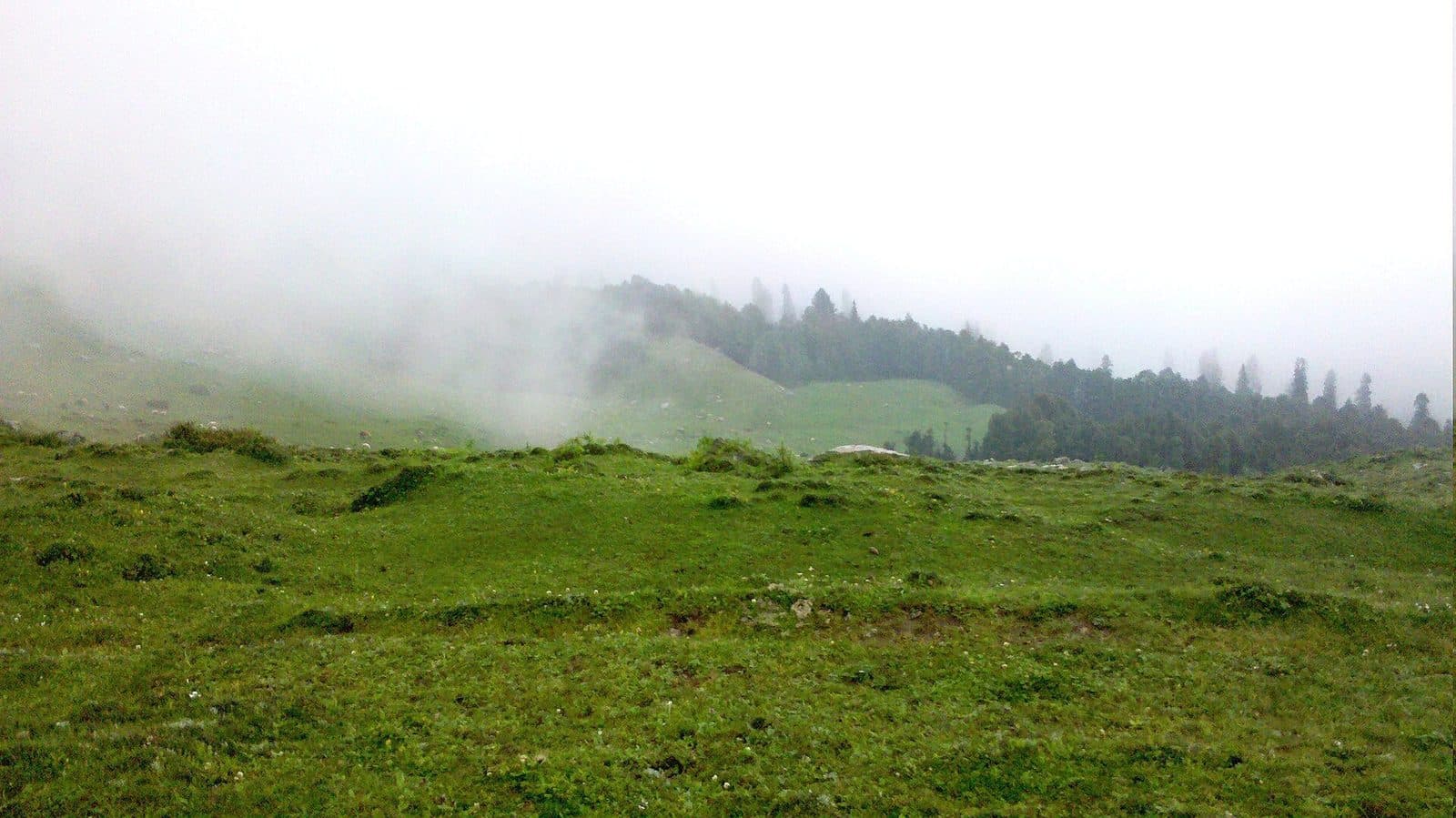
The reason I couldn't enjoy mountains was never my fitness. It was my watch.
For nine years I ran marathons and measured everything: pace, splits, cadence, recovery scores. Then my left knee filed for early retirement, and my doctor, who is wiser than his waiting room suggests, said, "Walk. Somewhere with a reason. Not for a time."
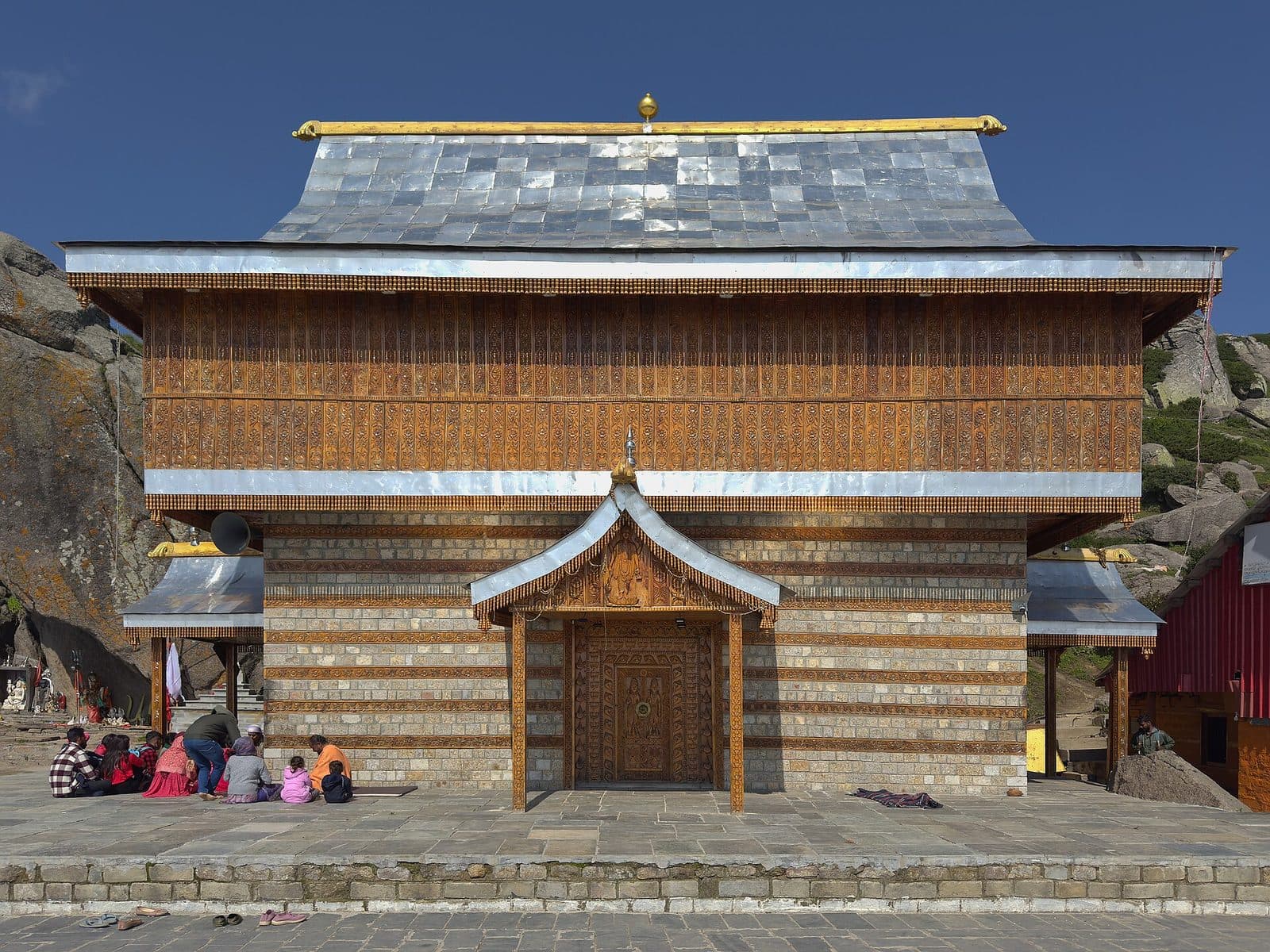
Churdhar is eighteen kilometres of reason, round trip. The highest point of the outer Himalaya, and on its summit a shrine to Shirgul Maharaj where pilgrims have been arriving out of breath for centuries without one of them recording a personal best.
The trail from Nohradhar sorted me out early. Grandmothers in slippers passed me on the switchbacks. Not fast; they never went fast. They went even. A family climbing in vows shared their parathas with me at Jamnala, and when I told them my knee's biography the eldest woman said the mountain's line back to me: "Devta ke ghar jaldi kya." What's the hurry to God's house.
The boulder field before the summit is the great equalizer. No stride works. You place hands and feet where a thousand years of pilgrims wore the rock pale, and the mountain sets your cadence for you, one hold at a time, and my watch, for the first time in nine years, had nothing useful to say.
On top the shrine's bell hangs in wind that comes all the way from the snow line. I rang it once, the way you're meant to: to announce yourself, not your timing. The sound went out over Sirmaur and did not come back. Some efforts are not round trips.
I sat by the temple for an hour, knee throbbing in a friendly way, watching pilgrims arrive. Every single one touched the bell. Nobody checked how long the climb had taken. The data was the arrival.
Go in June or after the rains, sleep at Teesri, and climb the boulders at first light. Leave the watch on airplane mode. The mountain keeps time in bells.