Before Manali, winter: my life was a group project everyone had opinions on. I had left engineering in the third year, and at every dinner some uncle performed the same audit. "What now?" As if a person is a quarterly report.
After Manali, winter: I still don't have the answer. But I no longer flinch at the question, and I can split wood in four strokes, and those two facts are related.
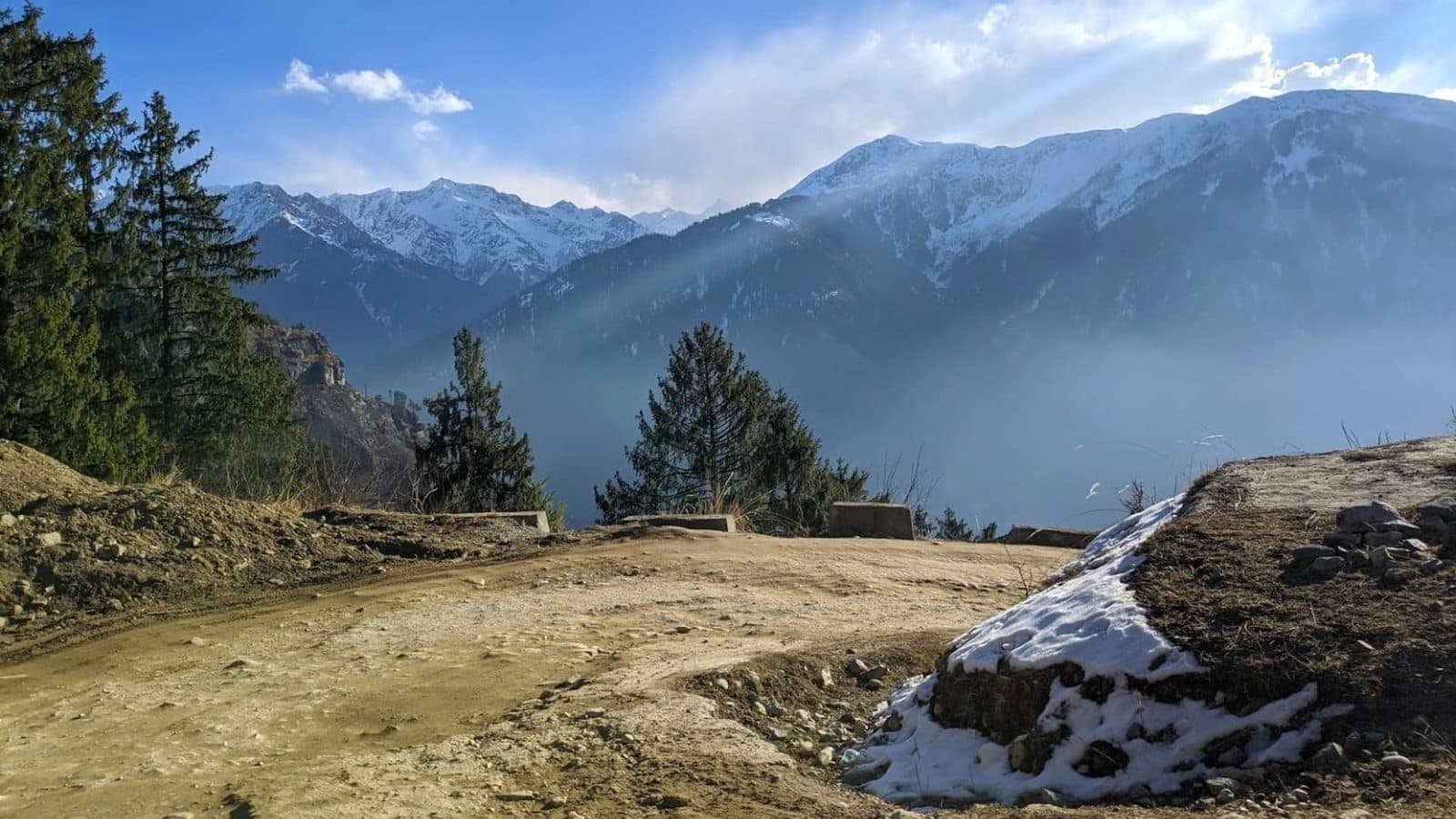
I took the December bus up because a hostel needed winter help and I needed to be where nobody knew my backlog count. The town they advertise, the one with the cafés, closes in deep winter. What remains is the actual town: woodsmoke, ice on the lane by 4 p.m., old men playing cards in shop doorways, apples in storage sheds breathing their sweet cellar smell.
My job was tea, snow-shovelling, and the stove. The bukhari is a small iron god and it must be fed correctly: dry cedar splinters first, then the honest logs. Feed it wrong and you sit in cold smoke, feed it right and the whole room turns amber. There is no shortcut. Uncle-proof, that stove.
On the solstice, the family downstairs called me for dinner because it was "the long night" and long nights are not for sitting alone. Siddu, ghee, a fire, a grandmother telling a story about the year the snow reached the first-floor windows. Nobody asked what I was doing with my life. They asked if I wanted more, and I did, and that was the whole interview.
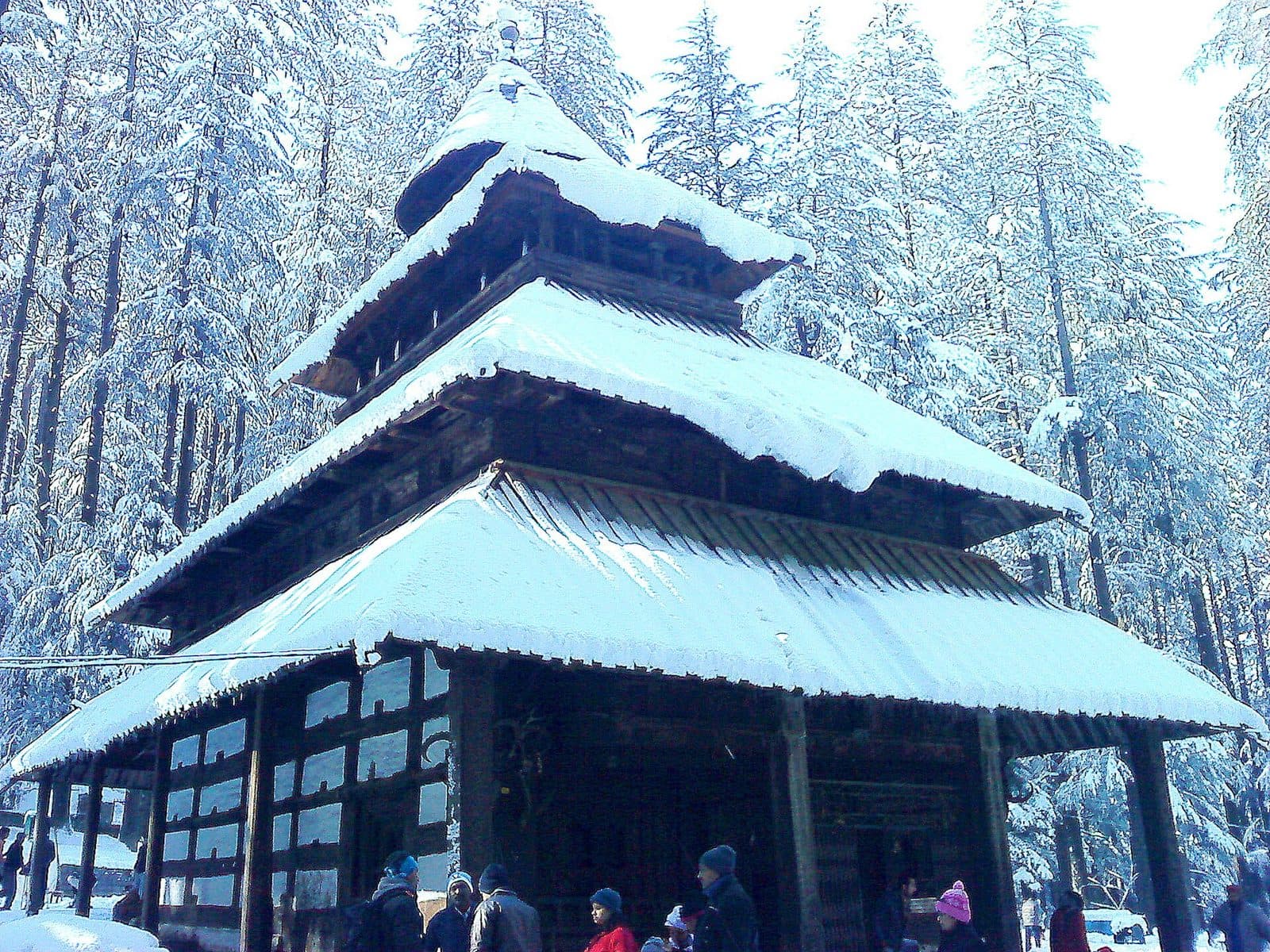
Hadimba's cedar grove after fresh snowfall became my church. First footprints, crow prints, silence with actual texture to it. You stand under six-hundred-year-old deodar wearing snow like grandfather shawls and your unanswered questions just stand there with you, quiet for once, breathing white.
I came down in February with chapped hands and one sentence I trust: a life, like a stove, catches from small dry pieces, not from the big log everyone keeps asking about.
If your year has been all questions, go north in the empty season. Winter does not fix you. It just stops the interview.