That June an ear infection took sixty percent of my left ear, which for a location-sound recordist is like a surgeon losing a thumb. The doctor said weeks, maybe months. I couldn't work. I could barely mix a phone call.
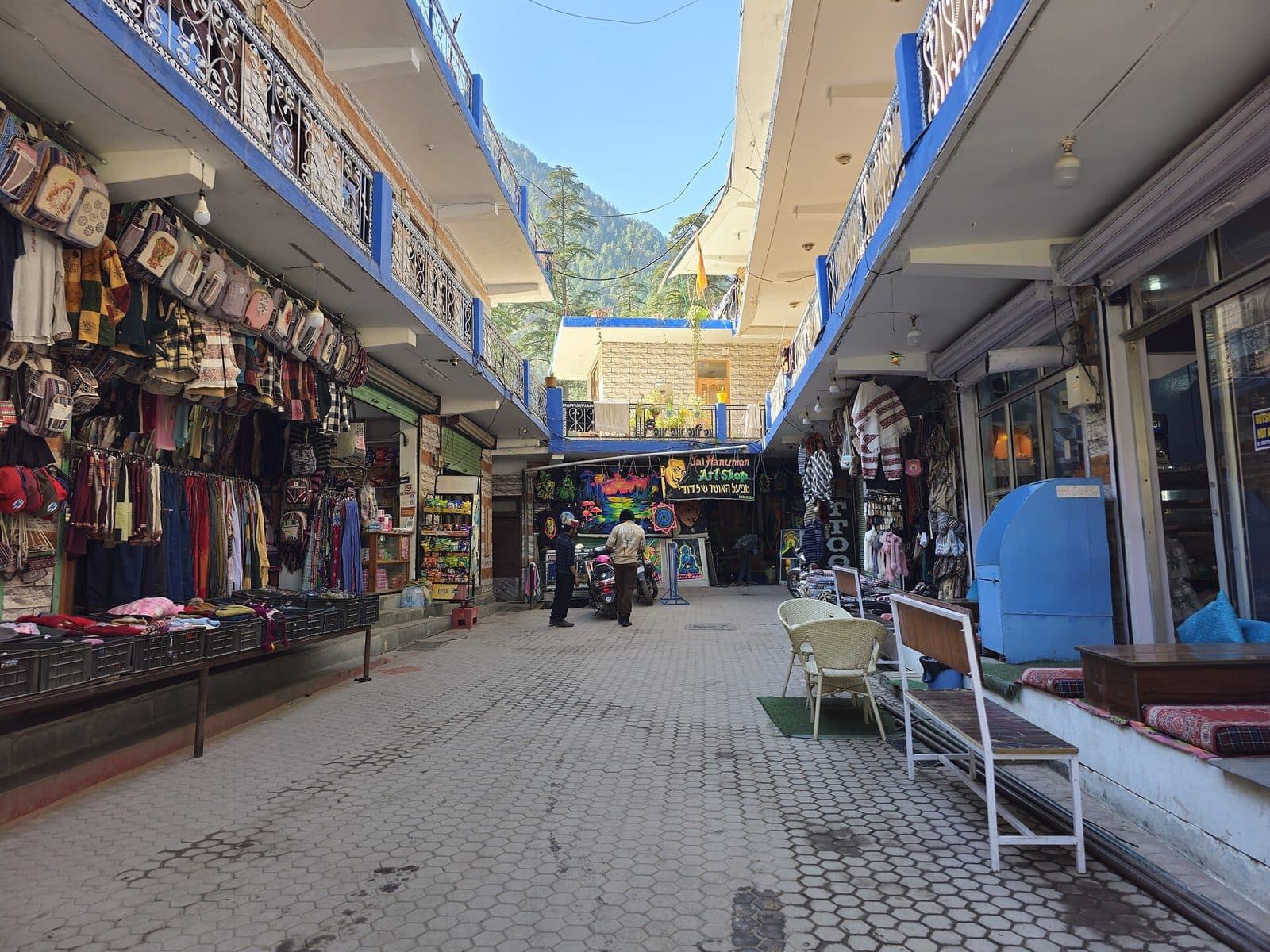
So I did the unprofessional thing: I went towards the loudest weather in the country. Monsoon, Seraj valley, a homestay above Banjar with a tin roof, which to a sound person is either torture or medicine, and I honestly did not know which I was booking.
The first storm arrived at 4 p.m. like a scheduled god. Rain on tin is white noise with a temper, thunder rolling valley to valley, each ridge answering the last one late, a natural delay line kilometres wide. I sat under that roof with my one good ear and, for the first time in fifteen years, no recorder running. Broken gear, broken engineer. Just listening.
Then, underneath the thunder, a drum.
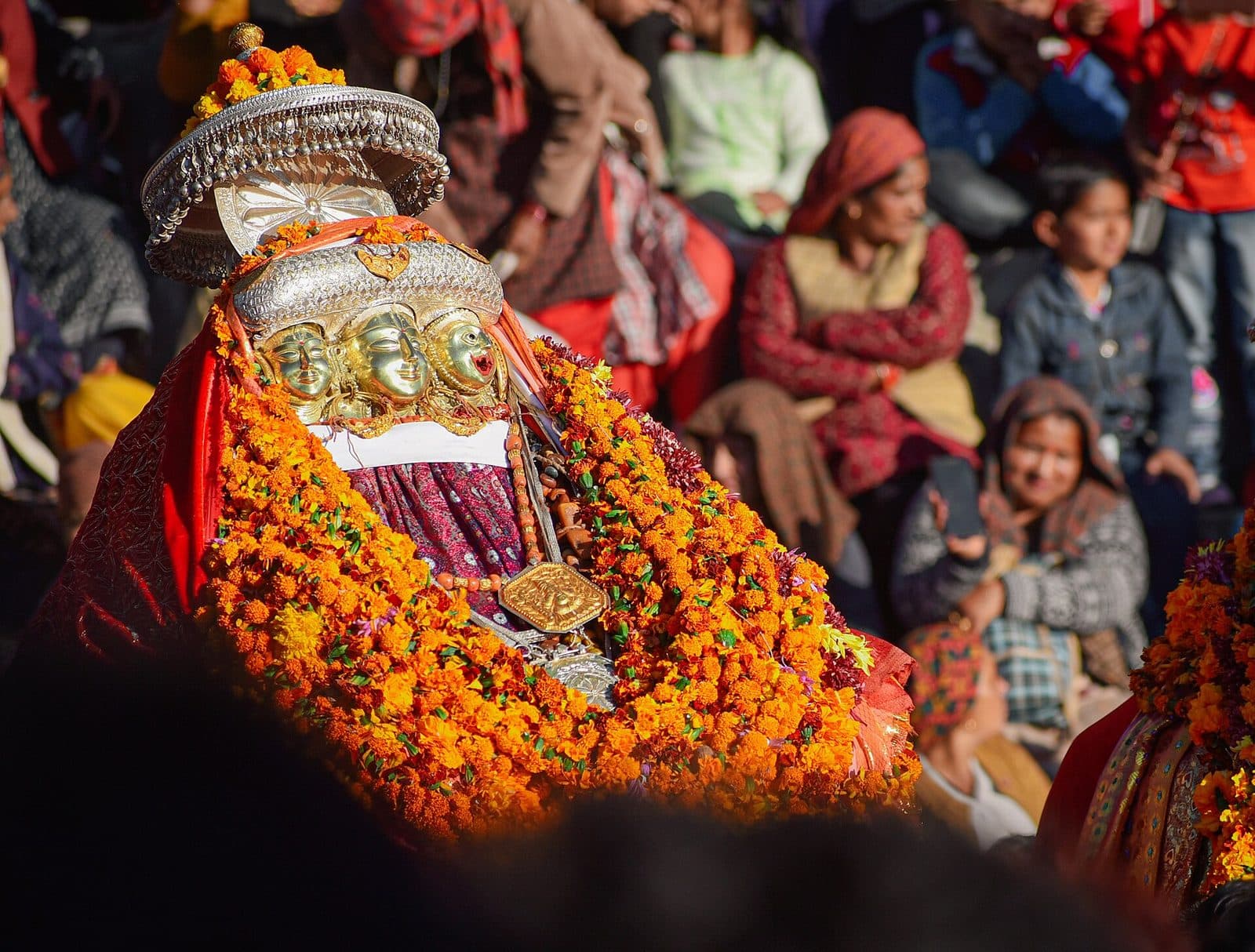
The deodar temple above the village was answering the storm. Dhol and narsingha, that long copper horn, cutting through rain the way a lighthouse cuts fog. My host's son saw my face and explained, casual as a weather report: when the storm is heavy, the devta's musicians play. The valley talks back.
I have recorded orchestras in Budapest. I have never heard a conversation like that one: sky in bass, bronze and hide answering from inside the trees, and between the phrases, rain keeping ostinato on a hundred tin roofs. My left ear caught maybe half of it. My sternum caught the rest. That's the part no recorder has ever captured anyway, the part that arrives through bone.
I stayed two weeks. I learned the valley's daily mix: morning bells small and domestic, conch at aarti, the drum grammar that calls a village versus the one that only celebrates. I asked before entering every courtyard, and where the answer was no, the listening from outside the wall was somehow better.
My ear came back in August. The recordings I didn't make that month are the clearest ones I have.