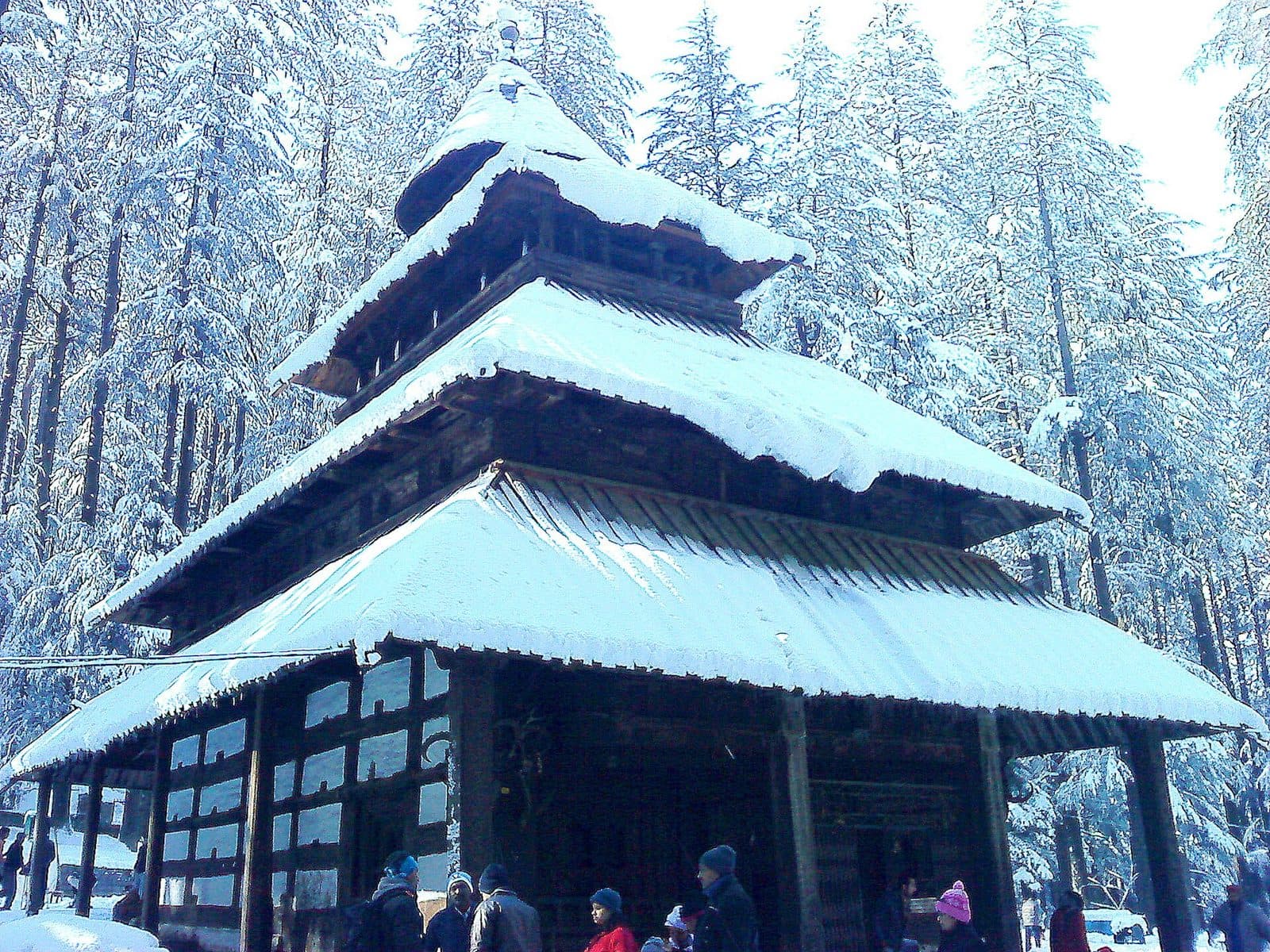
My grandmother swept a shrine no map ever recorded, every morning, for fifty years. When she died in February, the shrine got locked into a family WhatsApp dispute along with the house, and I did not go home for the rituals. I told everyone it was a project deadline. It was cowardice.
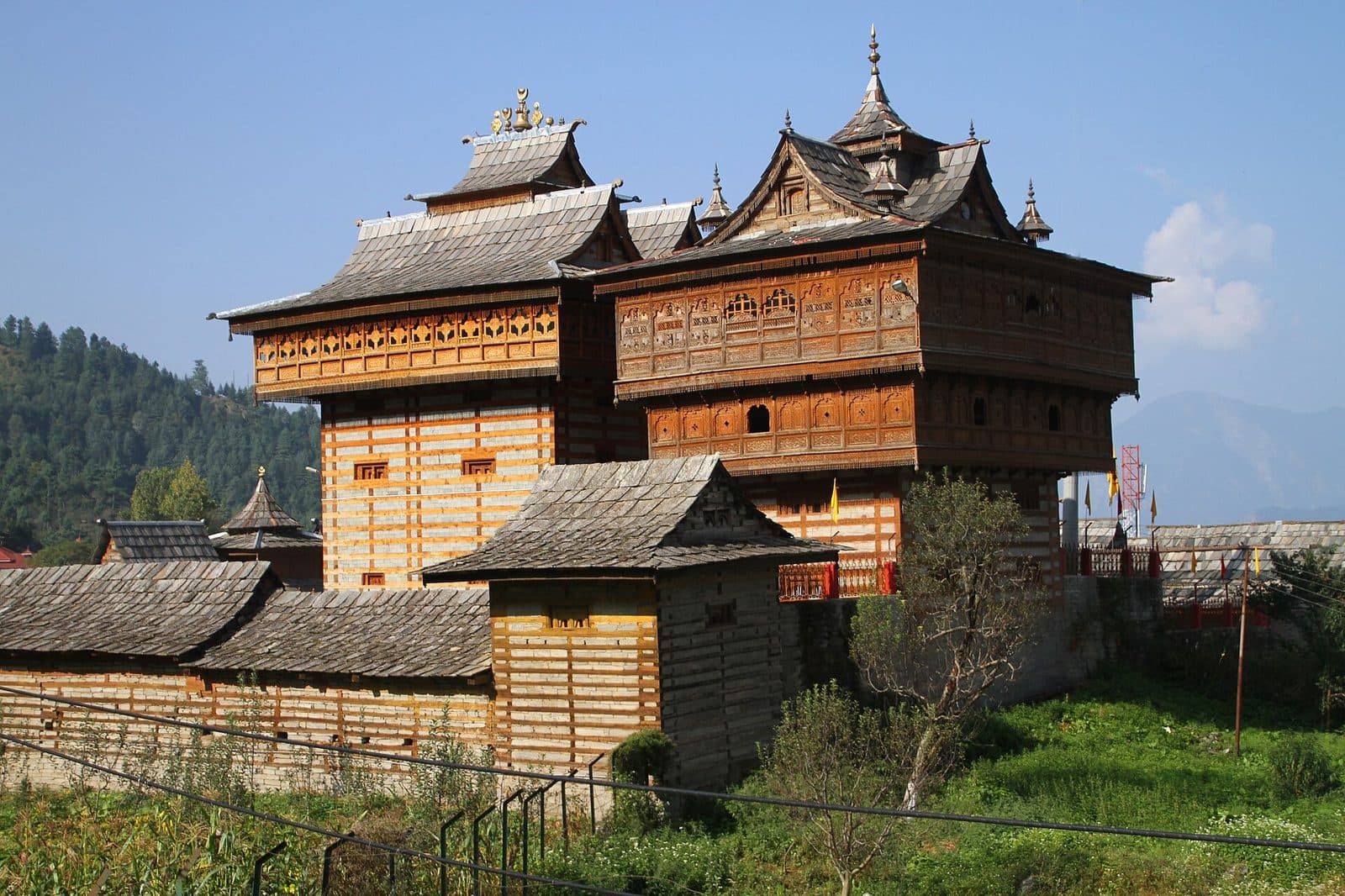
In May I stood in front of Bhimakali at Sarahan, the great tower temple with its silver doors, and did everything correctly. Shoes, hands, eyes. And I felt nothing except the crowd.
An apple farmer saw me standing empty and pointed up the hill. "Upar wale se milke aao," he said. Go meet the one above.
The path climbed through orchards to a cedar cell the size of a bus stop. A spring ran through a stone spout beside it. Threads on the tree, a hundred of them, faded to the colour of old promises. And on the threshold: fresh marigolds, one day old, and sweep-marks in the dust.
Sweep-marks. Somebody's grandmother still climbs here.
I am an architect. I measure things for a living, and I can tell you the cell was barely two metres of dry stone. I can also tell you it held more than the tower below. Not because the god was bigger. Because the tending was visible. Faith you can see the housework of is a different substance entirely.
I sat on the threshold's edge for an hour. I told the small god about my grandmother, in Hindi, feeling foolish for two minutes and then not. I left a coin where coins clearly gathered, and I did not photograph the sanctum, and both choices felt like the first correct rituals I had performed all year.
If you go: read the signs before your feet decide. Fresh oil means live worship. Ask in the bazaar whose family keeps the shrine, and if an old woman is sweeping when you arrive, sit down and wait. You are watching the whole religion, the real one, and it does not perform twice.