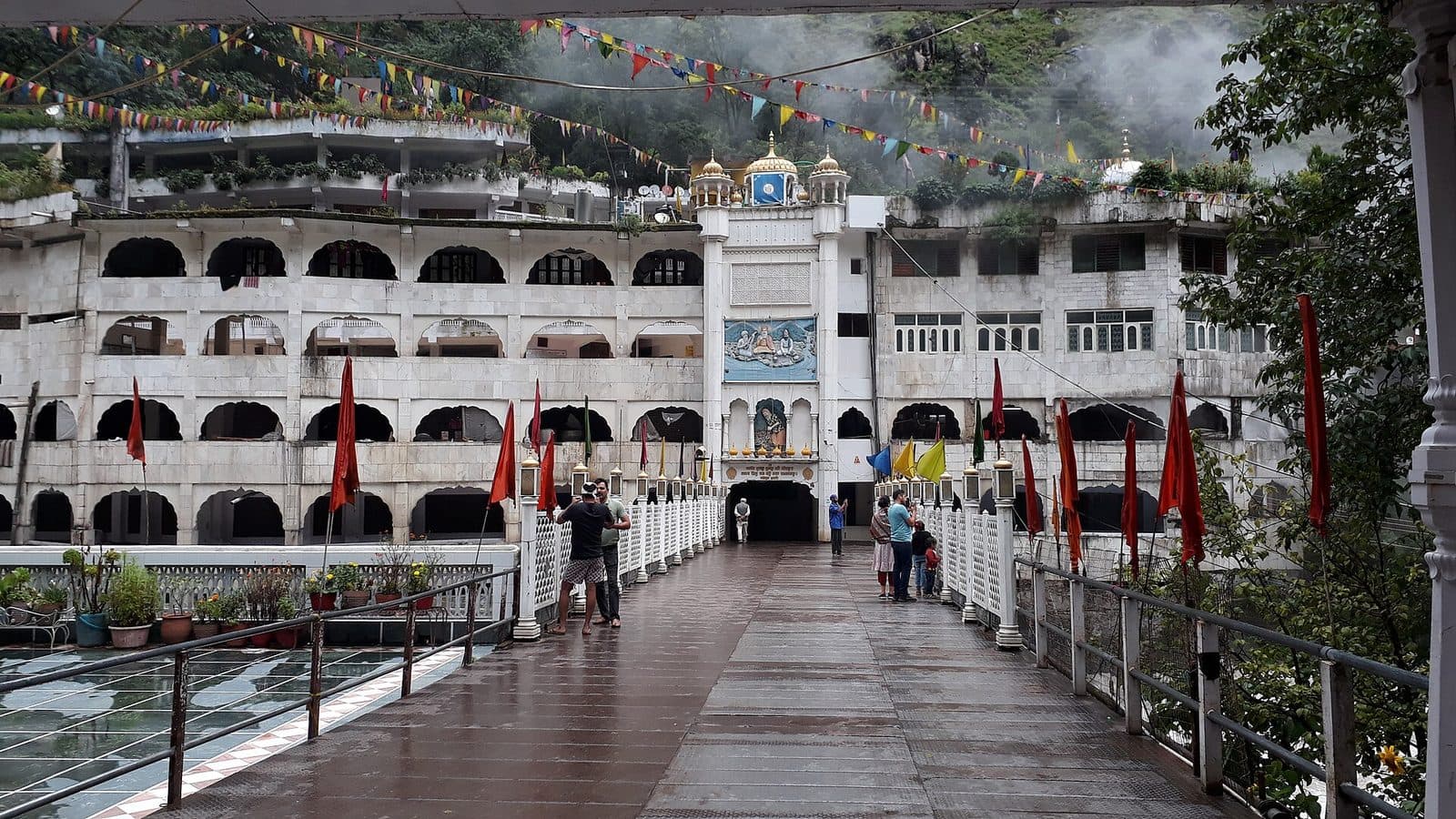
I am not Sikh, not particularly religious in any organised way, and I still sat down at the langar in Manikaran and was served dal and roti by volunteers who did not pause to ask any of that before filling my plate.
The hall was loud in the specific way a shared meal is loud, steel plates, quiet conversation, someone laughing two tables down. I had come mainly for the hot springs, curious about steam rising out of a cold valley, and I left thinking mostly about the meal.
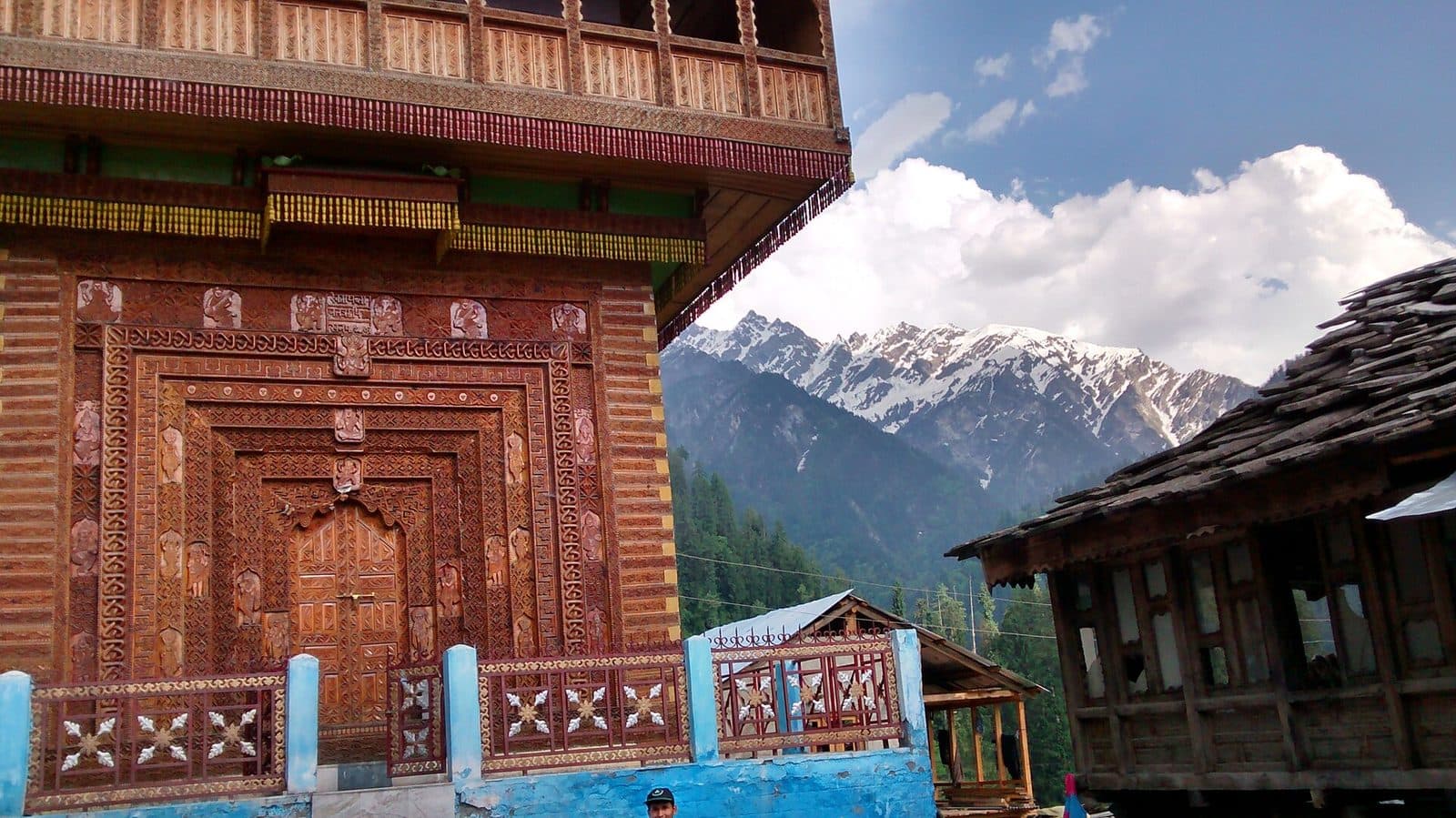
Outside, a short walk brought me to a Hindu temple with its own version of the story, Shiva, Parvati, a lost earring, a serpent sent to retrieve it. I did not feel like I was choosing between two explanations for the same place. It felt more like the place itself had simply decided, a very long time before I arrived, that it had room for both.
An older pilgrim near the springs told me, unprompted, that the hot water had helped an old injury of hers over the years. I do not know if that is medically true. I know she believed it fully, and that her belief did not require my agreement to matter to her.
I left Manikaran having learned less about hot springs than about a langar that fed a stranger without conditions attached. That felt like the more useful lesson.