
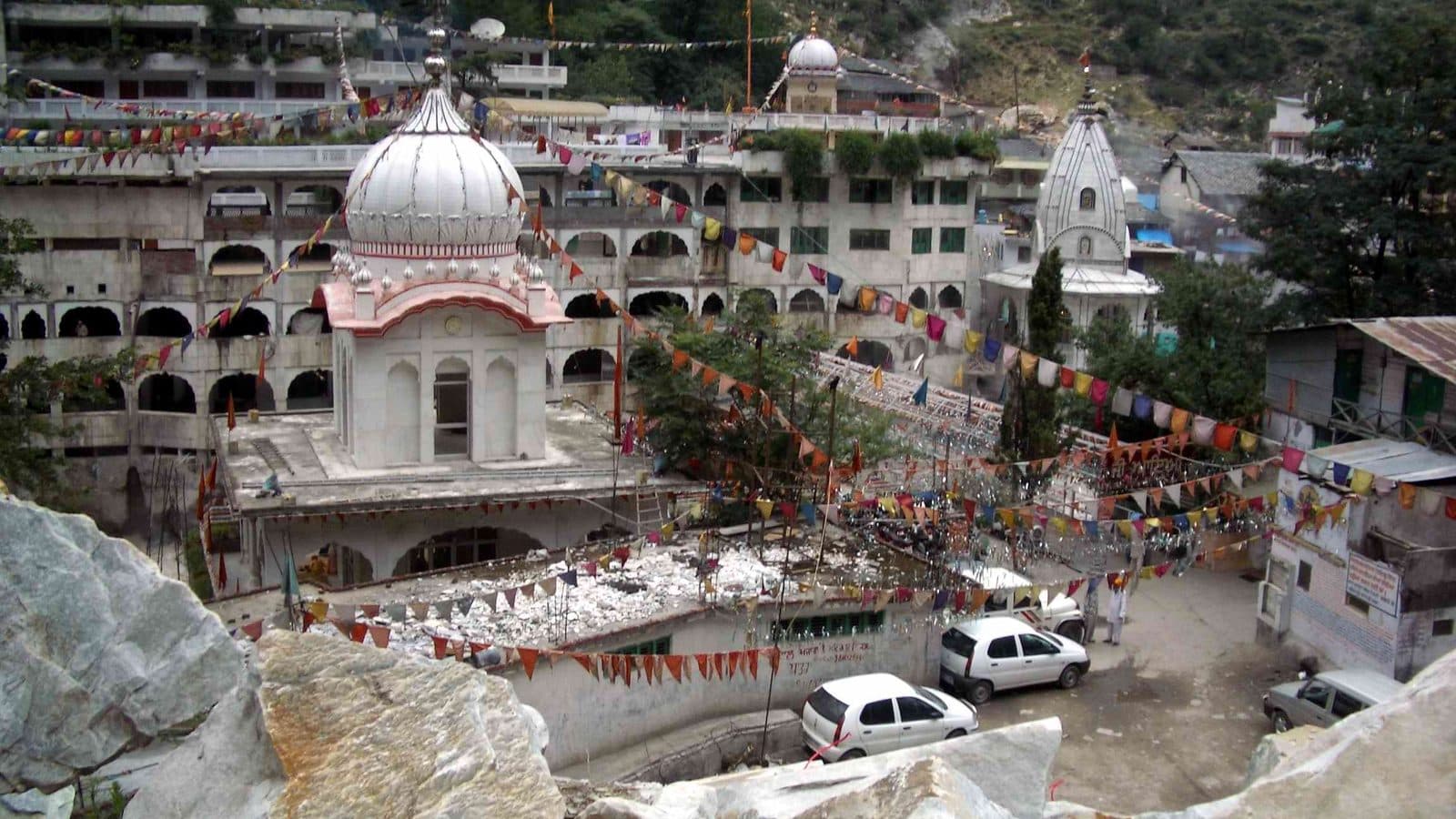
Manikaran: Hot Springs and Pilgrimage Traditions
Manikaran's hot springs draw Hindu and Sikh pilgrims. Government information records the site's geography and pilgrimage context; devotional accounts preserve distinct traditions about its meaning.
A pilgrimage place held in more than one tradition, without a single story replacing the others.
The Journey
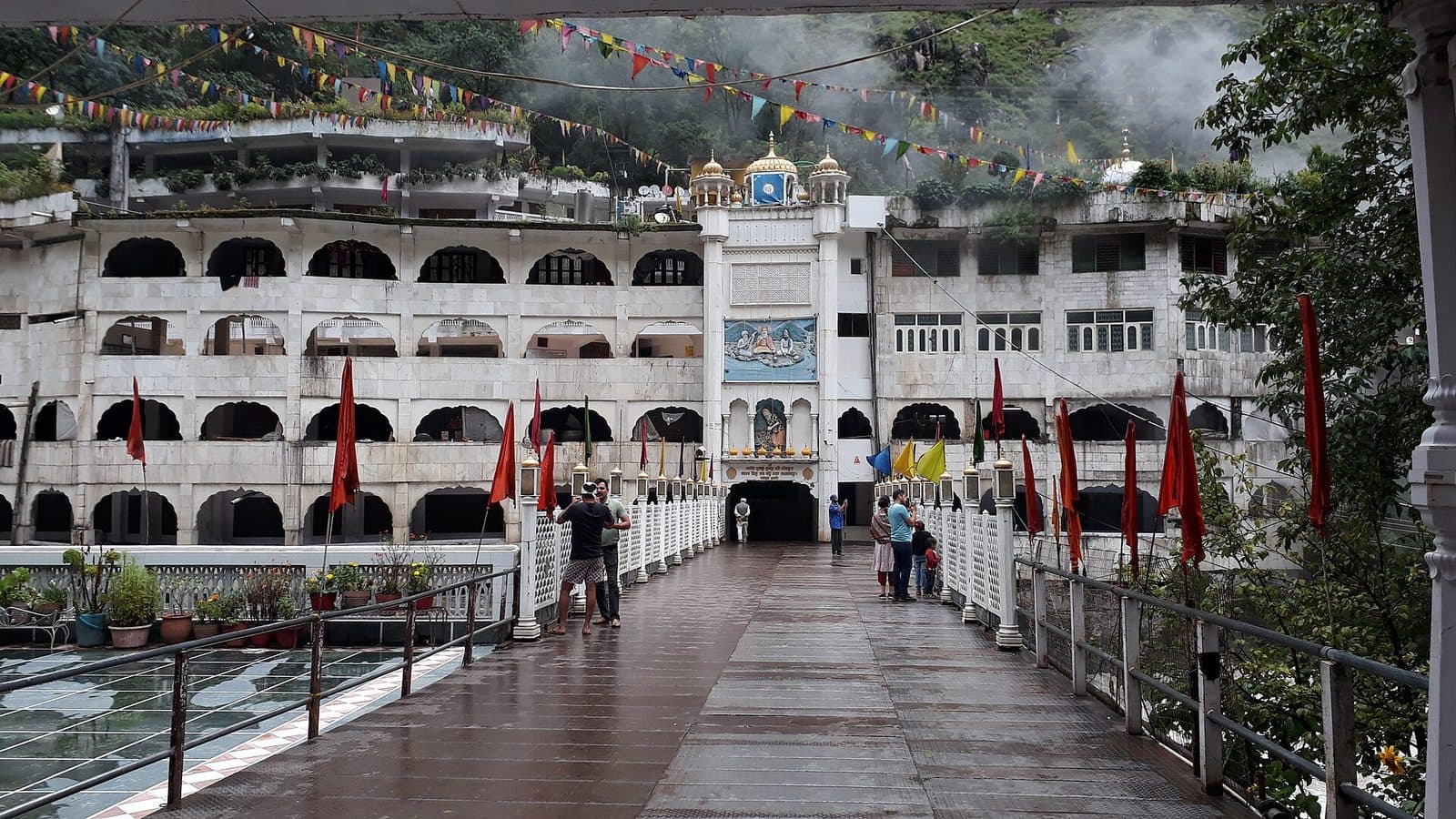
At Manikaran, heat rises from the ground beside the Parvati River. The district administration records the settlement's altitude as 1,829 metres and describes its hot springs as a reason pilgrims come here.[1] These are not background details: they are part of the place's physical identity and of the stories people bring to it.
The district account connects Manikaran with a Hindu legend involving Shiva and Parvati.[1] Sikh devotional retellings associate the place with Guru Nanak and Bhai Mardana, including a story about a spring revealed when food was needed.[2] These accounts belong to distinct religious traditions. Neither should be flattened into a shared origin story, or mistaken for evidence that settles the sacred events as historical fact.
A place can carry more than one pilgrimage history without those histories becoming interchangeable. What this chapter can establish is the documented geography and the district's description of Manikaran as significant to Hindu and Sikh pilgrims.[1] The detail of how each community understands that significance deserves careful, tradition-specific reporting.
Manikaran follows Kasol in this book, but not as a stop on a prescribed itinerary. It opens another way of reading the valley: through the places that matter for reasons other than the routes that pass them.
Current visit information
This chapter does not verify current transport, access, bathing or site rules. Confirm practical arrangements with the relevant local authorities or site managers before travelling. Follow posted guidance at places of worship and ask before photographing people or ceremonies.
Questions Yatris Ask
Related Chapters
Devta Trails of Parvati Valley: Walking as a Guest
A cultural reading of Parvati Valley, grounded in district sources and the limits of an outsider’s knowledge. Village traditions ask for attention before interpretation.
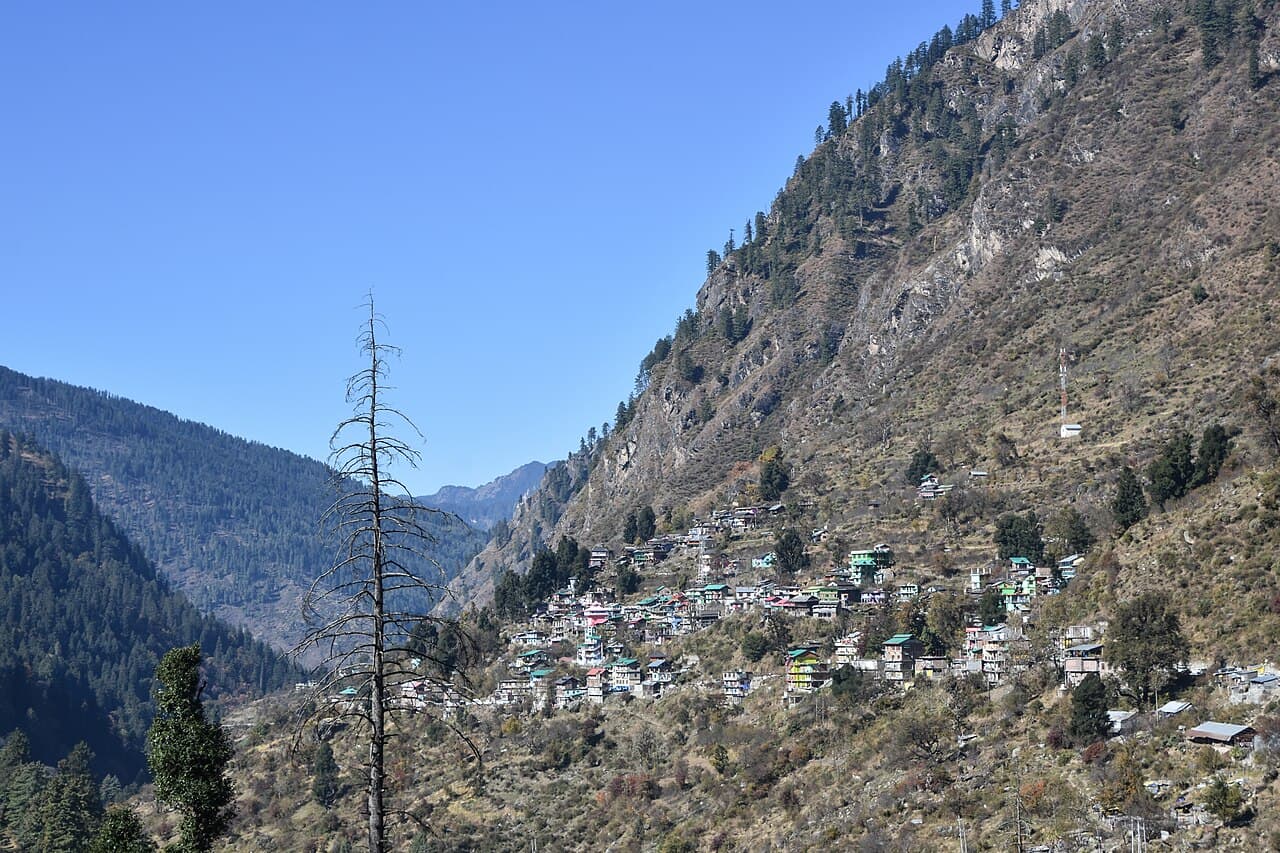
Barshaini: Where the Road Gives Way to the Valley
Barshaini is more than a transfer point. It is where the valley asks you to exchange the certainty of a road for the attention a village path deserves.
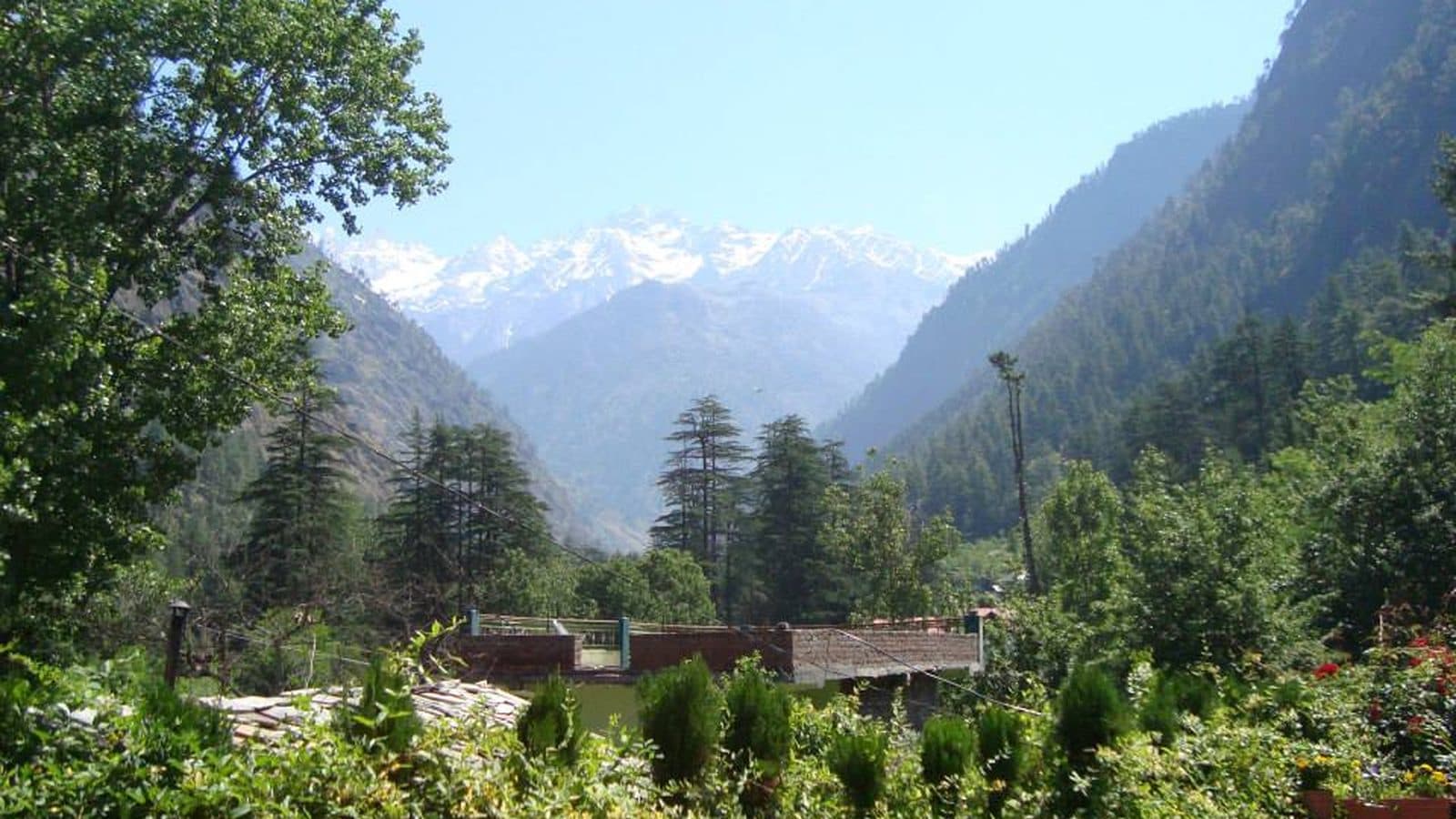
Kasol: A Gateway with Its Own History
Kasol became a familiar gateway to Parvati Valley through decades of travel and tourism. Its history is one chapter in a region of distinct places.
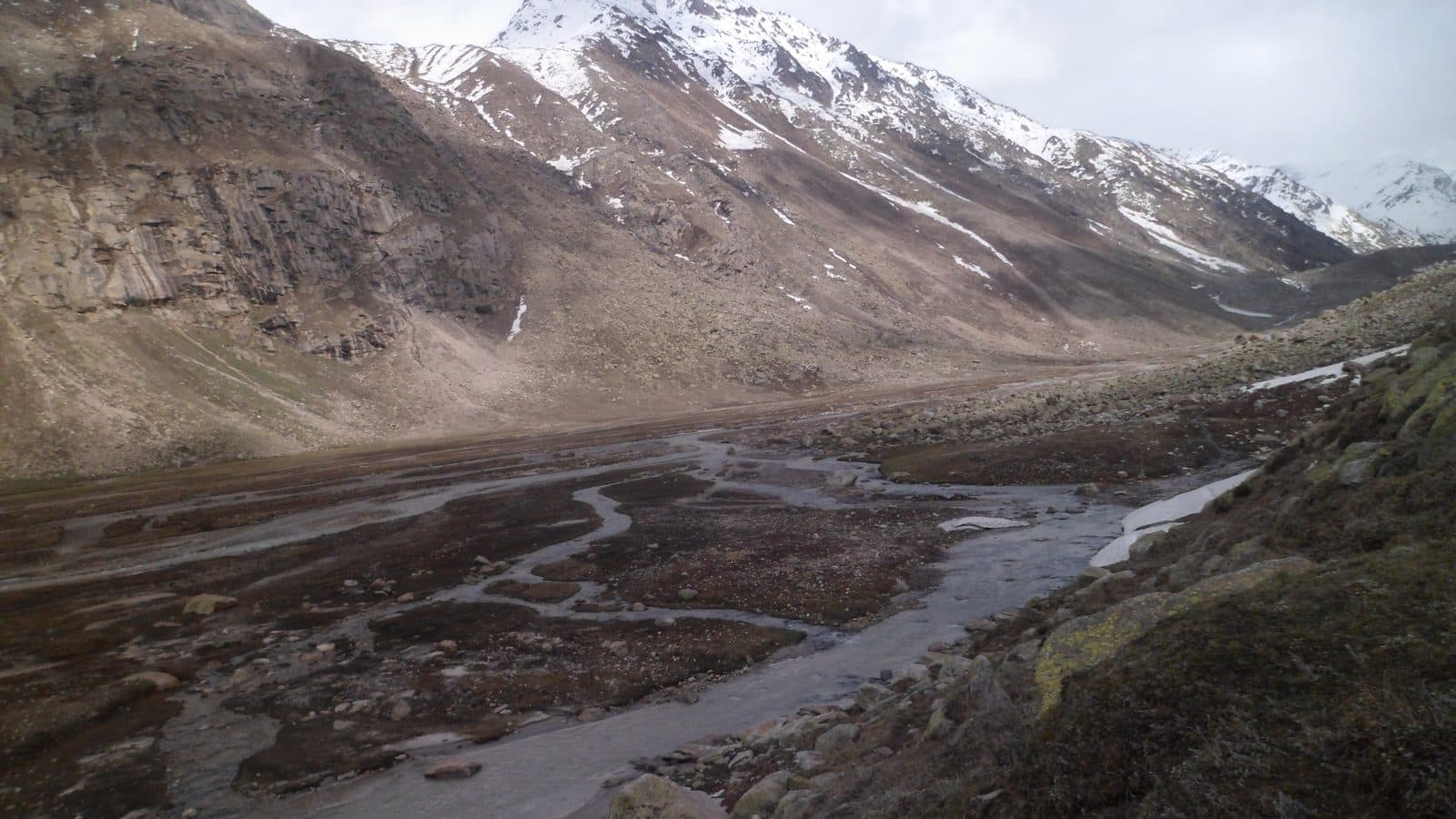
Mantalai Lake, Where the Parvati River Begins
Mantalai Lake sits far past Kheerganga, the source of the Parvati river and, in local tradition, the place where a much longer meditation than most stories admit actually took place.
Related Places
Devta Trails of Parvati Valley: Walking as a Guest
A cultural reading of Parvati Valley, grounded in district sources and the limits of an outsider’s knowledge. Village traditions ask for attention before interpretation.
Barshaini: Where the Road Gives Way to the Valley
Barshaini is more than a transfer point. It is where the valley asks you to exchange the certainty of a road for the attention a village path deserves.
Kasol: A Gateway with Its Own History
Kasol became a familiar gateway to Parvati Valley through decades of travel and tourism. Its history is one chapter in a region of distinct places.
Mantalai Lake, Where the Parvati River Begins
Mantalai Lake sits far past Kheerganga, the source of the Parvati river and, in local tradition, the place where a much longer meditation than most stories admit actually took place.
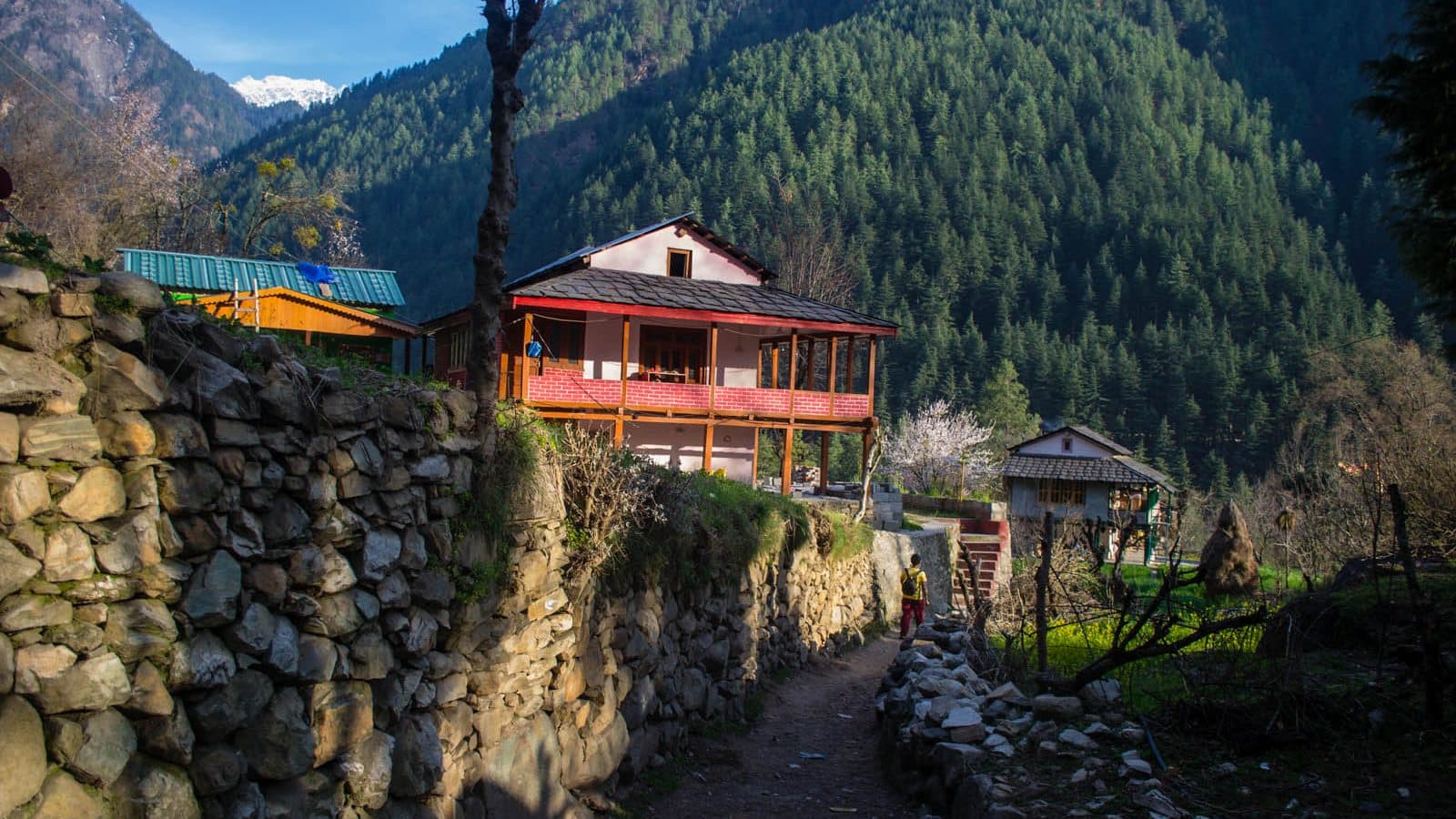
“The landscape is shared; the histories remain distinct.”
Photograph acknowledgements
John Hill / CC BY-SA 3.0 via Wikimedia Commons. Displayed with a responsive crop. Photograph source. Licence terms.
Walk this chapter with awareness
Manikaran, Parvati Valley is a living landscape of villages, shrines, forests, and weather that turns quickly. Move softly, ask before you photograph faces or temples, support local homes, and carry back everything you carry in. The mountain remembers a respectful guest.
Read the Yatri CodeThe Himalayas are not asking to be visited.They ask to be understood.
Learn the trail, its people, and its silences before you set out, then walk this chapter with awareness.