
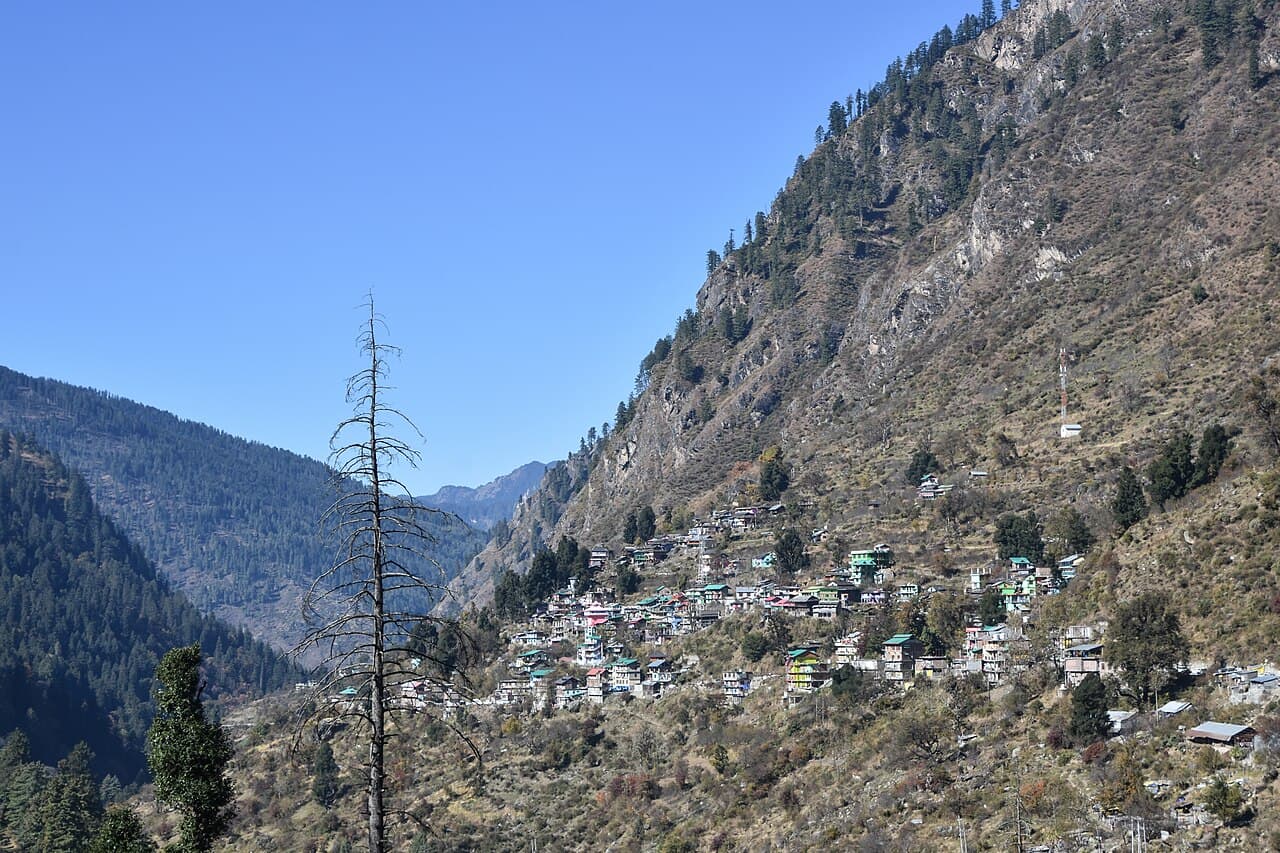
Barshaini: Where the Road Gives Way to the Valley
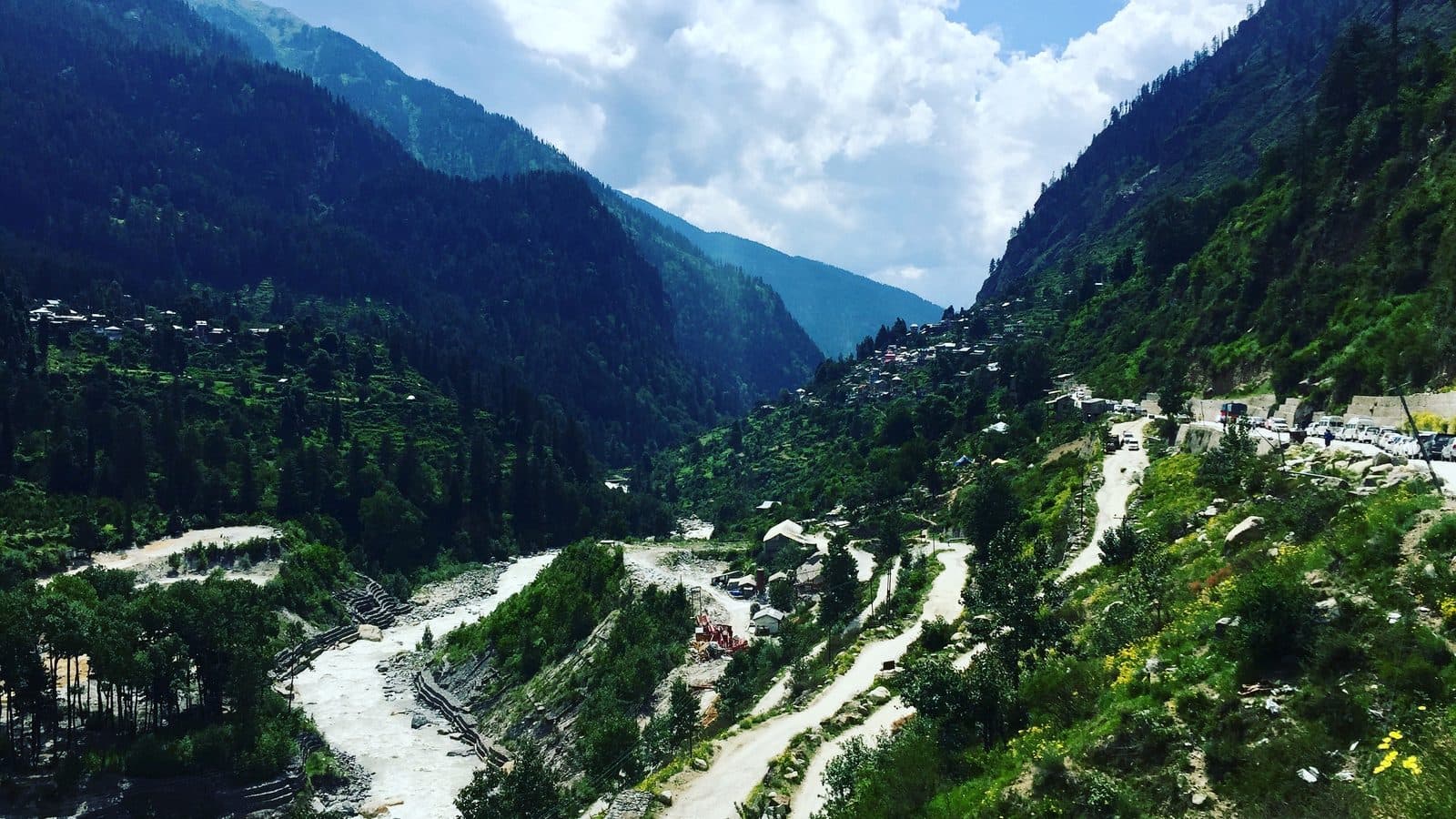
Barshaini is more than a transfer point. It is where the valley asks you to exchange the certainty of a road for the attention a village path deserves.
Photo: Timothy A. Gonsalves / CC BY-SA 4.0; Wikimedia Commons thumbnail, displayed cropped
Before choosing a trail, notice the place where you put your bag down.
The Journey
Put the bag down before deciding which way to go. There is a small freedom in arriving somewhere without immediately turning it into the next departure. Barshaini deserves that much: a pause long enough to recognise that the place where a traveller changes transport is also a place where someone else lives.
The village belongs to the upper road corridor of Parvati Valley, beyond Manikaran. For readers approaching from Kasol, it helps organise several names that are often bundled together: Tosh, Kalga, Pulga and Tulga. They are distinct places. Choosing one means choosing a particular approach, a host, and a rhythm for the next part of the journey.
The familiar phrase “last motorable point” needs care here. Himtrek describes vehicle transfers onwards from Barshaini towards Tosh. The roadhead is a useful meeting point, not a promise that every road stops at the same spot. Weather, repairs and the final approach to a particular house can change where driving ends and walking begins.
A roadhead tells a modest kind of history. It shows how a mountain journey is assembled: a vehicle can bring a bag only so far, and somebody must deal with the remaining distance. Thinking about that work changes the way a visitor looks at a meal, a room or a delivery. Convenience has a human cost even when it arrives without a separate line on the bill.
This is an editorial way of reading Barshaini, not an account of an interview with its residents. Its families do not owe a traveller a story. A useful first conversation is smaller: where is the agreed meeting point, which path is open, and will the host be expecting an arrival before dark? Listen to the answer rather than fitting it into yesterday's travel plan.
Do not try to collect all the neighbouring villages in one afternoon. Choose a base and leave enough daylight to find it without rushing. If a stay is described as being in Kalga or Pulga, ask for the walking approach to that exact property. A familiar village name on a booking screen is not a set of directions through unfamiliar ground.
There is also a return journey. Bikat's Sar Pass account brings walkers back down to Barshaini after Biskeri. A place that felt like the beginning can become the point where mountain days turn back into road hours. Leave room for that change. A tight onward connection can make the last descent feel like a deadline.
Travel responsibly by keeping entrances clear, asking before photographing people and taking wrappers back to a proper waste collection point. Stay away from river edges and restricted infrastructure. The roadhead is not an empty margin between the places worth seeing. It is part of the valley you came to understand.
Practical Information
Approach via Bhuntar, Kasol and Manikaran. Confirm the current road condition, drop-off and last walking section with your host. Vehicles may continue towards Tosh; do not rely on an absolute “last motorable point” label. Ask locally about current bus services rather than planning around an old timetable.
Questions Yatris Ask
Related Chapters
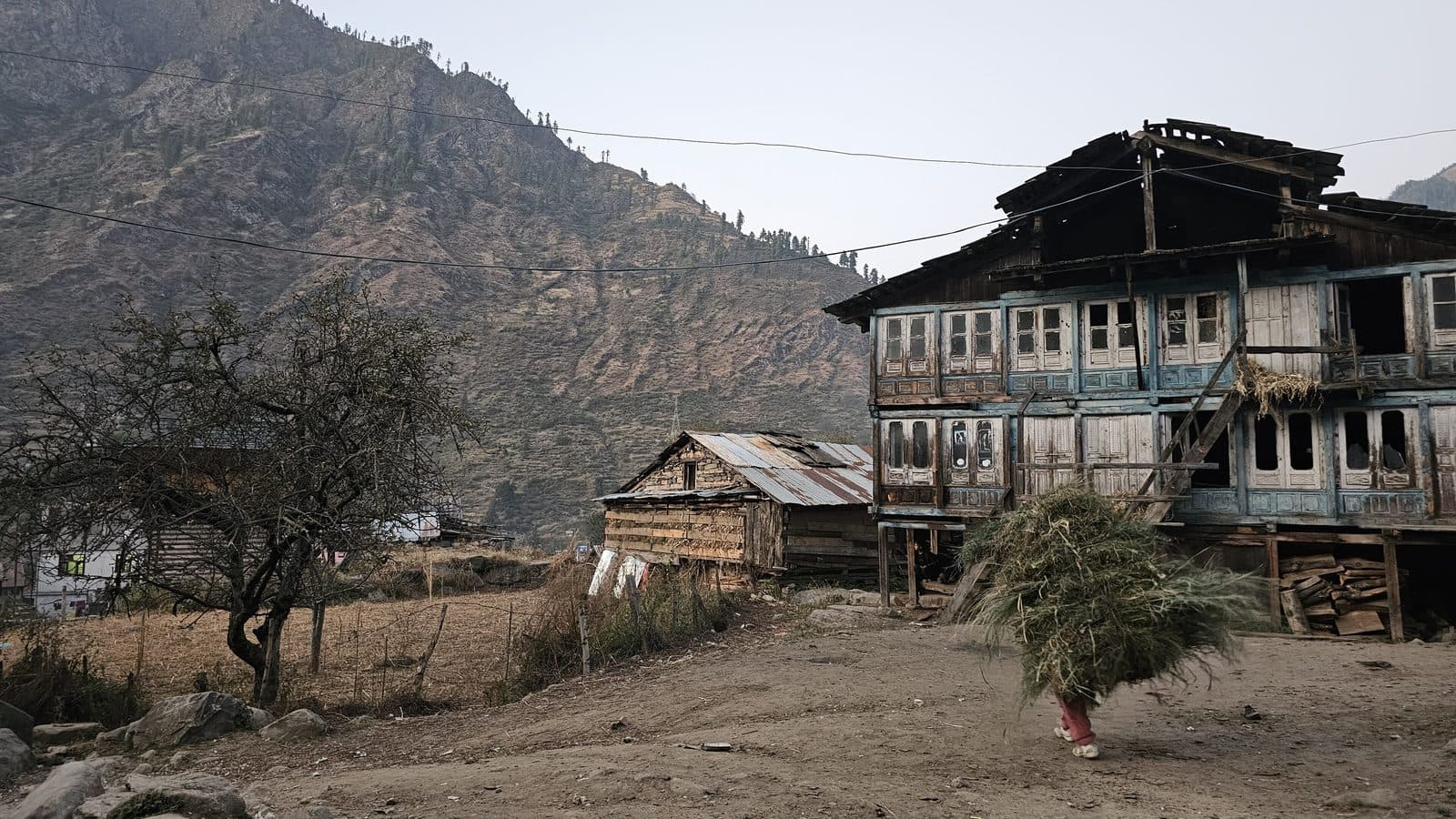
Tosh, The Village Above the Valley
Tosh is the last village the Parvati valley offers before the trails take over entirely. Its fame arrived faster than its infrastructure, and both facts matter to anyone visiting now.
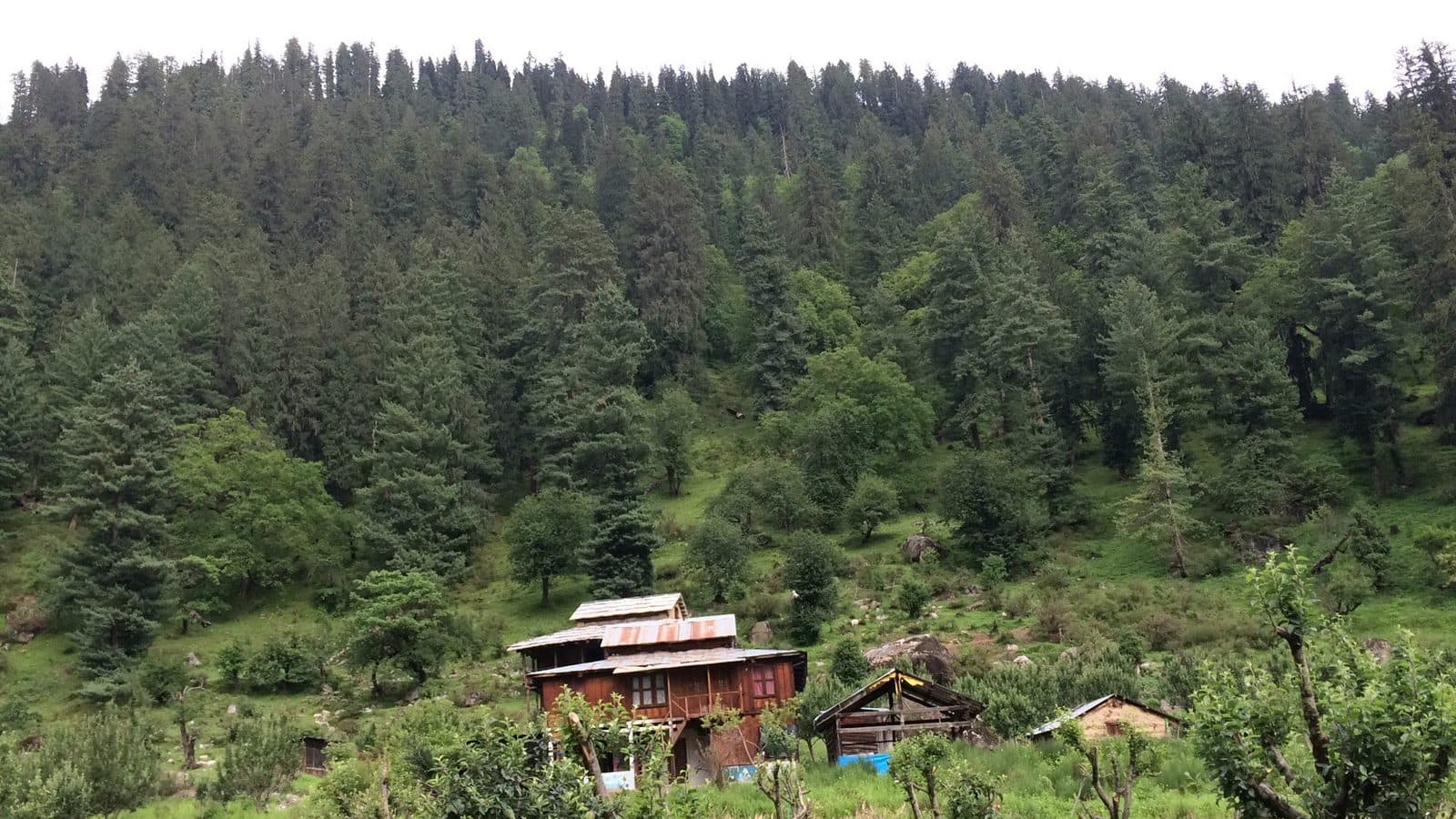
Kalga, Apple Orchards and Slow Mountain Life
No road reaches Kalga. That single fact organises everything else about it, from its economy to the pace at which travellers who arrive here tend to leave.
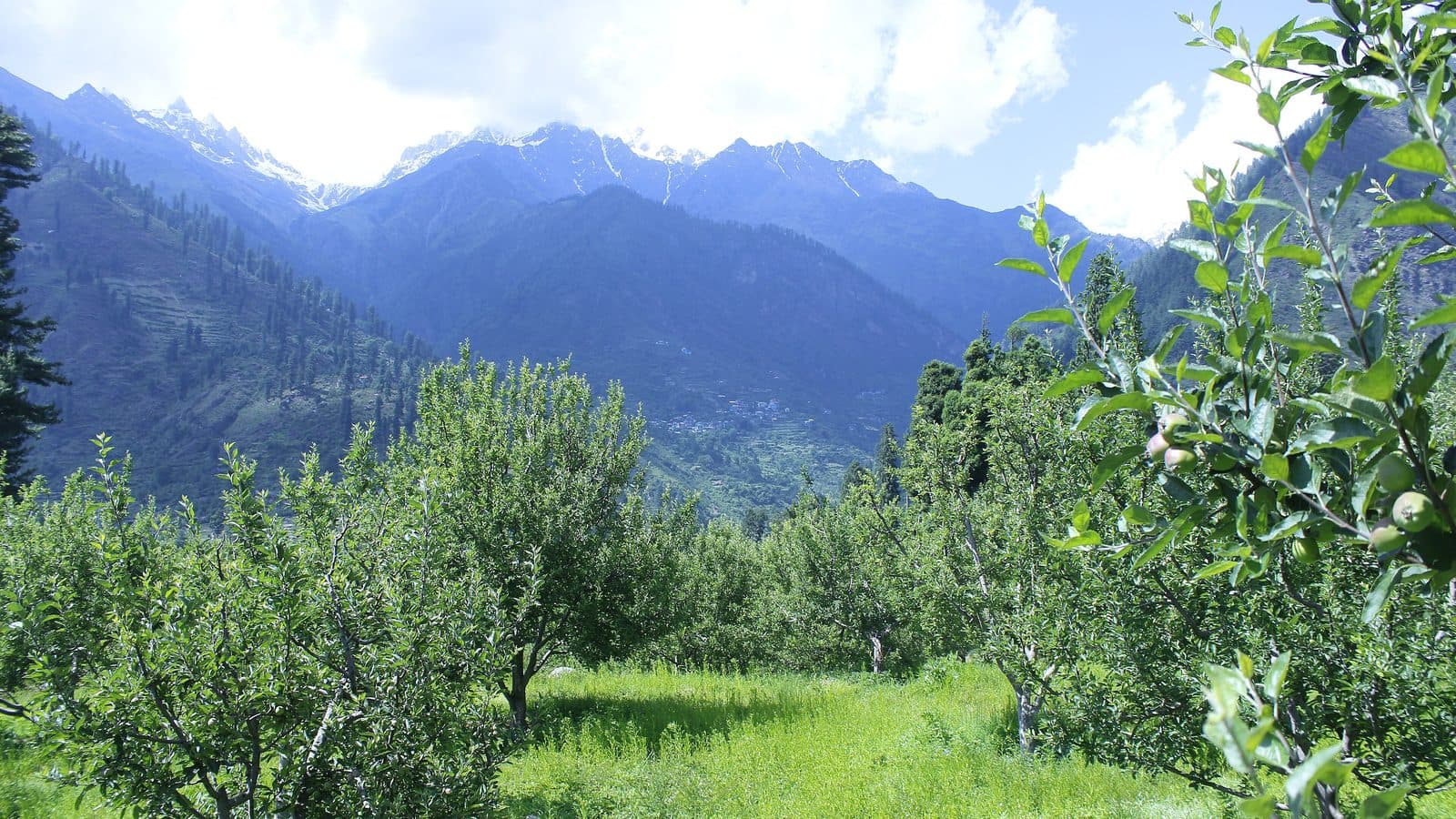
Pulga, Forests, Waterfalls and Silence
Three kilometres from Barshaini, across a river, through what locals call the Fairy Forest. Pulga is close enough to Kasol to visit for an afternoon and far enough in spirit that most people forget to leave.
Tulga, The Forgotten Neighbour
Tulga sits between Kalga and Pulga, sharing their geography without sharing their fame. This chapter says plainly what is known and what is not, rather than inventing a history to fill the gap.
Related Places
Tosh, The Village Above the Valley
Tosh is the last village the Parvati valley offers before the trails take over entirely. Its fame arrived faster than its infrastructure, and both facts matter to anyone visiting now.
Kalga, Apple Orchards and Slow Mountain Life
No road reaches Kalga. That single fact organises everything else about it, from its economy to the pace at which travellers who arrive here tend to leave.
Pulga, Forests, Waterfalls and Silence
Three kilometres from Barshaini, across a river, through what locals call the Fairy Forest. Pulga is close enough to Kasol to visit for an afternoon and far enough in spirit that most people forget to leave.
Tulga, The Forgotten Neighbour
Tulga sits between Kalga and Pulga, sharing their geography without sharing their fame. This chapter says plainly what is known and what is not, rather than inventing a history to fill the gap.
Walk this chapter with awareness
Barshaini, Parvati Valley, Kullu, Himachal Pradesh is a living landscape of villages, shrines, forests, and weather that turns quickly. Move softly, ask before you photograph faces or temples, support local homes, and carry back everything you carry in. The mountain remembers a respectful guest.
Read the Yatri CodeThe Himalayas are not asking to be visited.They ask to be understood.
Learn the trail, its people, and its silences before you set out, then walk this chapter with awareness.