
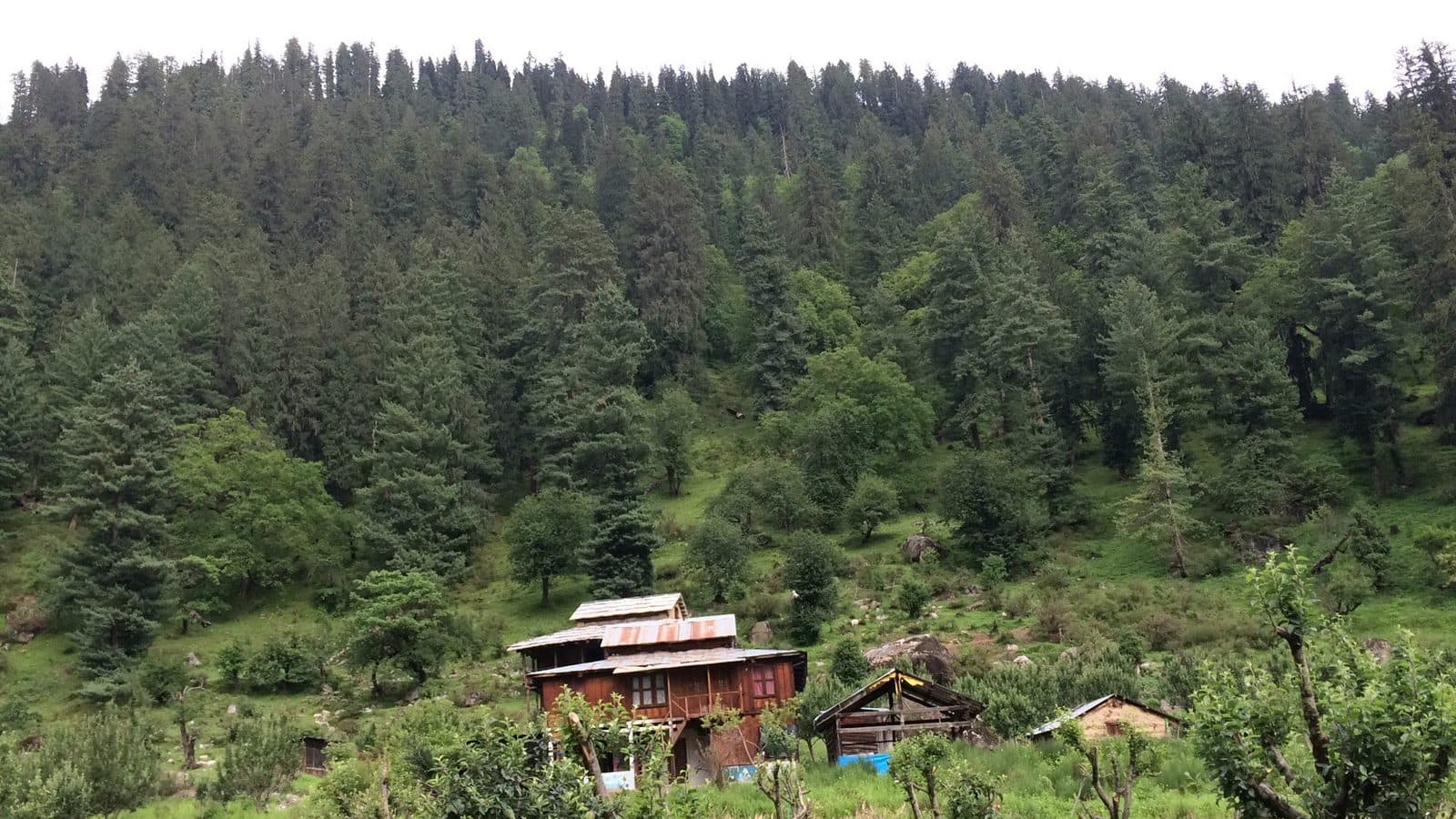
Kalga, Apple Orchards and Slow Mountain Life
No road reaches Kalga. That single fact organises everything else about it, from its economy to the pace at which travellers who arrive here tend to leave.
A village that runs on apple-harvest time, not on your itinerary.
The Journey
Everyone who stays in Kalga longer than they meant to gives roughly the same explanation, and it usually starts with the walk in.
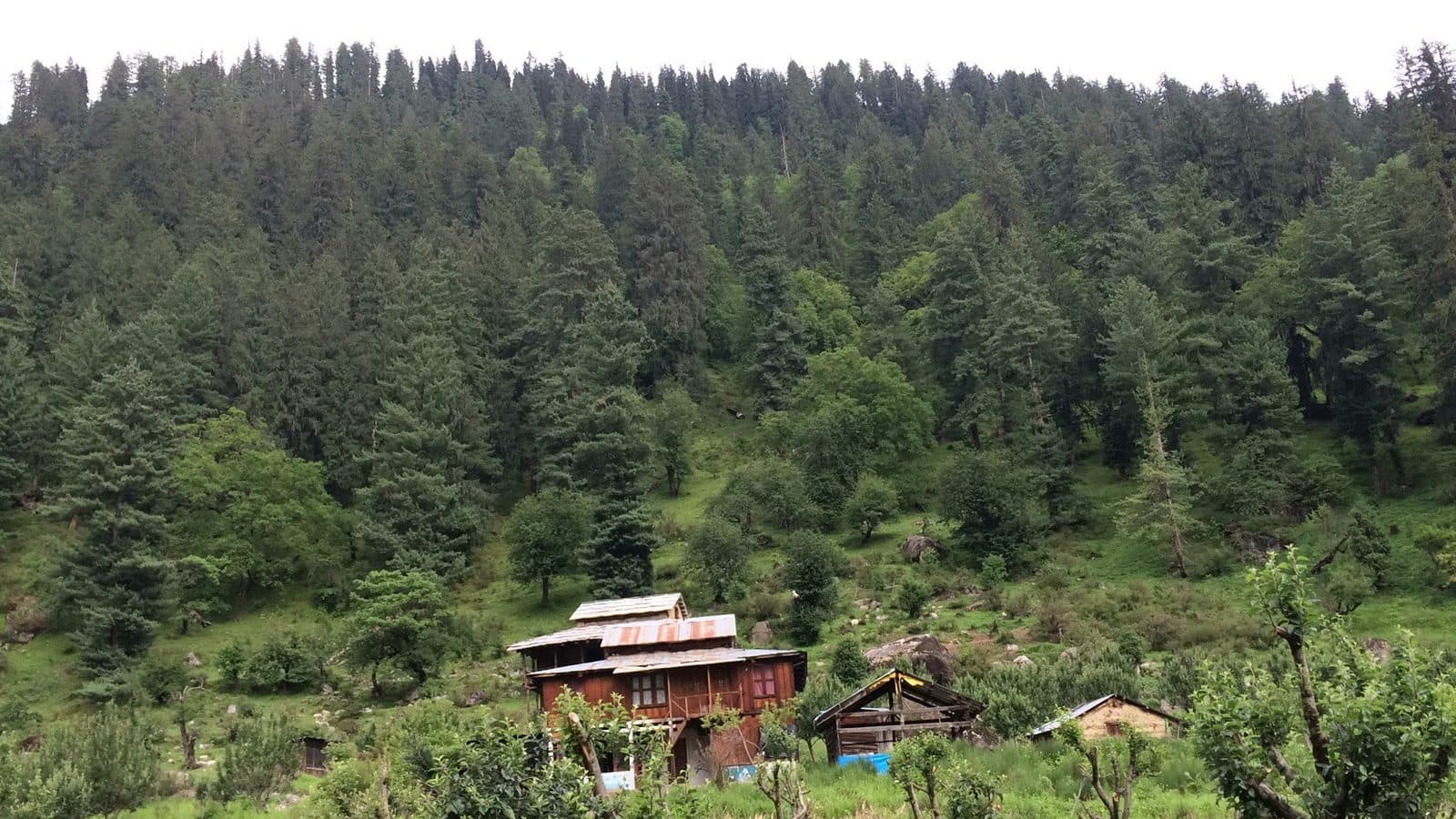
There is no way to arrive quickly. The footpath from Barshaini climbs hard enough that you stop twice without meaning to, and by the time the first wooden roofs appear through the pines, you have already left the version of travel that runs on schedules. Nobody built a road here. Nobody is trying to.
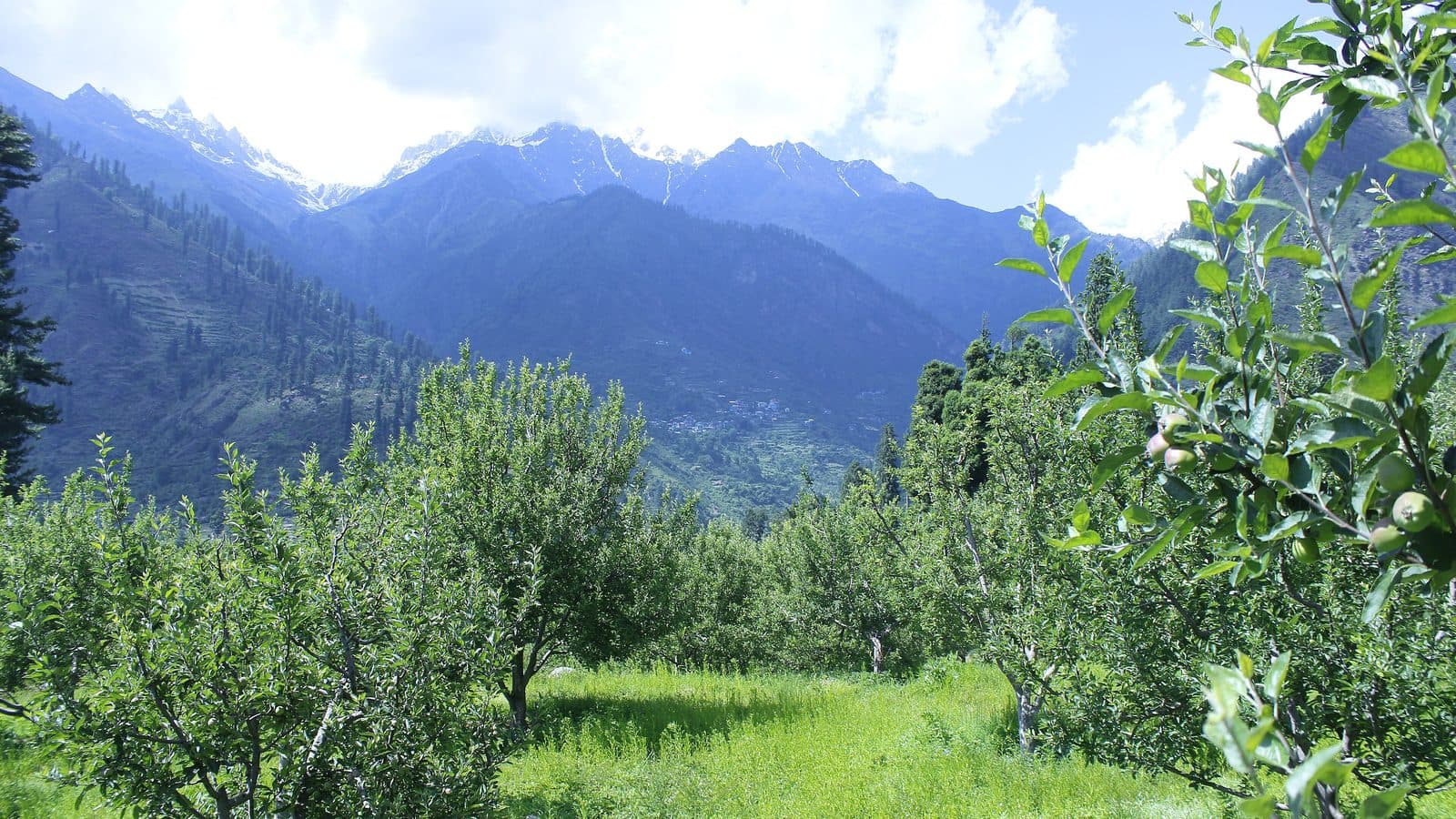
The village itself is small enough to learn in an afternoon and deep enough to still be learning after a week. Apple trees run right up to the houses. A woman sweeping her step in the morning will nod once, which in Kalga counts as a conversation started, and by evening the same nod might turn into an invitation to sit.
What surprises most visitors is not the scenery, which every photograph online has already shown them, but the economics. A room here can run as little as 500 rupees a night, shared bathroom, wooden walls that let the cold in honestly rather than pretending otherwise. That price is not a bargain performed for tourists. It is what the village actually costs to live in, and staying inside that reality, rather than asking for an upgrade the village was never built to offer, is most of the etiquette Kalga requires.
Local truth: the altitude, the exact house count, even the founding story of the village depend on who you ask and which website you trust. Kalga has not been surveyed to the standard a traveller might expect from a destination this photographed. That gap between fame and documentation is worth sitting with, not smoothing over.
Come for the apple blossom in April if you want colour, or the quiet cold of December if you want the village closer to its actual size. Either way, plan for longer than you think, because almost nobody who has been here plans it correctly the first time.
Practical Information
Reach Bhuntar, then drive up the Parvati valley road through Kasol and Manikaran to Barshaini, the last point a vehicle can take you. From Barshaini, Kalga is a steep 30 to 45 minute walk on foot, no road, no alternative.
Questions Yatris Ask
Related Chapters
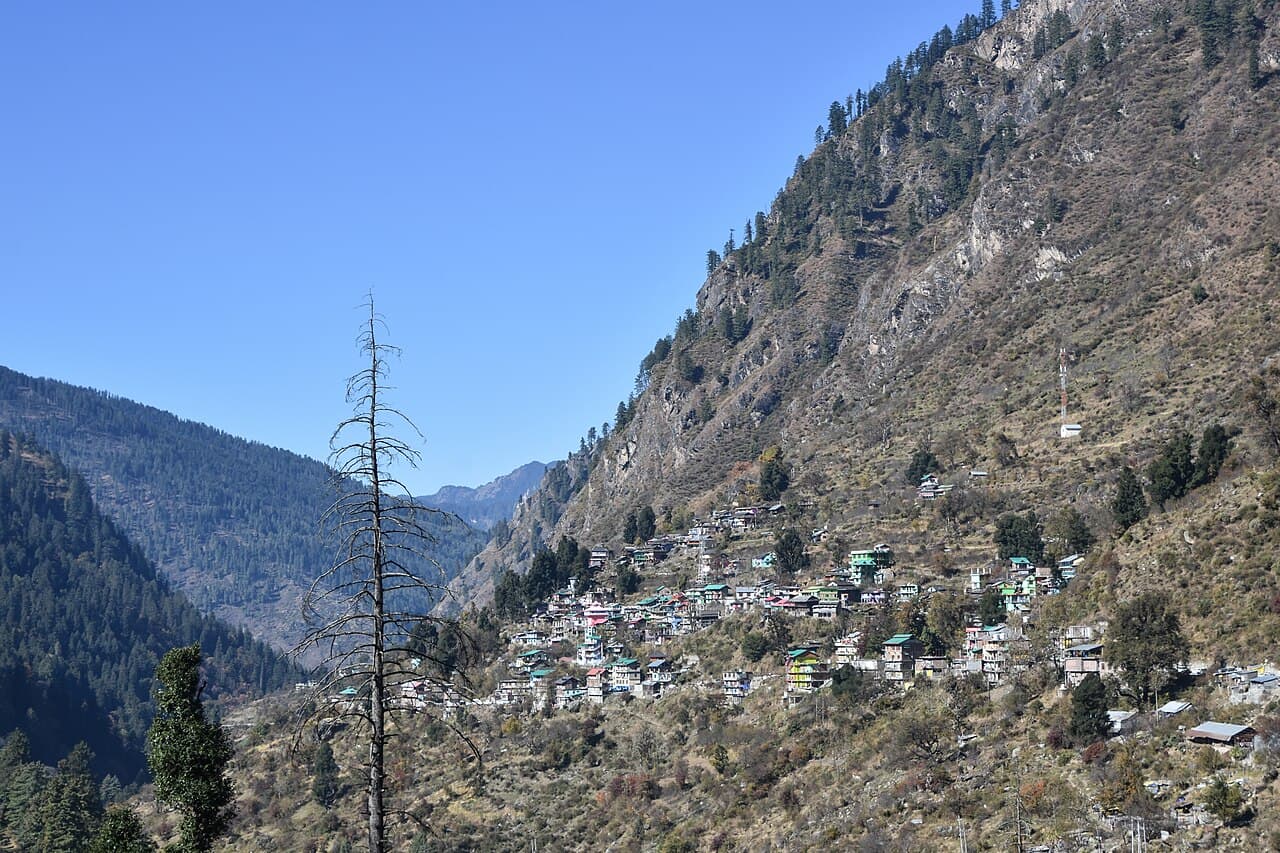
Barshaini: Where the Road Gives Way to the Valley
Barshaini is more than a transfer point. It is where the valley asks you to exchange the certainty of a road for the attention a village path deserves.
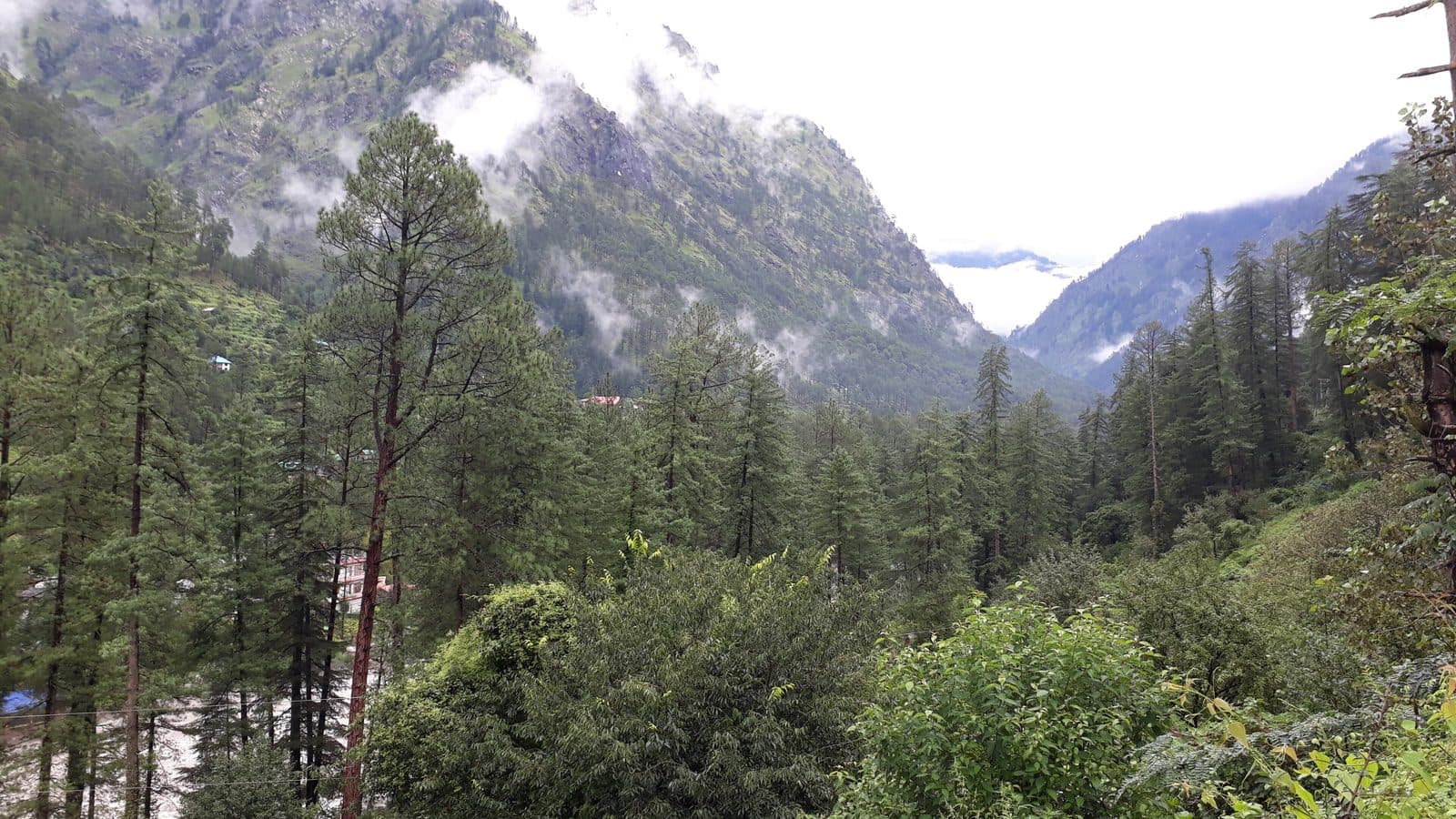
Understanding Parvati Valley
An opening to Parvati Valley through Kasol, Manikaran and the distinct settlements and routes gathered in this book.
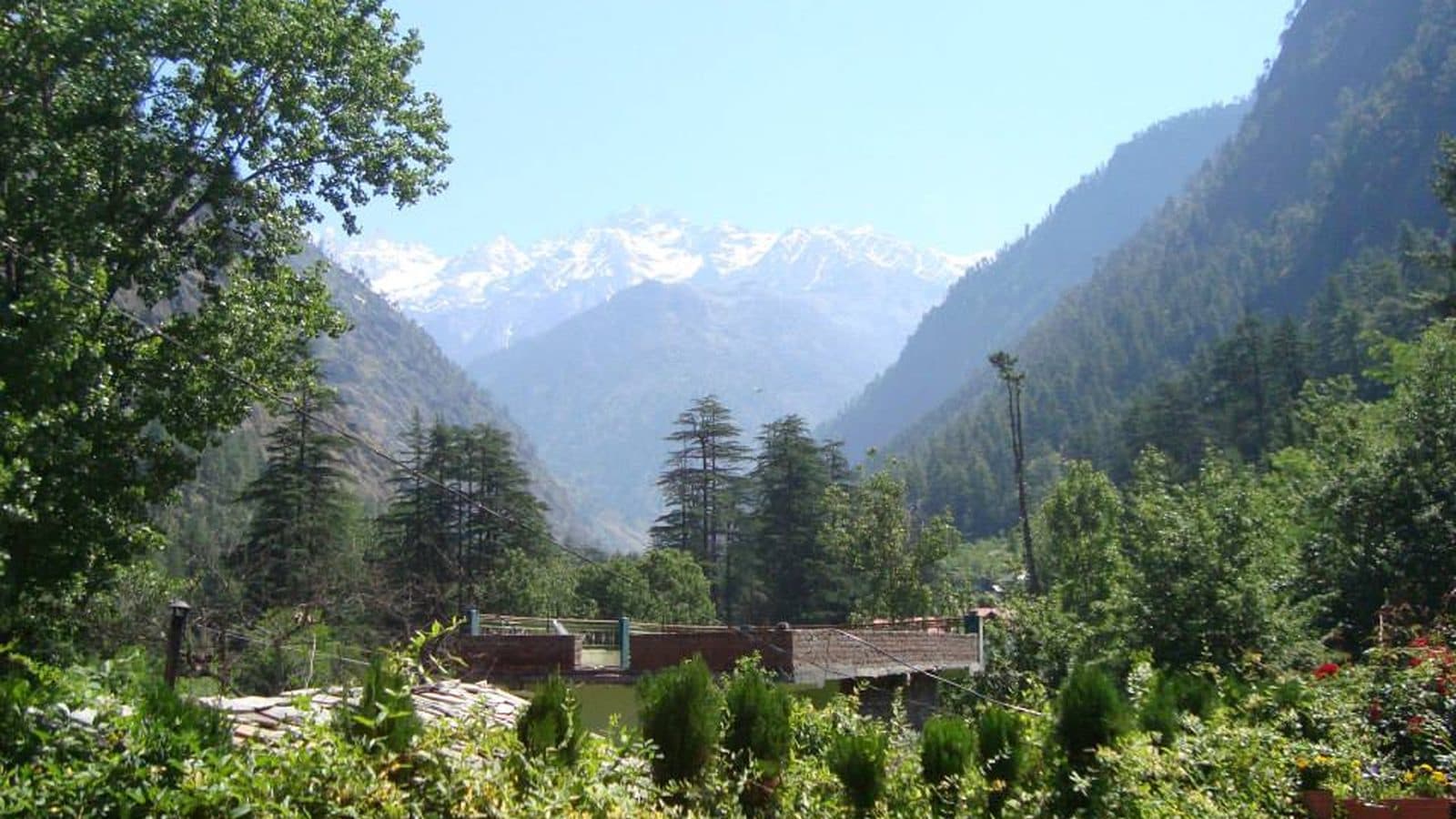
Kasol: A Gateway with Its Own History
Kasol became a familiar gateway to Parvati Valley through decades of travel and tourism. Its history is one chapter in a region of distinct places.
Pulga, Forests, Waterfalls and Silence
Three kilometres from Barshaini, across a river, through what locals call the Fairy Forest. Pulga is close enough to Kasol to visit for an afternoon and far enough in spirit that most people forget to leave.
Bunbuni Pass, The Trail Beyond Kheerganga
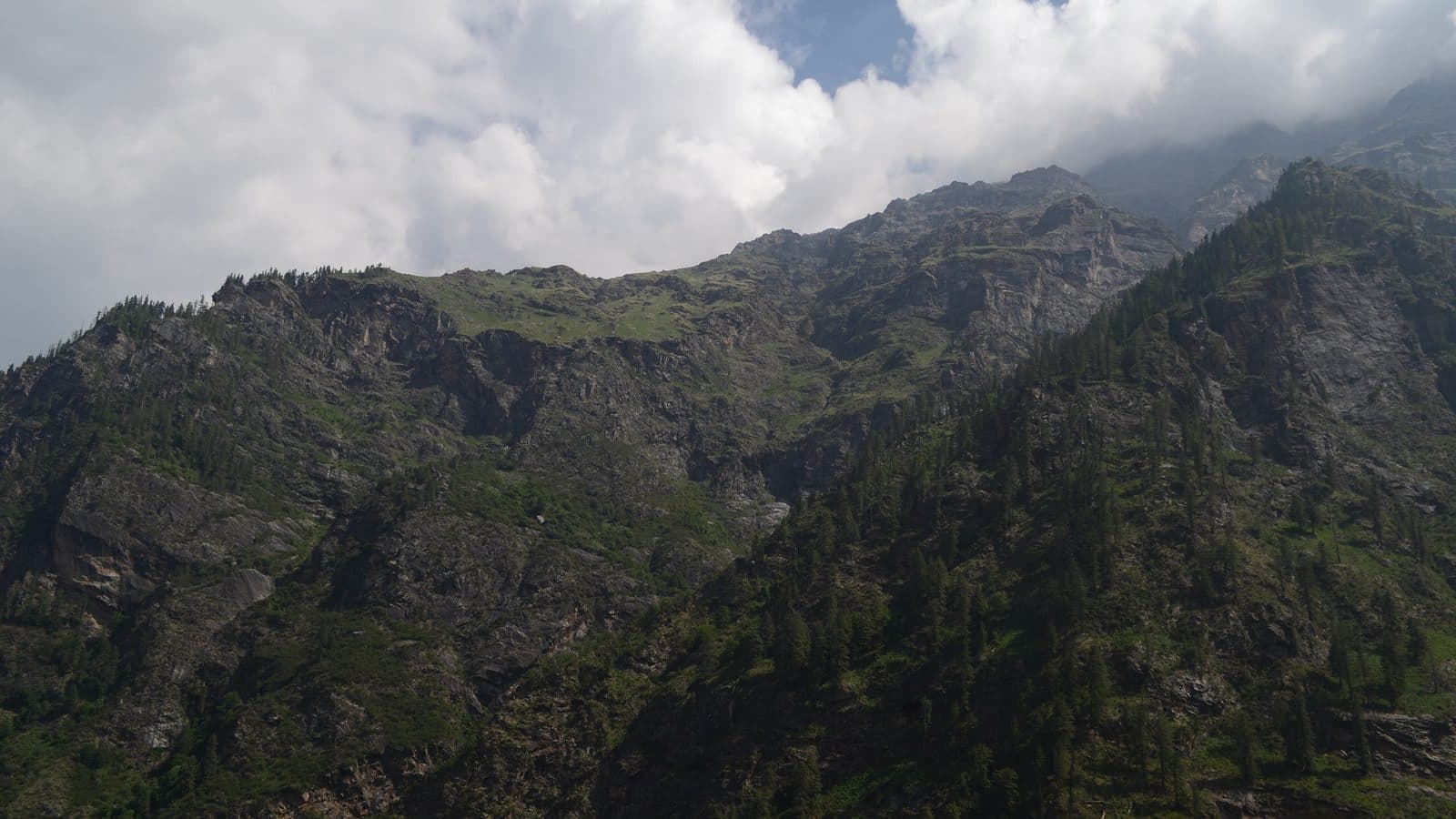
Bunbuni Pass starts from Kalga and climbs to nearly 11,000 feet, offering the same Parvati valley wilderness as Kheerganga with a fraction of its foot traffic.
Tulga, The Forgotten Neighbour
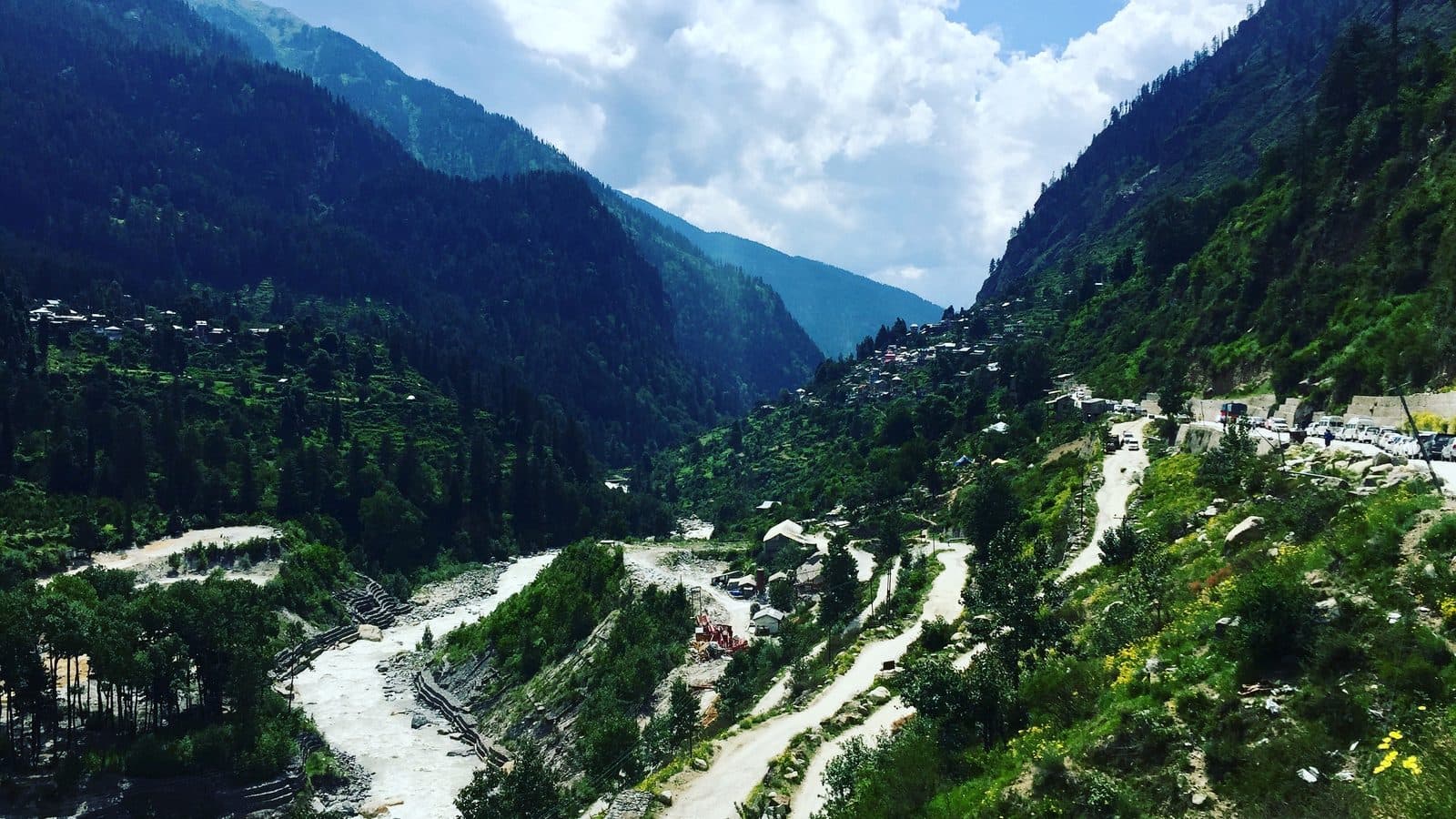
Tulga sits between Kalga and Pulga, sharing their geography without sharing their fame. This chapter says plainly what is known and what is not, rather than inventing a history to fill the gap.
Stories from This Chapter
The Day I Stopped Checking My Phone
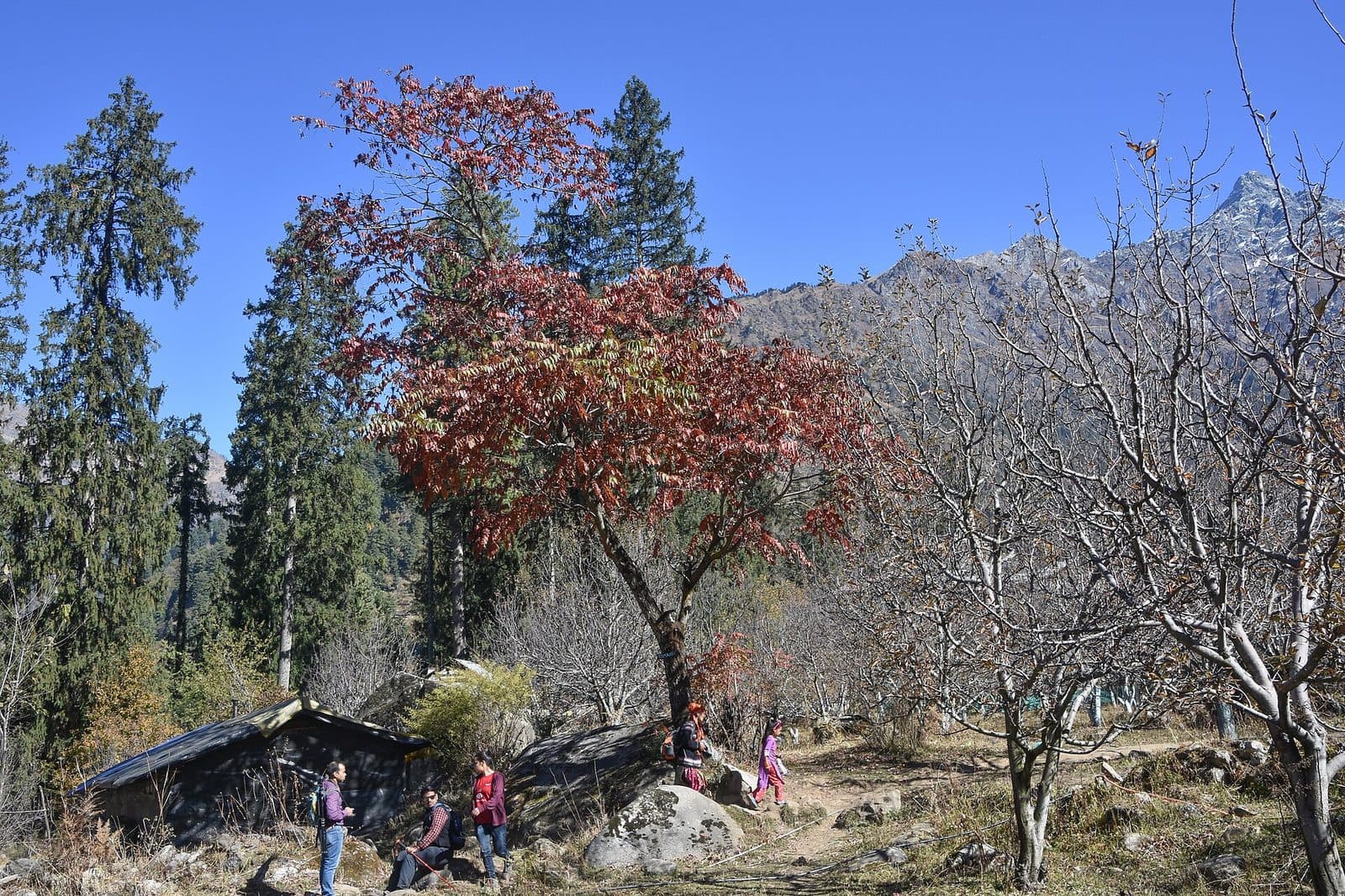
I came to Kalga for a weekend to escape deadlines. By the third day I had stopped counting how many messages were waiting for me, which had never happened before in my adult life.
Two Weeks That Were Supposed to Be Two Days
I planned a short detour on my way through Himachal. Kalga had other plans, and I am still not entirely sure how I let it win.
Related Places
Barshaini: Where the Road Gives Way to the Valley
Barshaini is more than a transfer point. It is where the valley asks you to exchange the certainty of a road for the attention a village path deserves.
Understanding Parvati Valley
An opening to Parvati Valley through Kasol, Manikaran and the distinct settlements and routes gathered in this book.
Kasol: A Gateway with Its Own History
Kasol became a familiar gateway to Parvati Valley through decades of travel and tourism. Its history is one chapter in a region of distinct places.
Pulga, Forests, Waterfalls and Silence
Three kilometres from Barshaini, across a river, through what locals call the Fairy Forest. Pulga is close enough to Kasol to visit for an afternoon and far enough in spirit that most people forget to leave.
Bunbuni Pass, The Trail Beyond Kheerganga
Bunbuni Pass starts from Kalga and climbs to nearly 11,000 feet, offering the same Parvati valley wilderness as Kheerganga with a fraction of its foot traffic.
Tulga, The Forgotten Neighbour
Tulga sits between Kalga and Pulga, sharing their geography without sharing their fame. This chapter says plainly what is known and what is not, rather than inventing a history to fill the gap.
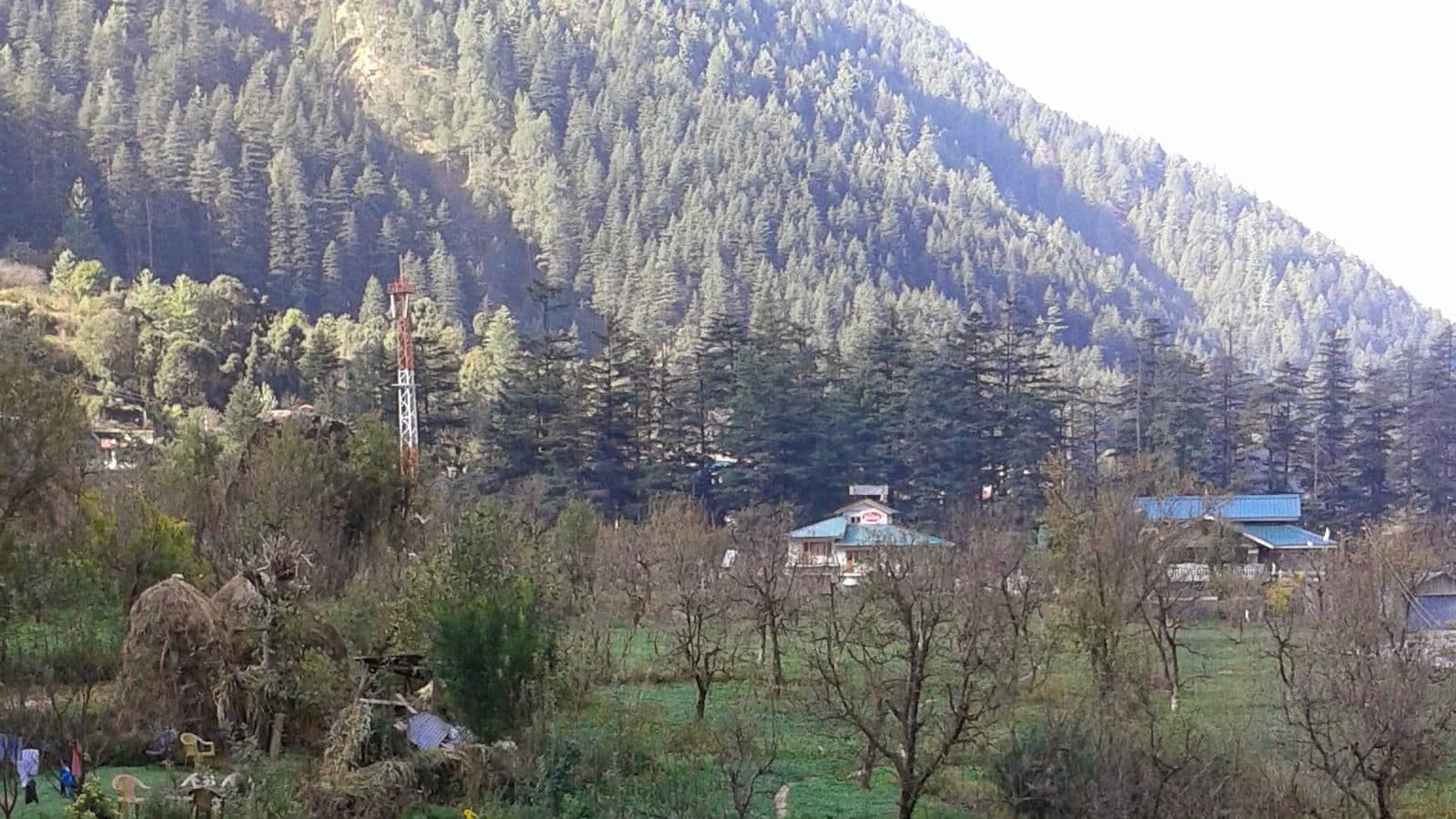
“Kalga does not ask you to hurry, and does not particularly notice if you do.”
Photograph acknowledgements
RawatKiran / CC BY-SA 4.0 via Wikimedia Commons. Displayed with a responsive crop. Photograph source. Licence terms.
Walk this chapter with awareness
Kalga, Parvati Valley is a living landscape of villages, shrines, forests, and weather that turns quickly. Move softly, ask before you photograph faces or temples, support local homes, and carry back everything you carry in. The mountain remembers a respectful guest.
Read the Yatri CodeThe Himalayas are not asking to be visited.They ask to be understood.
Learn the trail, its people, and its silences before you set out, then walk this chapter with awareness.