
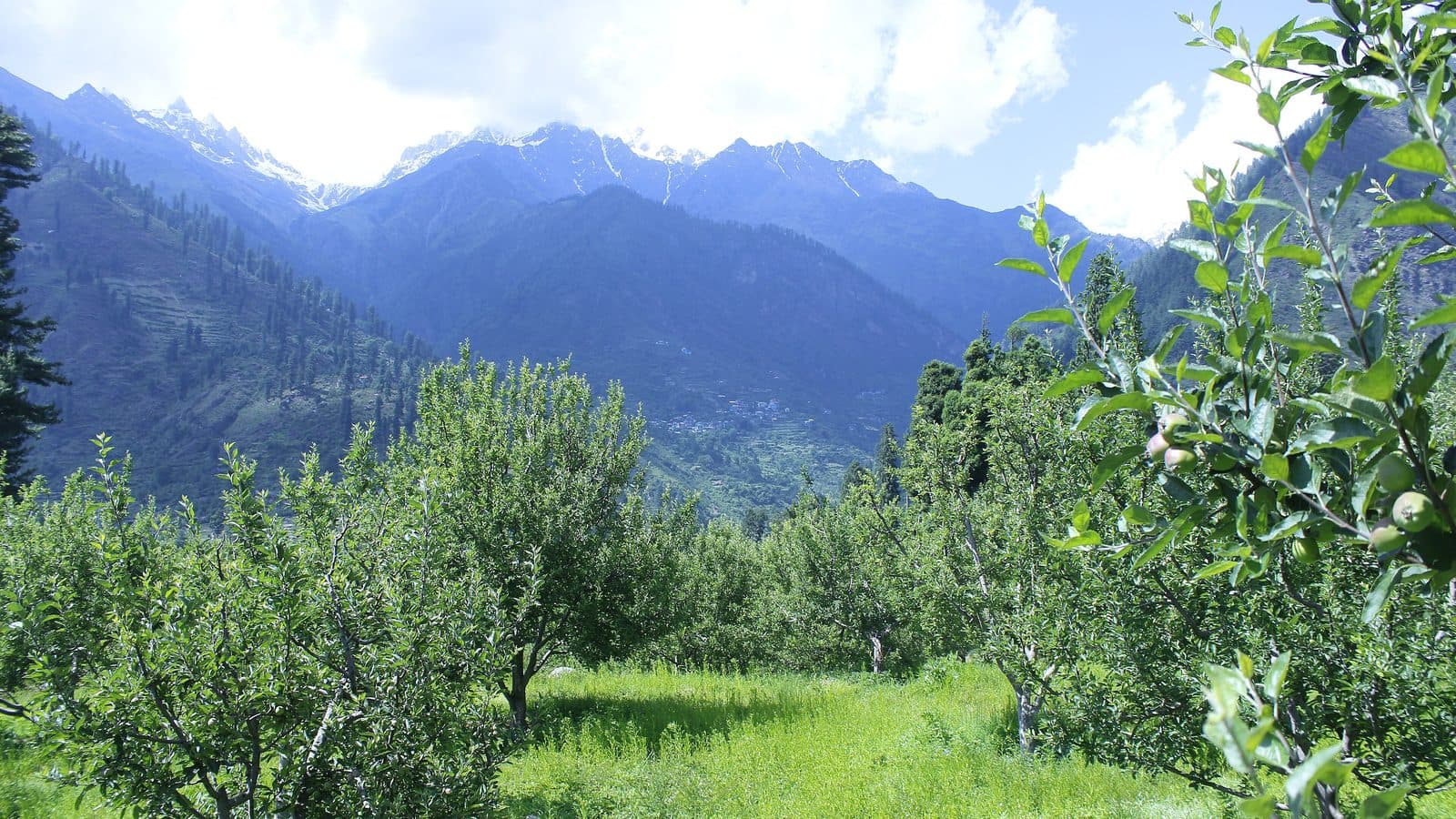
Pulga, Forests, Waterfalls and Silence
Three kilometres from Barshaini, across a river, through what locals call the Fairy Forest. Pulga is close enough to Kasol to visit for an afternoon and far enough in spirit that most people forget to leave.
The forest here has a local name. Nobody translates it for you unless you ask.
The Journey
The river crossing into Pulga is the last clean line between one kind of trip and another. On one side, Barshaini's parked taxis and last phone signal. On the other, a forest dense enough that the light arrives filtered and green, and a village that has quietly decided its own relationship with the modern world.
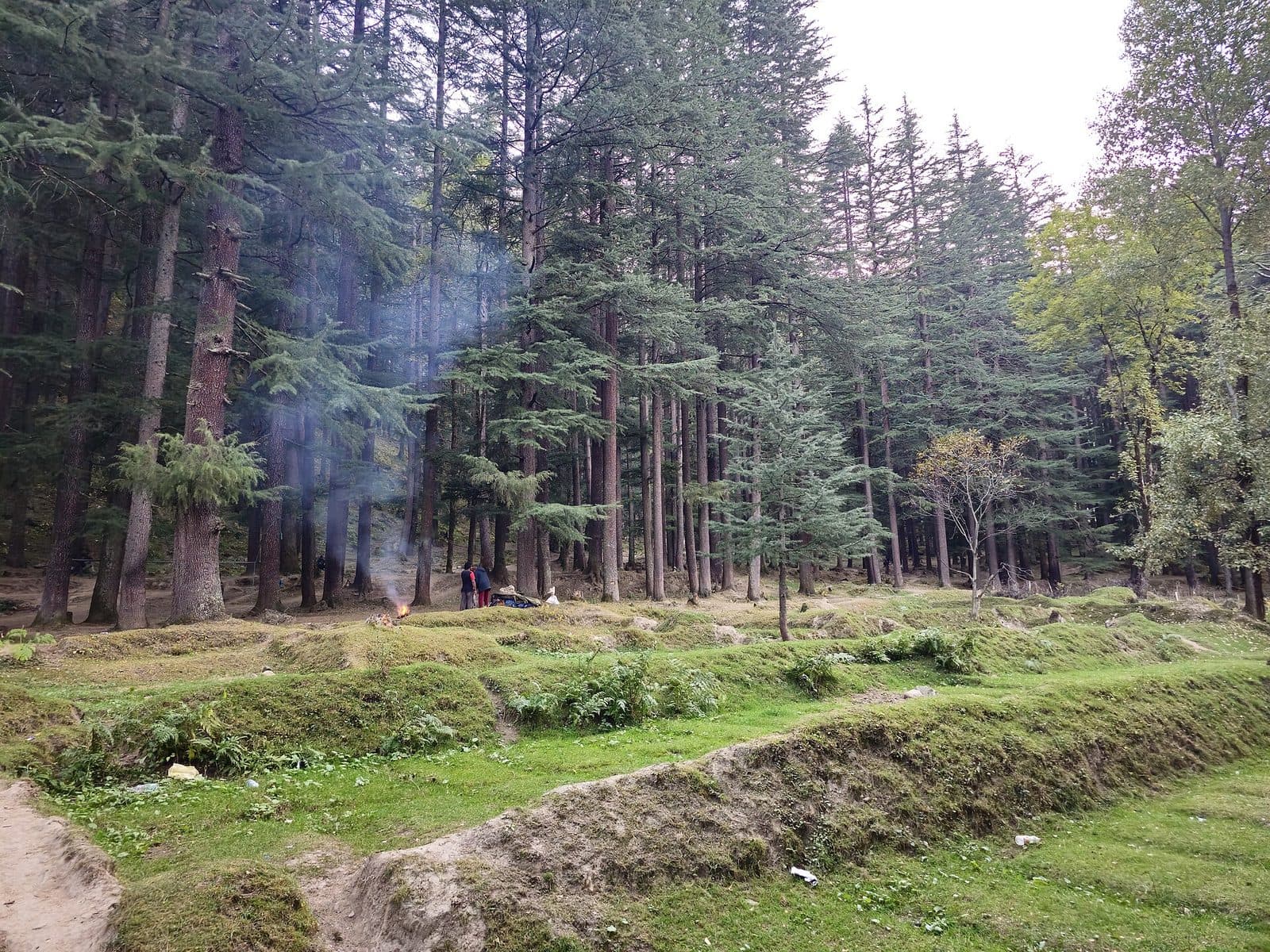
Locals call that forest the Fairy Forest, and nobody I found could trace exactly where the name started, which is its own kind of honest answer. What is certain is the effect: deodar trunks wide enough that two people cannot link hands around them, a floor of needles that swallows footsteps, and a quality of quiet that has nothing to do with isolation and everything to do with scale.
Pulga itself appears almost without warning, wooden homestays set among apple trees, a waterfall audible before it is visible. The village has become, somewhat by accident, a base for people who work on laptops for a living. The connectivity here is genuinely reliable, which is not something this chapter can say about most of the valley's other villages, and that single practical fact has shaped who stays for a week instead of an afternoon.
Local truth: Pulga's remoteness and its connectivity coexist without contradiction. The village is hard to reach and easy to work from, and those two facts explain most of what visitors find surprising about it.
Come after monsoon if you want the waterfalls at their fullest, or in late spring if you want the orchards in bloom. Either way, cross the river slowly. The forest is doing something worth noticing, whether or not you know its name.
Practical Information
Drive to Barshaini via Kasol and Manikaran, then cross the river on foot, a walk of 15 to 40 minutes depending on pace and the season's water level. There is no road into Pulga itself.
Questions Yatris Ask
Related Chapters
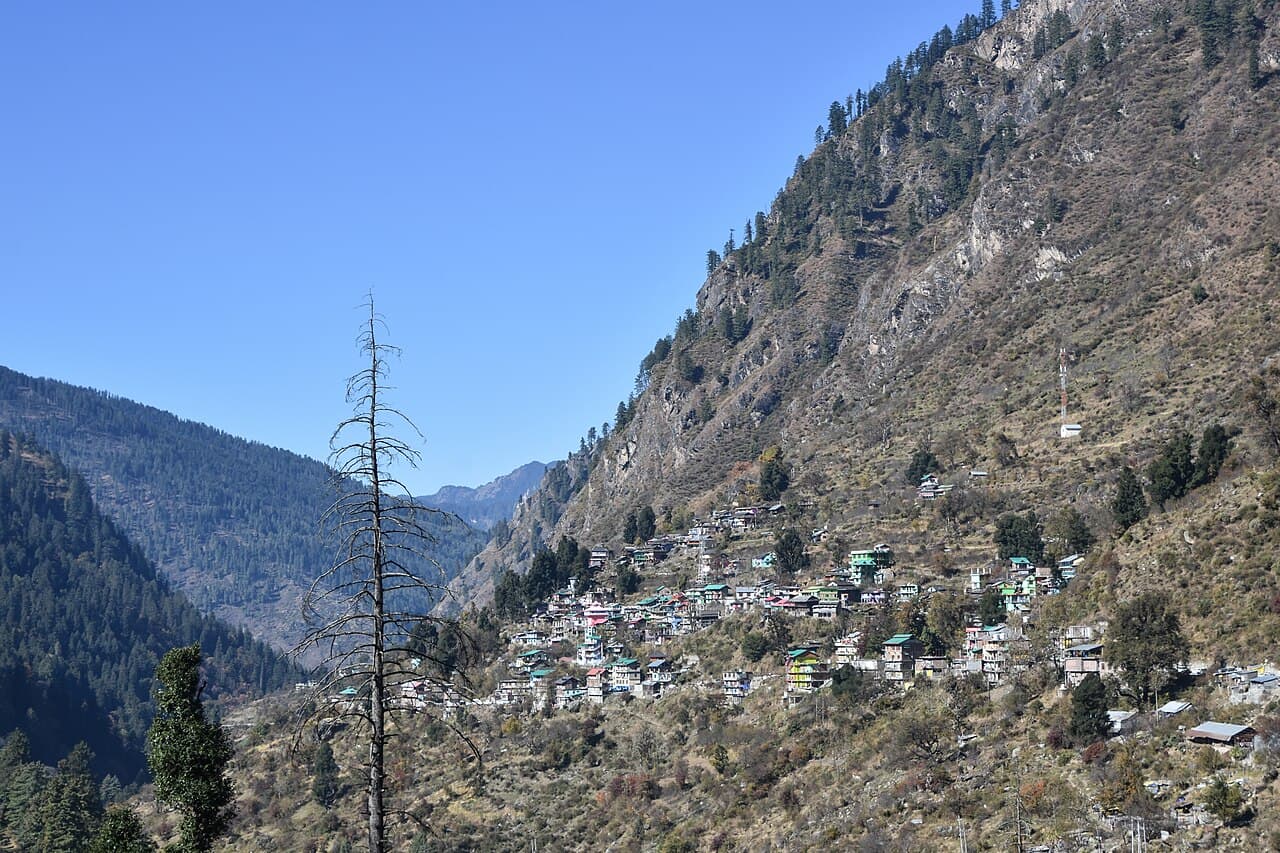
Barshaini: Where the Road Gives Way to the Valley
Barshaini is more than a transfer point. It is where the valley asks you to exchange the certainty of a road for the attention a village path deserves.
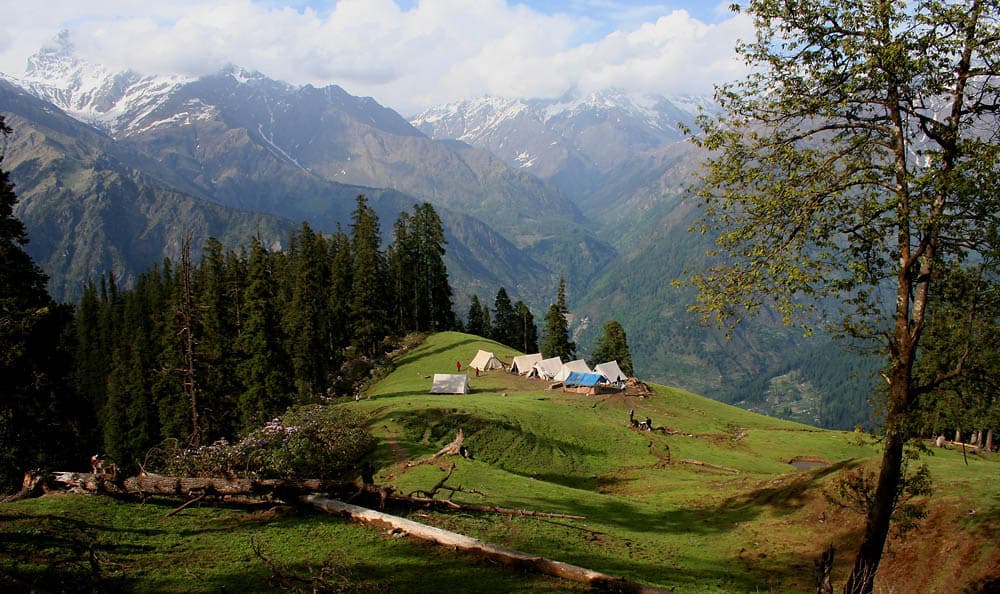
Biskeri Thach: Meadows Above the Forest
Biskeri Thach holds the quieter half of a Sar Pass journey: the descent, the camp and the work of leaving a meadow ready for whoever comes next.
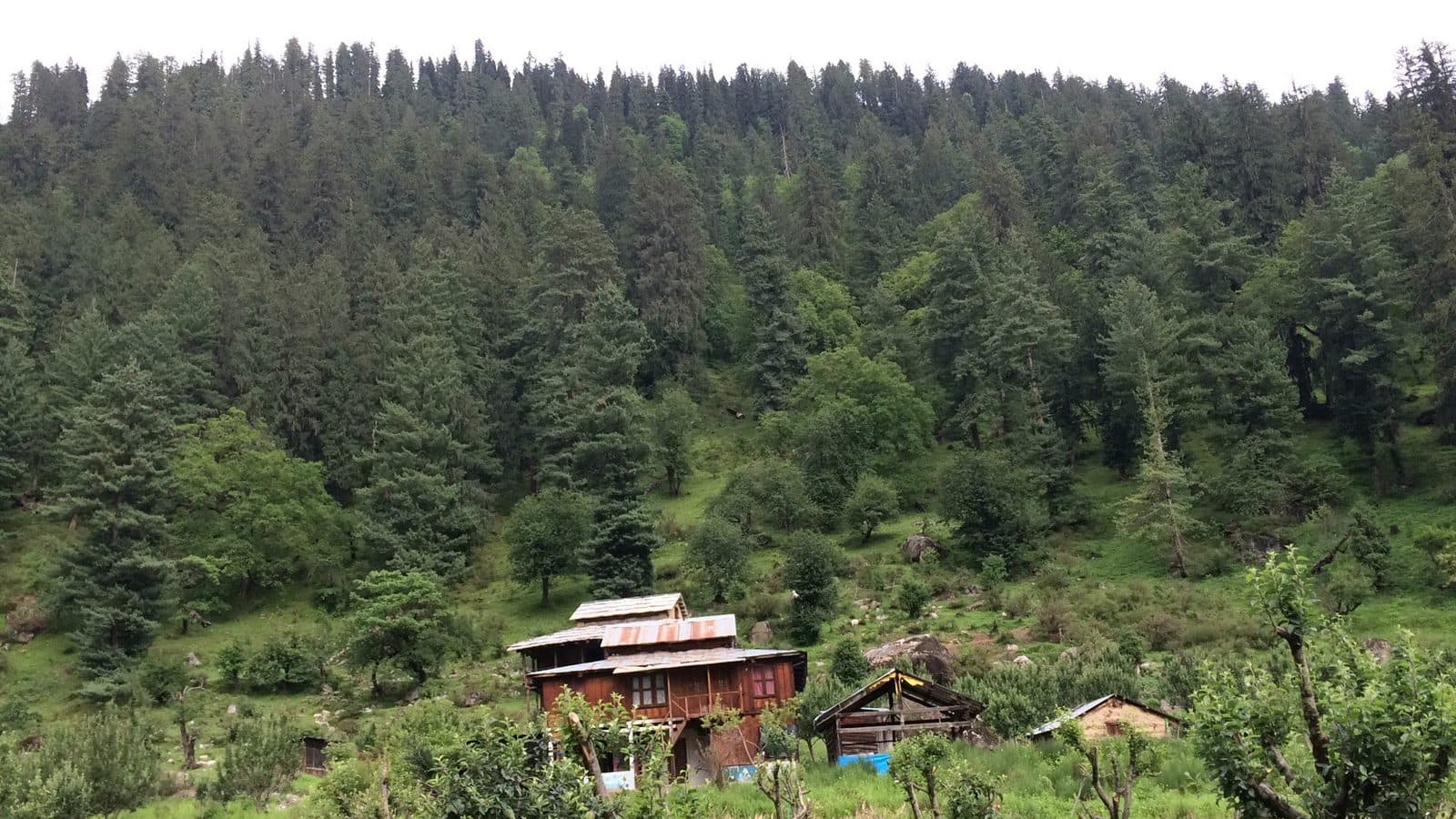
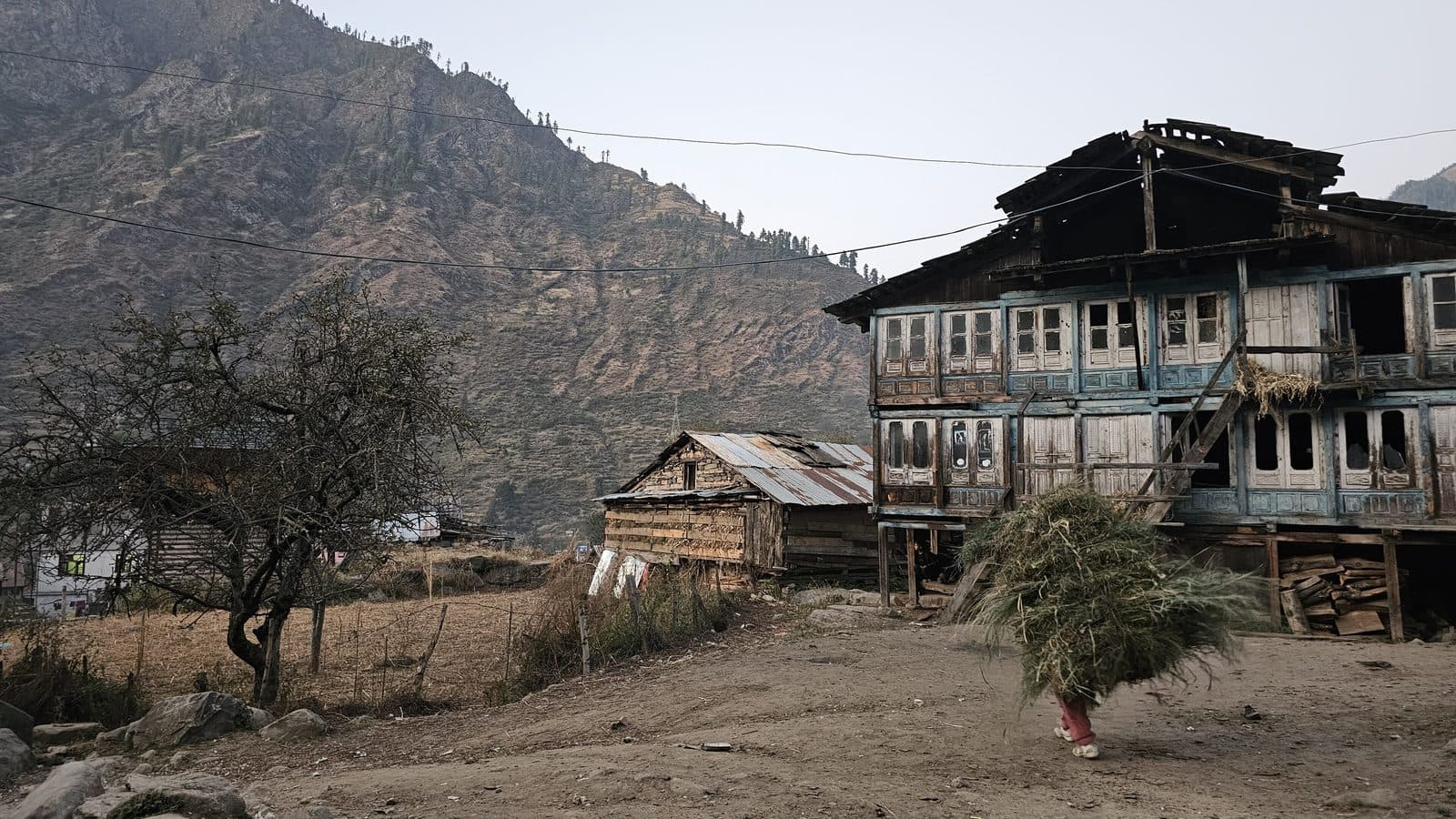
Kalga, Apple Orchards and Slow Mountain Life
No road reaches Kalga. That single fact organises everything else about it, from its economy to the pace at which travellers who arrive here tend to leave.
Tosh, The Village Above the Valley
Tosh is the last village the Parvati valley offers before the trails take over entirely. Its fame arrived faster than its infrastructure, and both facts matter to anyone visiting now.
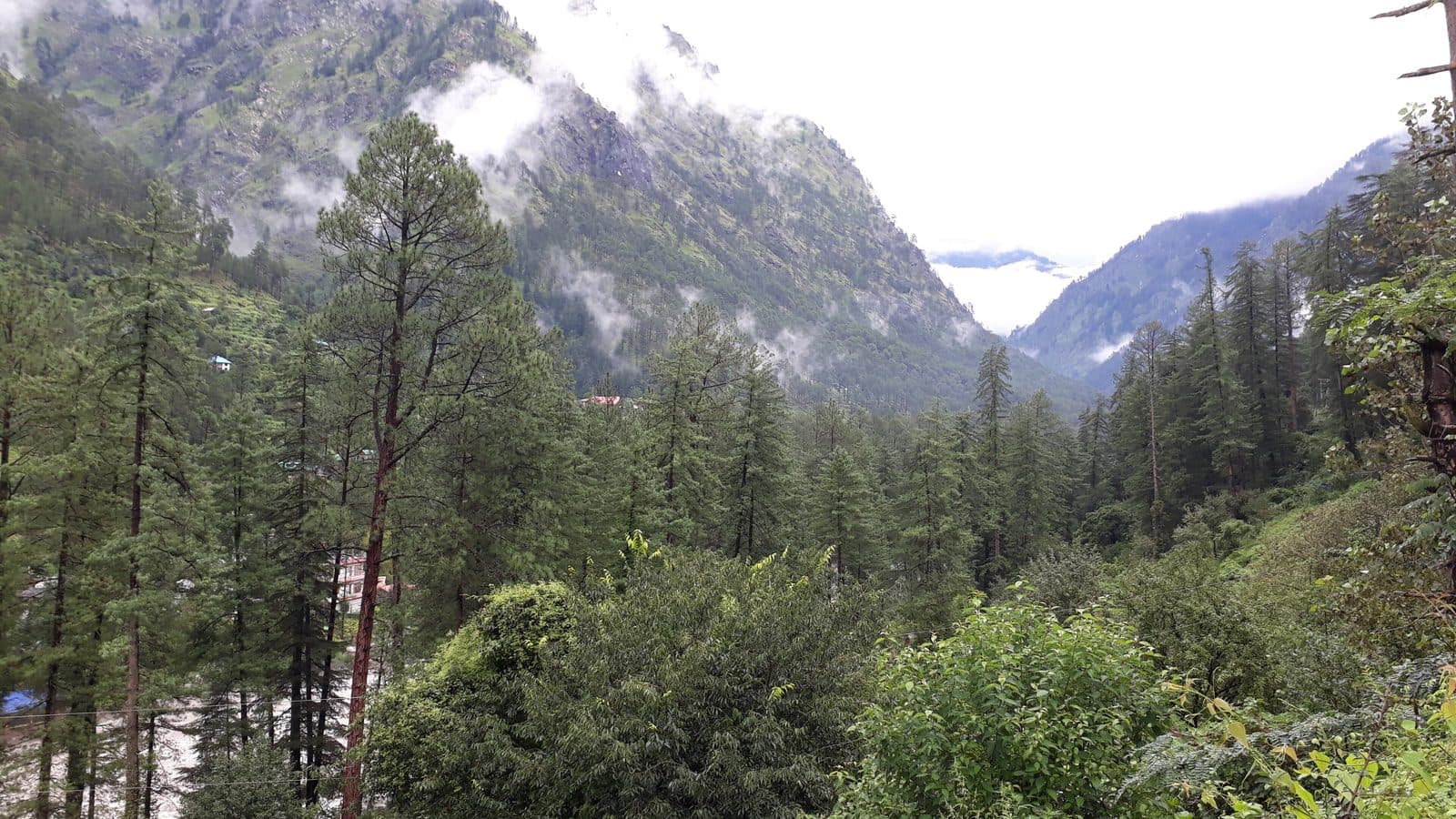
Understanding Parvati Valley
An opening to Parvati Valley through Kasol, Manikaran and the distinct settlements and routes gathered in this book.
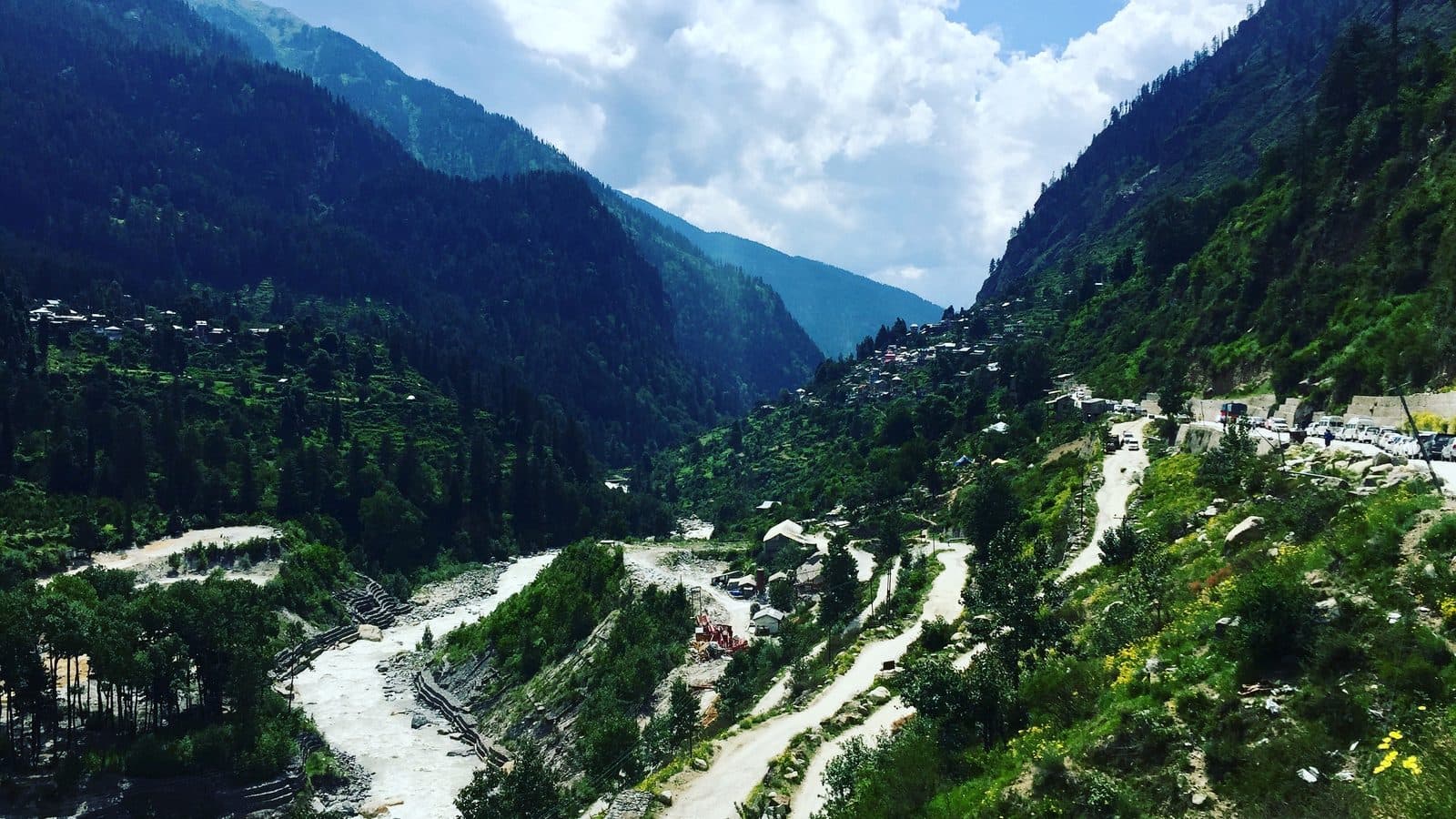
Tulga, The Forgotten Neighbour
Tulga sits between Kalga and Pulga, sharing their geography without sharing their fame. This chapter says plainly what is known and what is not, rather than inventing a history to fill the gap.
Related Places
Barshaini: Where the Road Gives Way to the Valley
Barshaini is more than a transfer point. It is where the valley asks you to exchange the certainty of a road for the attention a village path deserves.
Biskeri Thach: Meadows Above the Forest
Biskeri Thach holds the quieter half of a Sar Pass journey: the descent, the camp and the work of leaving a meadow ready for whoever comes next.
Kalga, Apple Orchards and Slow Mountain Life
No road reaches Kalga. That single fact organises everything else about it, from its economy to the pace at which travellers who arrive here tend to leave.
Tosh, The Village Above the Valley
Tosh is the last village the Parvati valley offers before the trails take over entirely. Its fame arrived faster than its infrastructure, and both facts matter to anyone visiting now.
Understanding Parvati Valley
An opening to Parvati Valley through Kasol, Manikaran and the distinct settlements and routes gathered in this book.
Tulga, The Forgotten Neighbour
Tulga sits between Kalga and Pulga, sharing their geography without sharing their fame. This chapter says plainly what is known and what is not, rather than inventing a history to fill the gap.
“Some forests are scenery. This one has a name locals actually use.”
Photograph acknowledgements
Malay Gupta / CC BY-SA 4.0 via Wikimedia Commons. Displayed with a responsive crop. Photograph source. Licence terms.
Walk this chapter with awareness
Pulga, Parvati Valley is a living landscape of villages, shrines, forests, and weather that turns quickly. Move softly, ask before you photograph faces or temples, support local homes, and carry back everything you carry in. The mountain remembers a respectful guest.
Read the Yatri CodeThe Himalayas are not asking to be visited.They ask to be understood.
Learn the trail, its people, and its silences before you set out, then walk this chapter with awareness.