
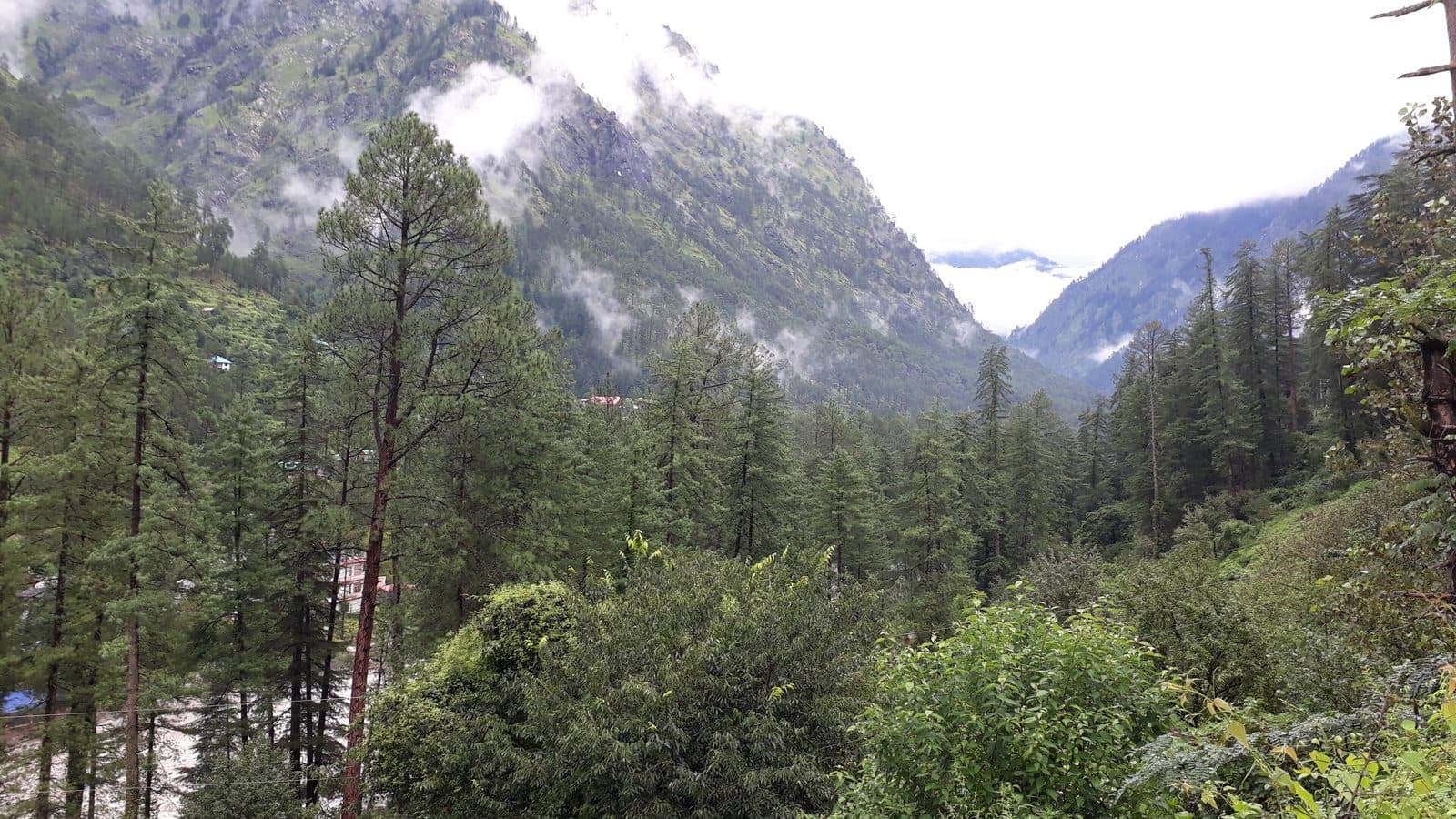
Understanding Parvati Valley
An opening to Parvati Valley through Kasol, Manikaran and the distinct settlements and routes gathered in this book.
Kasol is part of Parvati Valley. It is not the whole of it.
The Journey
A valley is easy to shrink to the name most people recognise.
In travel writing, that name is often Kasol.[2] The Kullu district administration names Parvati Valley among the district's defining landscapes, but its public overview does not define the valley's boundaries or tell the stories of the places within it.[1]
Kasol has its own tourism history. A 2026 ground report by ThePrint traces the Israeli connection to the late 1970s and 1980s and describes tourism's influence on cafes, lodging and other local businesses.[2] The report also records residents' concerns about the pressures that have accompanied tourism's growth. It is one account of a changing town, not a complete history or a single explanation for the valley.
The distinction matters as the frame widens. The chapters gathered here move among settlements, pilgrimage places and mountain routes. Their inclusion does not make them one continuous itinerary or one shared experience.
Manikaran offers a different point of orientation. The Kullu district's visitor information describes its hot springs and identifies it as a pilgrimage destination for Hindus and Sikhs.[3] Manikaran belongs in this book as a pilgrimage destination in its own right, not merely as a brief stop on the way to somewhere else.
The next chapter turns to Kasol itself: how did this town become the region's best-known tourism reference point? The answer begins with Kasol's own history, before the book follows the names beyond it.
A Note on This Book
This chapter draws on district-government information and published reporting; it does not claim a first-hand visit or interview. In the chapters that follow, documented claims, local traditions and editorial interpretation should remain distinct. Practical details require current verification.
Questions Yatris Ask
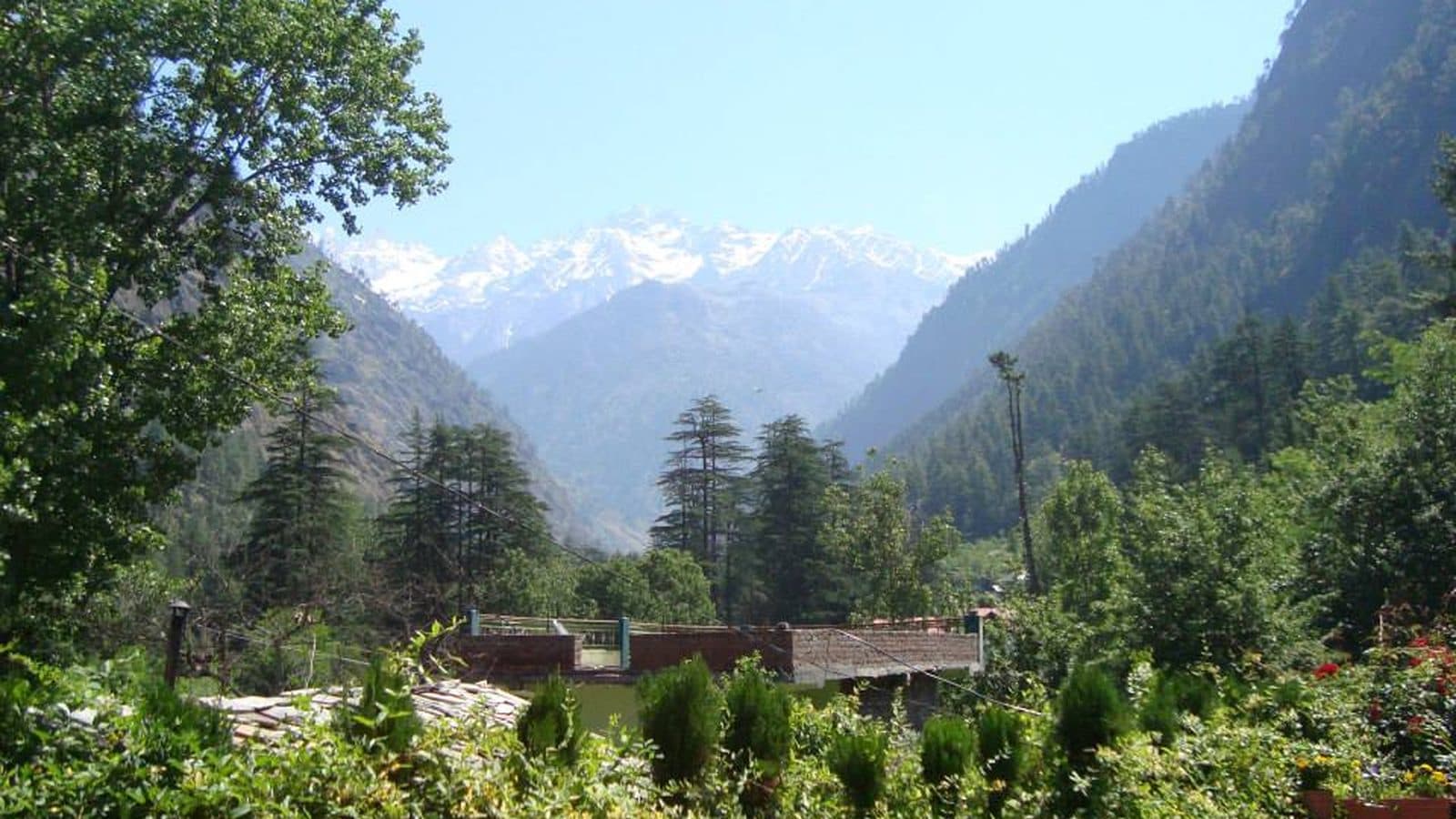
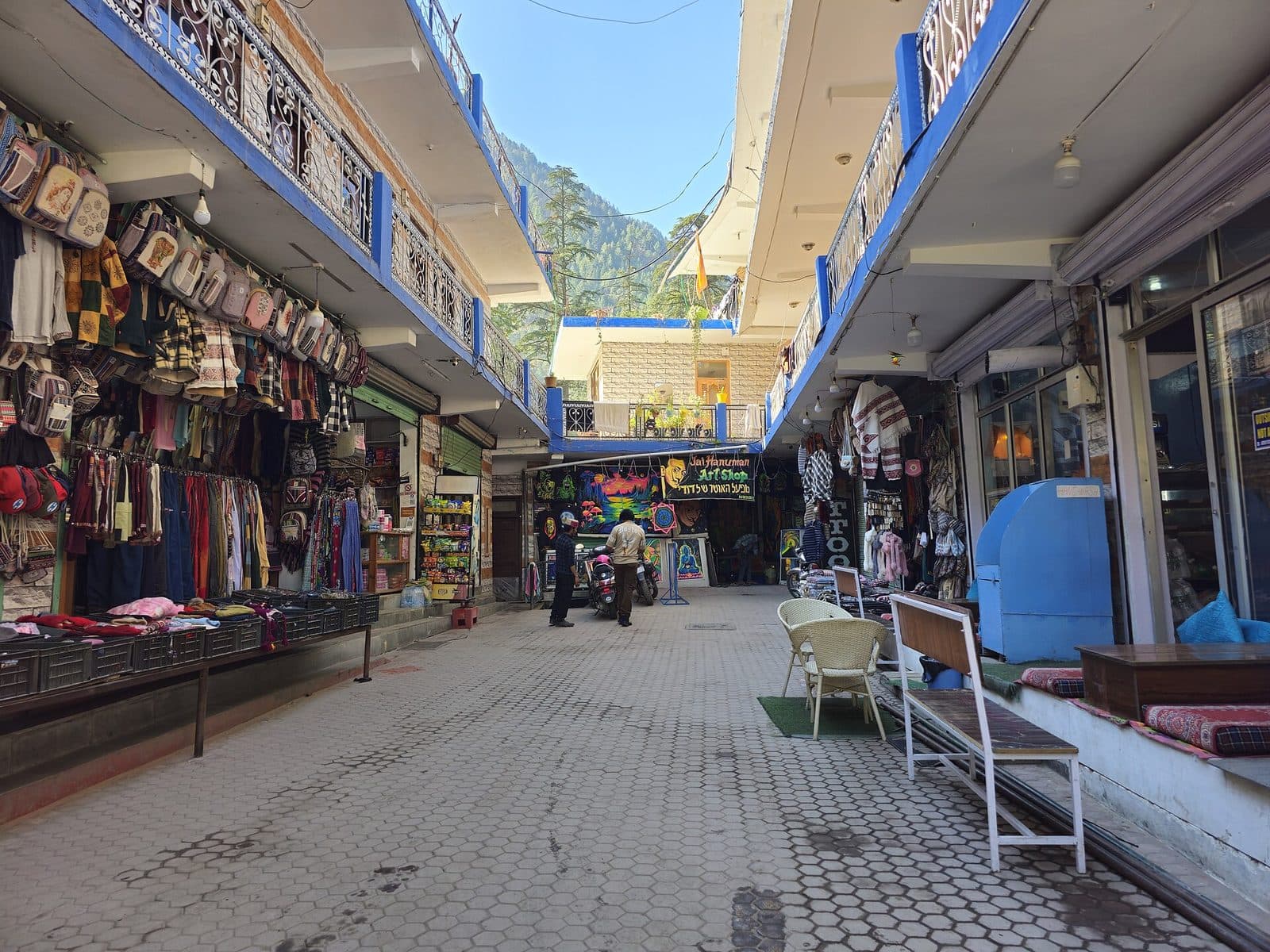
Photograph acknowledgements
Pinakpani / CC BY-SA 4.0 via Wikimedia Commons. Displayed with a responsive crop. Photograph source. Licence terms.
Walk this chapter with awareness
Parvati Valley is a living landscape of villages, shrines, forests, and weather that turns quickly. Move softly, ask before you photograph faces or temples, support local homes, and carry back everything you carry in. The mountain remembers a respectful guest.
Read the Yatri CodeThe Himalayas are not asking to be visited.They ask to be understood.
Learn the trail, its people, and its silences before you set out, then walk this chapter with awareness.