
Kutla: The Quiet Trail Beyond Tosh
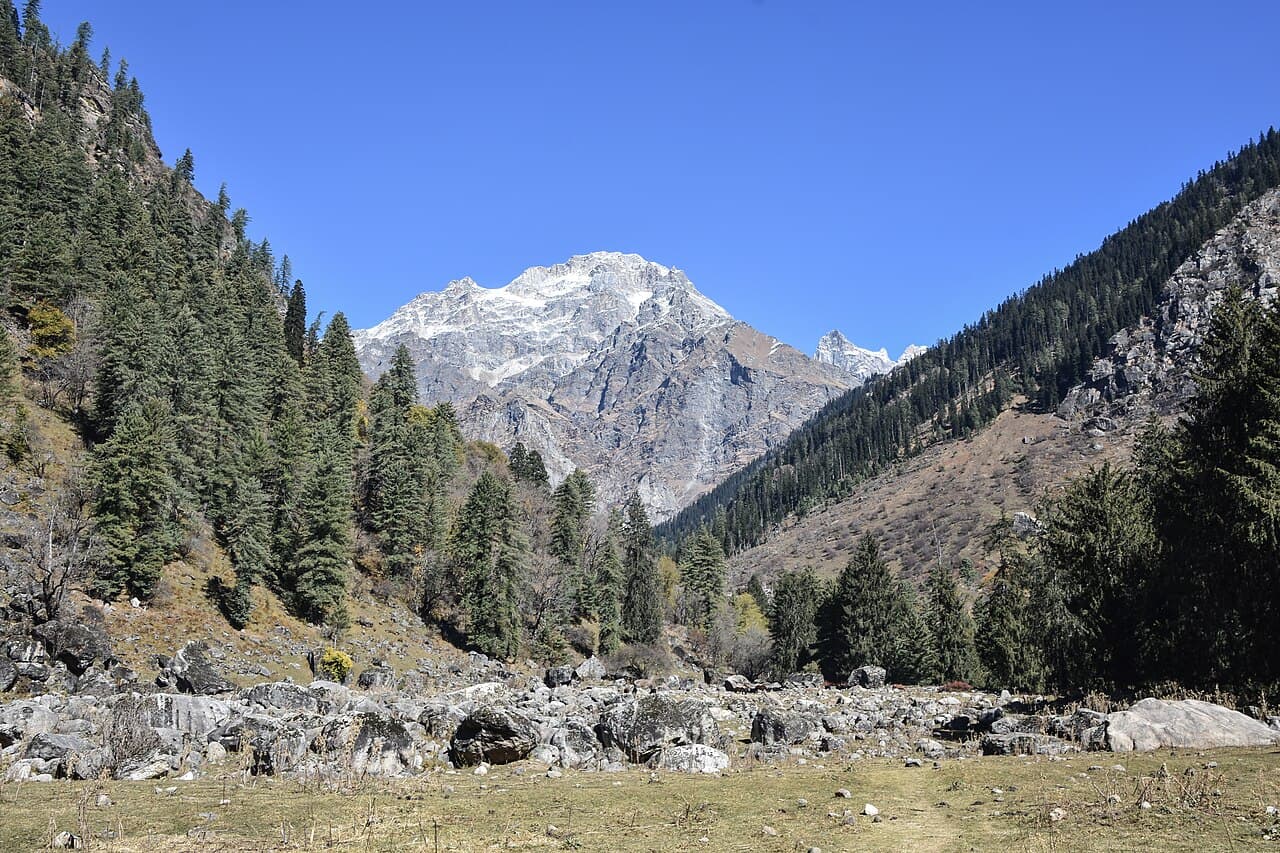
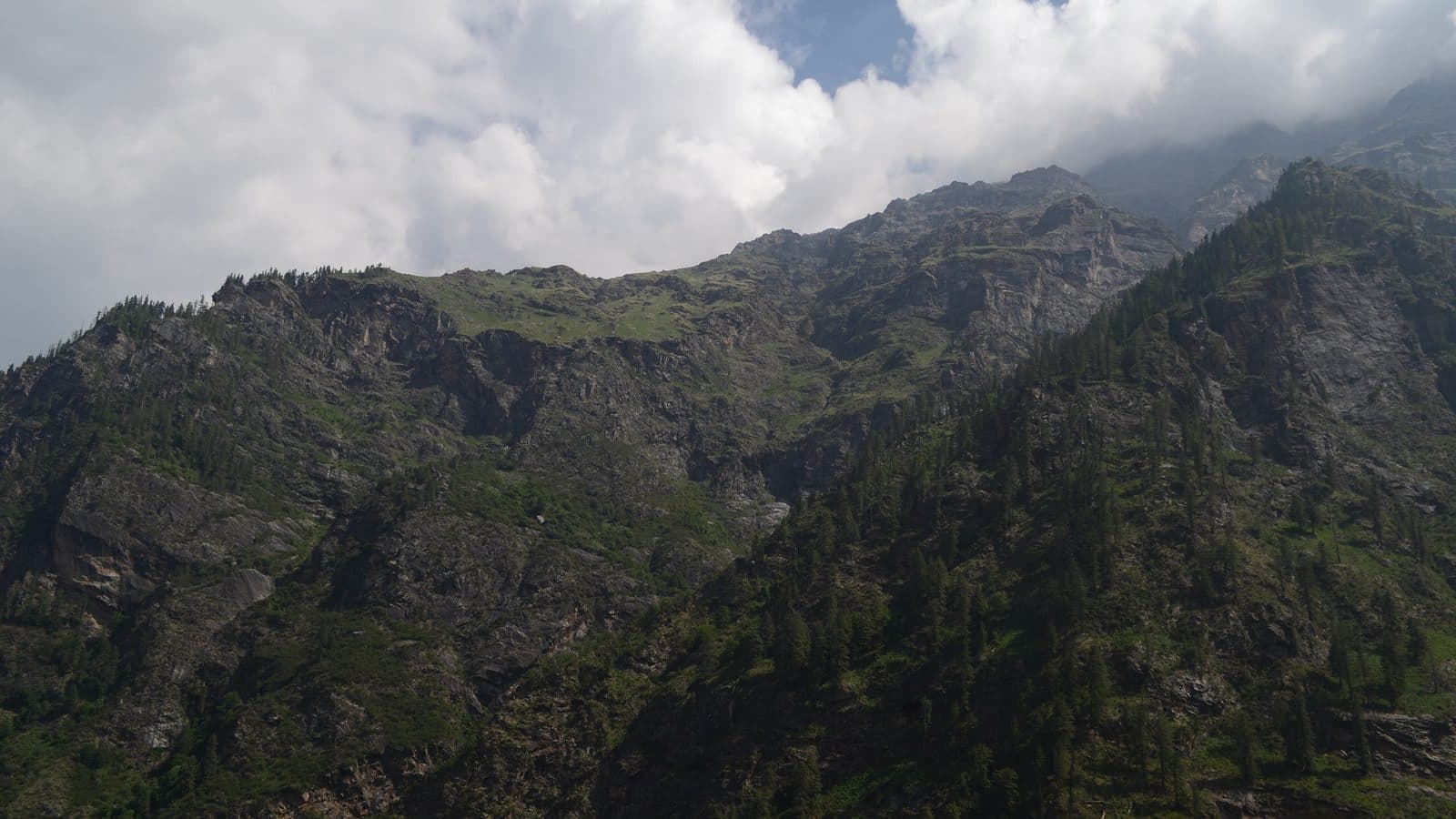
Beyond Tosh, Kutla gives the journey a different pace. Forest, open ground and a smaller margin for convenience ask the traveller to bring more attention.
Photo: Timothy A. Gonsalves / CC BY-SA 4.0; Wikimedia Commons thumbnail, displayed cropped
Quiet is something to enter carefully, not something to claim.
The Journey
There is a point in planning a mountain holiday when “quieter” begins to sound like a destination. Fewer signs. Fewer speakers. A place where sitting down does not need to become an activity. Kutla belongs in that conversation, but the first thing to leave behind is the idea that a quieter place exists only for the person arriving there.
Kutla is approached from Tosh. It is not the next stage beyond Kheerganga, even though searches for less crowded alternatives often put the two beside each other. That distinction matters on the ground: this is a different branch of the valley, with its own starting point and return journey.
In a published 2018 account, traveller Shubham Mansingka describes walking beyond Tosh into Kutla's forest and open landscape. His account also notes that supplies were brought up from below. It is a dated traveller's record, not a report of today's accommodation or a guarantee that the same path is open. Its useful reminder is how much effort can sit behind a seemingly simple stay.
Forests invite a different kind of looking. A broad view can be taken in at once; a woodland path rewards smaller observations, the texture underfoot, the turn that hides what comes next, the moment open ground changes the scale again. These are invitations to notice, not a claim that our editor walked this trail on a particular morning.
There is no need to invent an ancient history to make Kutla worth a chapter. The sources consulted do not establish a village founding date or a particular sacred tradition here. The more honest story concerns the present relationship between visitors and the people who make visits possible. An advertised bed is not proof of endless water, easy waste removal or an all-weather supply line.
Let the practical conversation happen before leaving Tosh. Ask a host or local guide which route is in use, whether a stay is operating, and when to turn back. Treat a waterfall or stream crossing as a decision point, not an obligation created by a photograph. Short distance does not remove the effect of rain, snow or failing light.
Once there, resist converting the pause into a hunt for the next hidden spot. A longer sit, a meal ordered with patience, or the choice to return before conditions worsen can be the whole experience. The search for silence becomes self-defeating if every new arrival brings amplified music and an expectation of round-the-clock service.
Keep to the established path, carry out all litter and use only a stay or campsite whose access and waste arrangements have been agreed locally. Do not collect wood for a fire or cut across someone else's working ground. Ask before including residents in photographs. Kutla does not become more meaningful when it is called undiscovered; it becomes more meaningful when a visitor learns how little needs to be disturbed.
Practical Information
Travel via Barshaini to the current Tosh drop-off, then confirm the onward walking route locally. This is not a signed continuation of Kheerganga. Allow daylight for the return and verify any overnight stay before setting out.
Questions Yatris Ask
Related Chapters
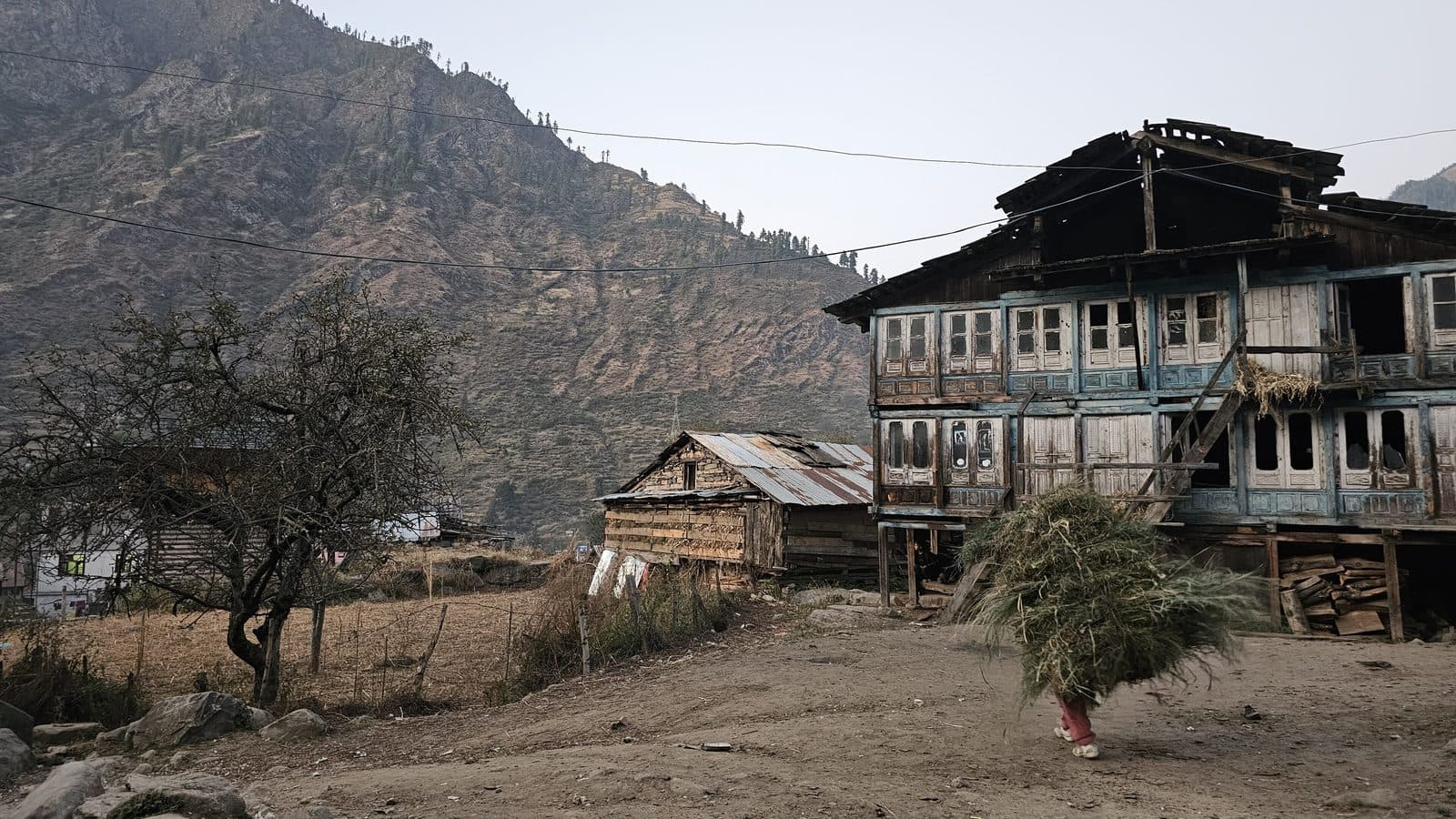
Tosh, The Village Above the Valley
Tosh is the last village the Parvati valley offers before the trails take over entirely. Its fame arrived faster than its infrastructure, and both facts matter to anyone visiting now.
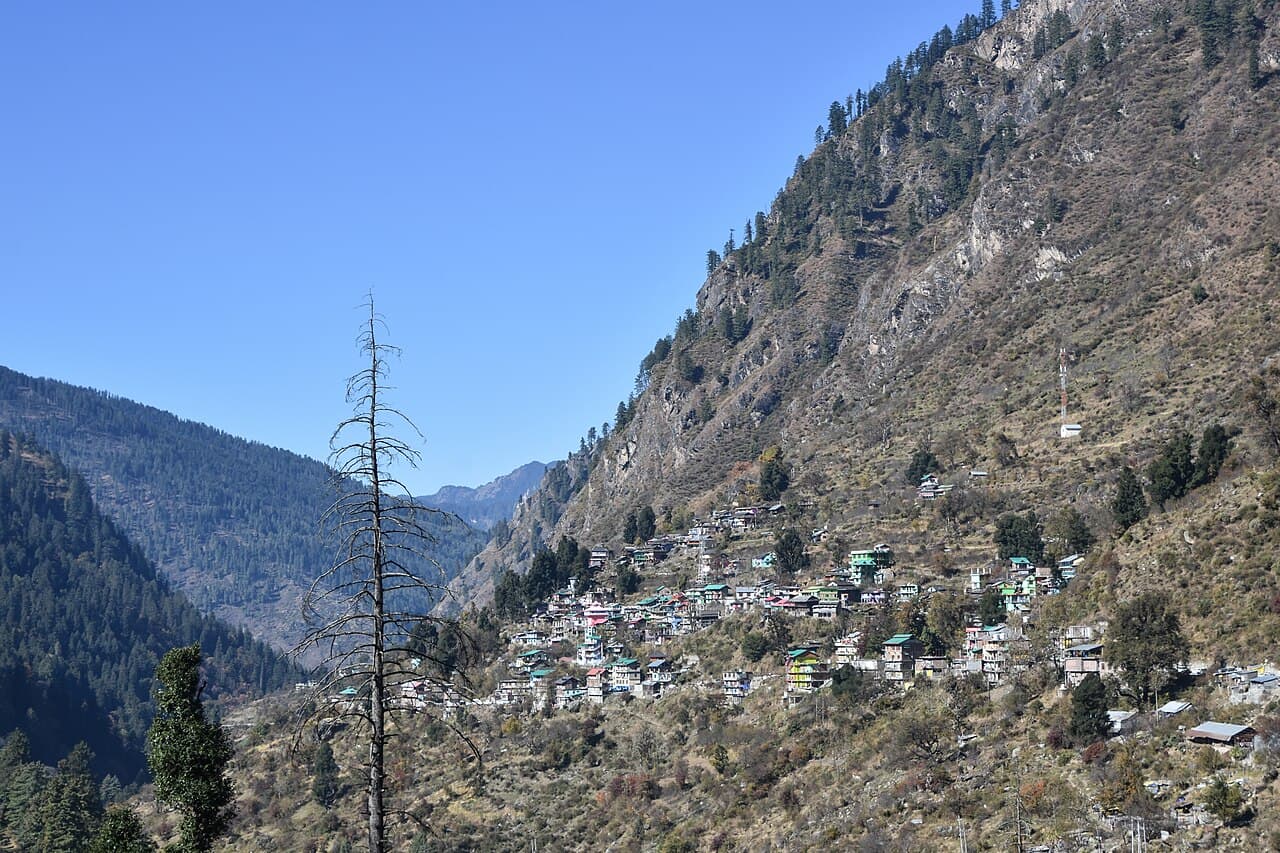
Barshaini: Where the Road Gives Way to the Valley
Barshaini is more than a transfer point. It is where the valley asks you to exchange the certainty of a road for the attention a village path deserves.
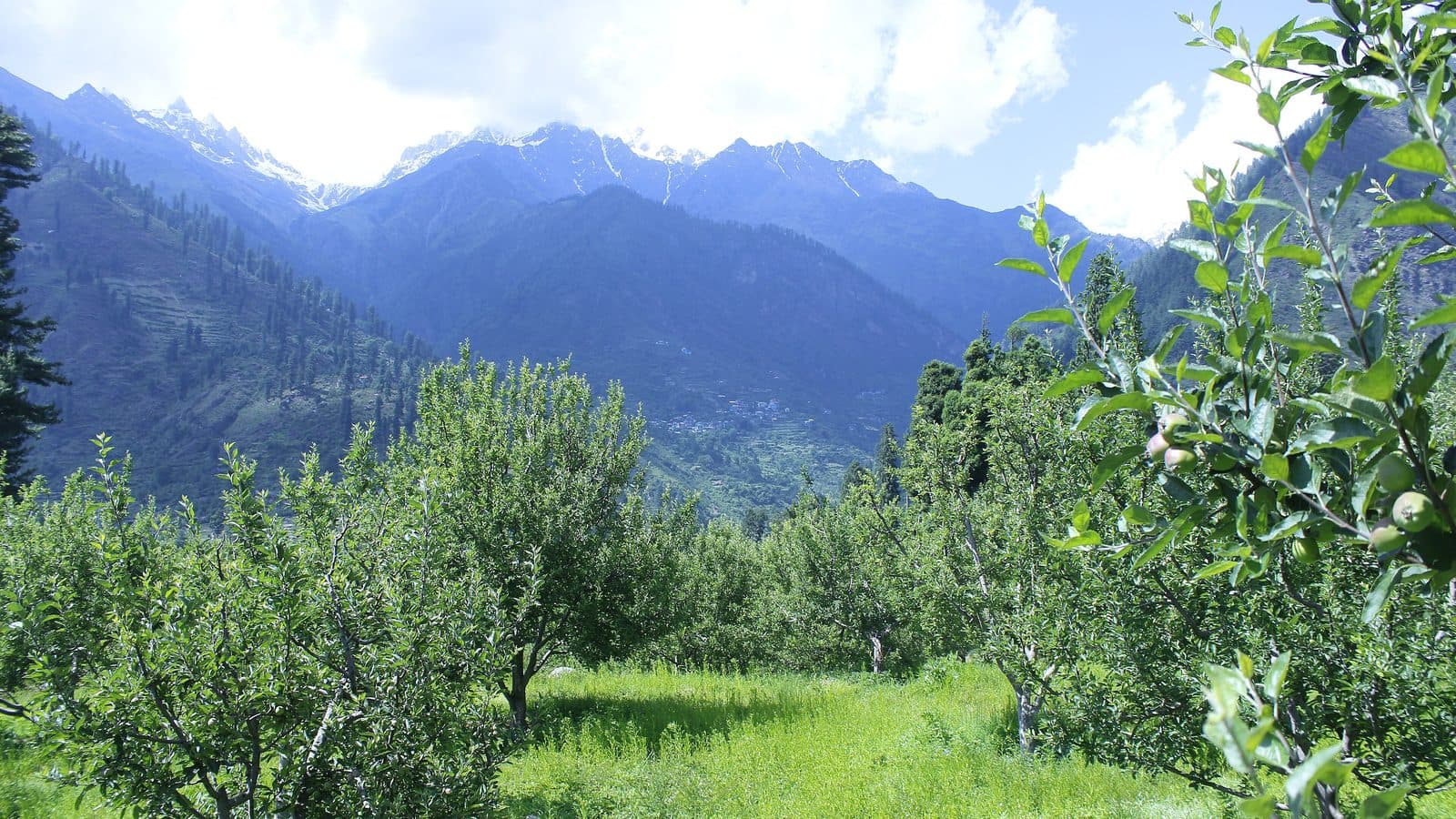
Pulga, Forests, Waterfalls and Silence
Three kilometres from Barshaini, across a river, through what locals call the Fairy Forest. Pulga is close enough to Kasol to visit for an afternoon and far enough in spirit that most people forget to leave.
Bunbuni Pass, The Trail Beyond Kheerganga
Bunbuni Pass starts from Kalga and climbs to nearly 11,000 feet, offering the same Parvati valley wilderness as Kheerganga with a fraction of its foot traffic.
Related Places
Tosh, The Village Above the Valley
Tosh is the last village the Parvati valley offers before the trails take over entirely. Its fame arrived faster than its infrastructure, and both facts matter to anyone visiting now.
Barshaini: Where the Road Gives Way to the Valley
Barshaini is more than a transfer point. It is where the valley asks you to exchange the certainty of a road for the attention a village path deserves.
Pulga, Forests, Waterfalls and Silence
Three kilometres from Barshaini, across a river, through what locals call the Fairy Forest. Pulga is close enough to Kasol to visit for an afternoon and far enough in spirit that most people forget to leave.
Bunbuni Pass, The Trail Beyond Kheerganga
Bunbuni Pass starts from Kalga and climbs to nearly 11,000 feet, offering the same Parvati valley wilderness as Kheerganga with a fraction of its foot traffic.
Walk this chapter with awareness
Kutla, Tosh Valley, Kullu, Himachal Pradesh is a living landscape of villages, shrines, forests, and weather that turns quickly. Move softly, ask before you photograph faces or temples, support local homes, and carry back everything you carry in. The mountain remembers a respectful guest.
Read the Yatri CodeThe Himalayas are not asking to be visited.They ask to be understood.
Learn the trail, its people, and its silences before you set out, then walk this chapter with awareness.