
Devta Trails of Parvati Valley: Walking as a Guest
A cultural reading of Parvati Valley, grounded in district sources and the limits of an outsider’s knowledge. Village traditions ask for attention before interpretation.
A threshold can teach more than a viewpoint, if you stop long enough to notice it.
The Journey
A path can be open while the doorway beside it is not. That small distinction is easy to miss when a journey has been planned as a series of places to enter. In Parvati Valley, a more useful beginning is to stop at the threshold and recognise that arrival does not settle the question of invitation.
“Devta trails” here means a way of reading the valley's cultural landscape, not a newly mapped pilgrimage circuit. It does not promise access to ceremonies or connect every village to a single tradition. A reader can move between the chapters on Manikaran, Malana and Grahan while keeping their identities separate.
For wider context, the Kullu district administration describes a regional festival culture in which religious observance, music and community gatherings belong together. Its account of Kullu Dussehra explains that the celebration begins on Vijayadashami and continues for a week. This is evidence about the regional festival, not proof that each Parvati village follows identical customs or dates.
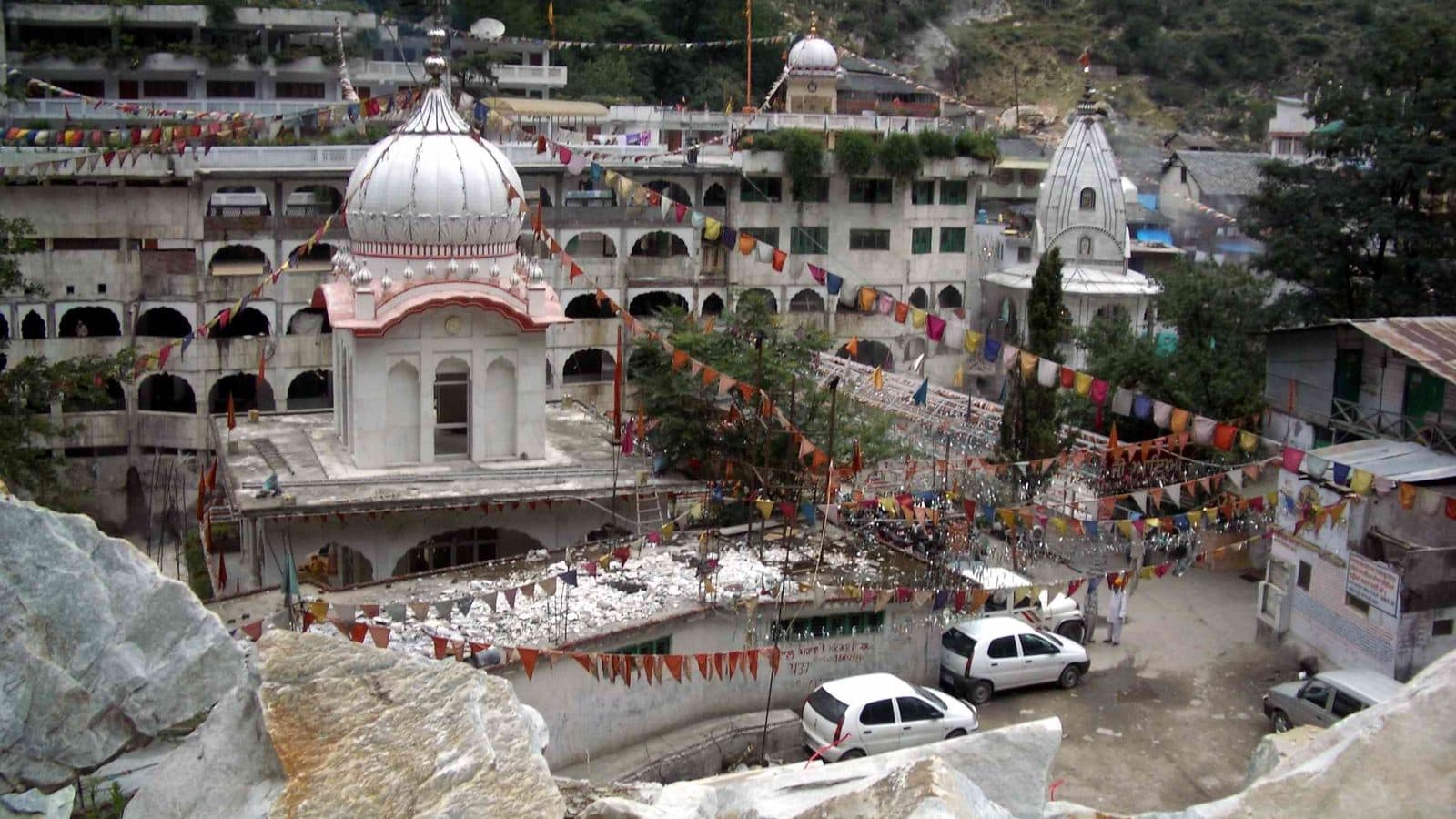
Manikaran offers a distinct point of entry. The district's description identifies it as a place of Hindu and Sikh pilgrimage, and explicitly presents its association with Shiva and Parvati as legend. The fact that people hold a place sacred can be reported. A sacred account itself should be attributed to the tradition that holds it, without being converted into a verified historical event.
People and mountains meet in more than a view. For a visitor, a slope may be scenery; for a household, access to a field, a neighbour or a place of worship can make the same slope part of daily responsibility. This is an editorial reflection on how to travel, not a claim to know what every resident believes. No single resident could reasonably be expected to speak for an entire valley either.
The local perspective must therefore leave space for an answer. Ask the person responsible for a site where visitors may stand, whether photography is welcome and whether an event is open to outsiders. A refusal is complete information. Do not use a previous visitor's photograph as evidence that access must be allowed today.
There is no reward for extracting a story someone does not want to share. If a person does choose to explain a tradition, ask before recording or publishing it, keep their meaning intact and agree how they want to be credited. Belief, recollection and documentary history are different kinds of knowledge; careful writing should let the reader see which is being offered.
A practical cultural visit may be quieter than its online description: shoes left where requested, a camera kept away, a path kept clear. In Manikaran, follow the instructions of the particular gurdwara or temple being visited. Do not transplant a rule from one institution to another, or let a general etiquette list overrule the people responsible for the place.
Responsible travel here includes what happens afterwards. Avoid sensational labels, unsupported claims of secret rituals and photographs made by ignoring a boundary. The valley is not diminished by the things a visitor cannot enter or explain. Those limits are part of encountering a place whose life continues beyond the visit.
Practical Information
Read this alongside the individual village chapters. It is not a marked route or a festival schedule. Ask custodians about access and etiquette at each site; confirm event dates locally before making travel plans.
Questions Yatris Ask
Related Chapters
Manikaran Sahib, Where Two Faiths Share One Spring
Manikaran Sahib holds a Sikh gurudwara and Hindu temples around the same hot springs, each with its own origin story, both taken seriously by the people who visit.
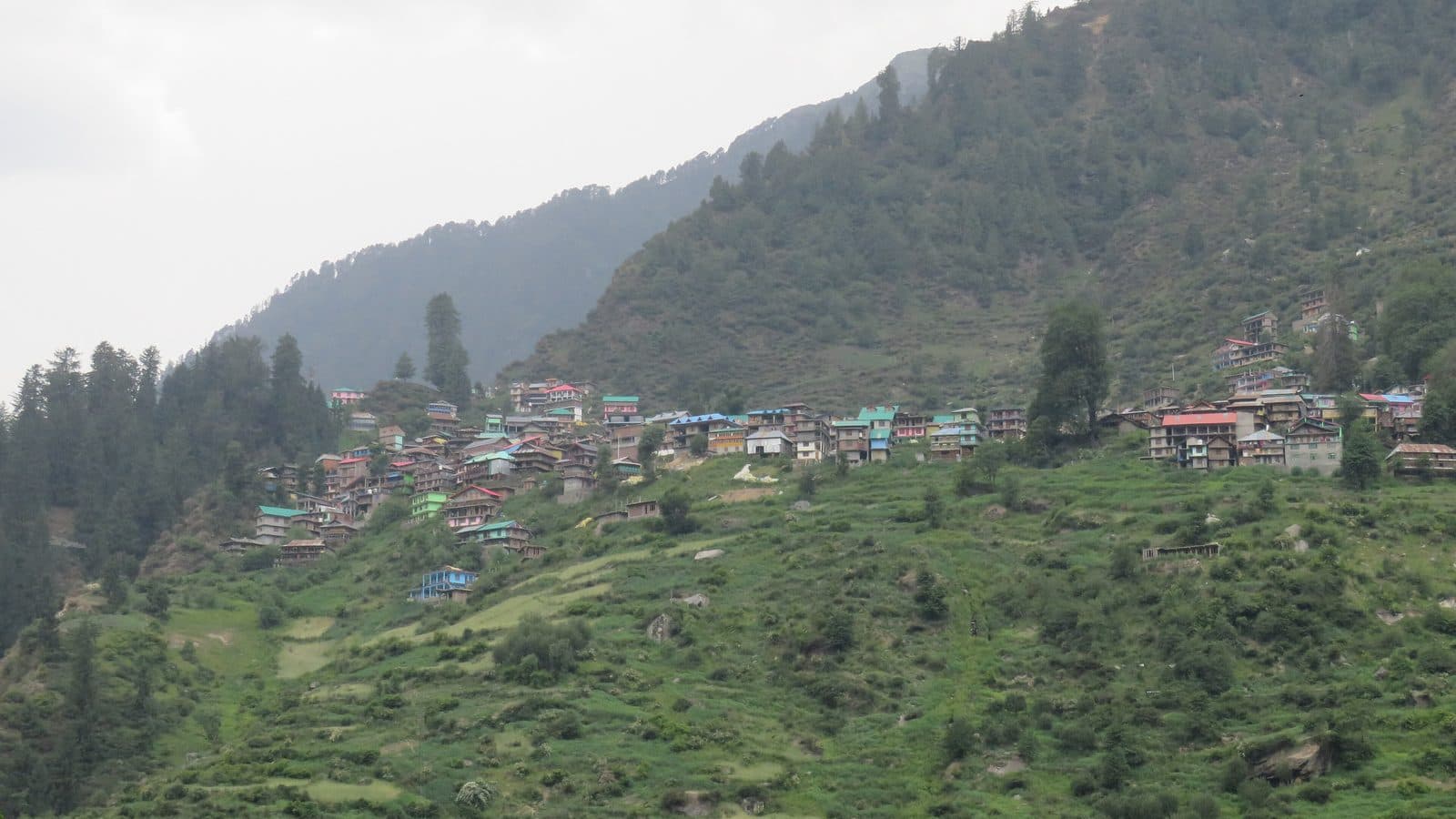
Malana, Between Myth and Reality
Malana is one of the most mythologised villages in the Himalayas, and also one of the most real, currently working through pressures that have nothing to do with the legends attached to it.
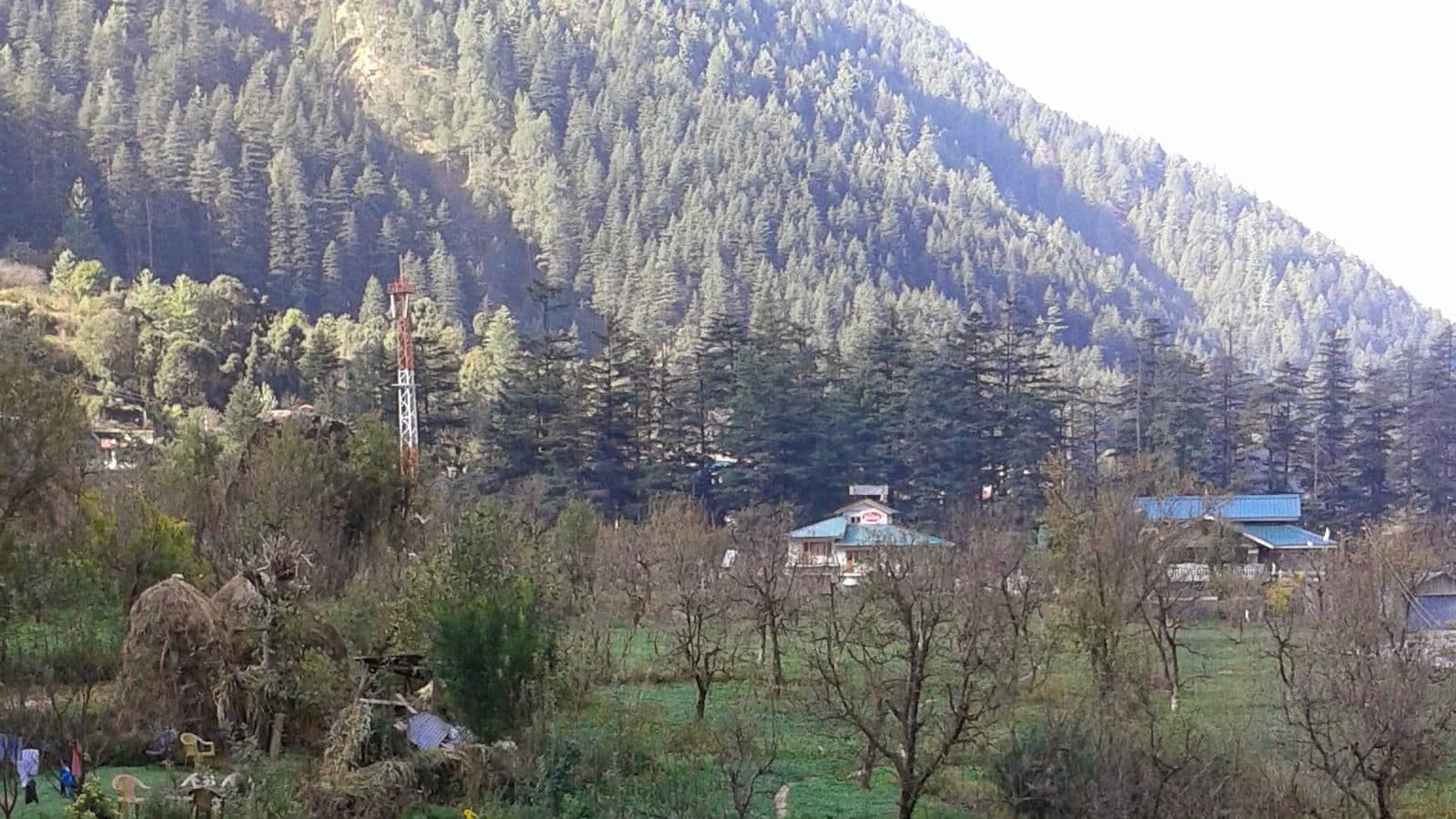
Grahan, A Village That Protects Its Traditions
A nine kilometre climb from Kasol leads to a village that runs on its own rules, kept not by law but by a shared decision the community has held onto for generations.
Himachal Temple Etiquette
Footwear, photography, dress, and what to do when a devta's palki meets you on the trail. How to enter a Himachali temple as a guest, not an audience.
Related Places
Manikaran Sahib, Where Two Faiths Share One Spring
Manikaran Sahib holds a Sikh gurudwara and Hindu temples around the same hot springs, each with its own origin story, both taken seriously by the people who visit.
Malana, Between Myth and Reality
Malana is one of the most mythologised villages in the Himalayas, and also one of the most real, currently working through pressures that have nothing to do with the legends attached to it.
Grahan, A Village That Protects Its Traditions
A nine kilometre climb from Kasol leads to a village that runs on its own rules, kept not by law but by a shared decision the community has held onto for generations.
Himachal Temple Etiquette
Footwear, photography, dress, and what to do when a devta's palki meets you on the trail. How to enter a Himachali temple as a guest, not an audience.
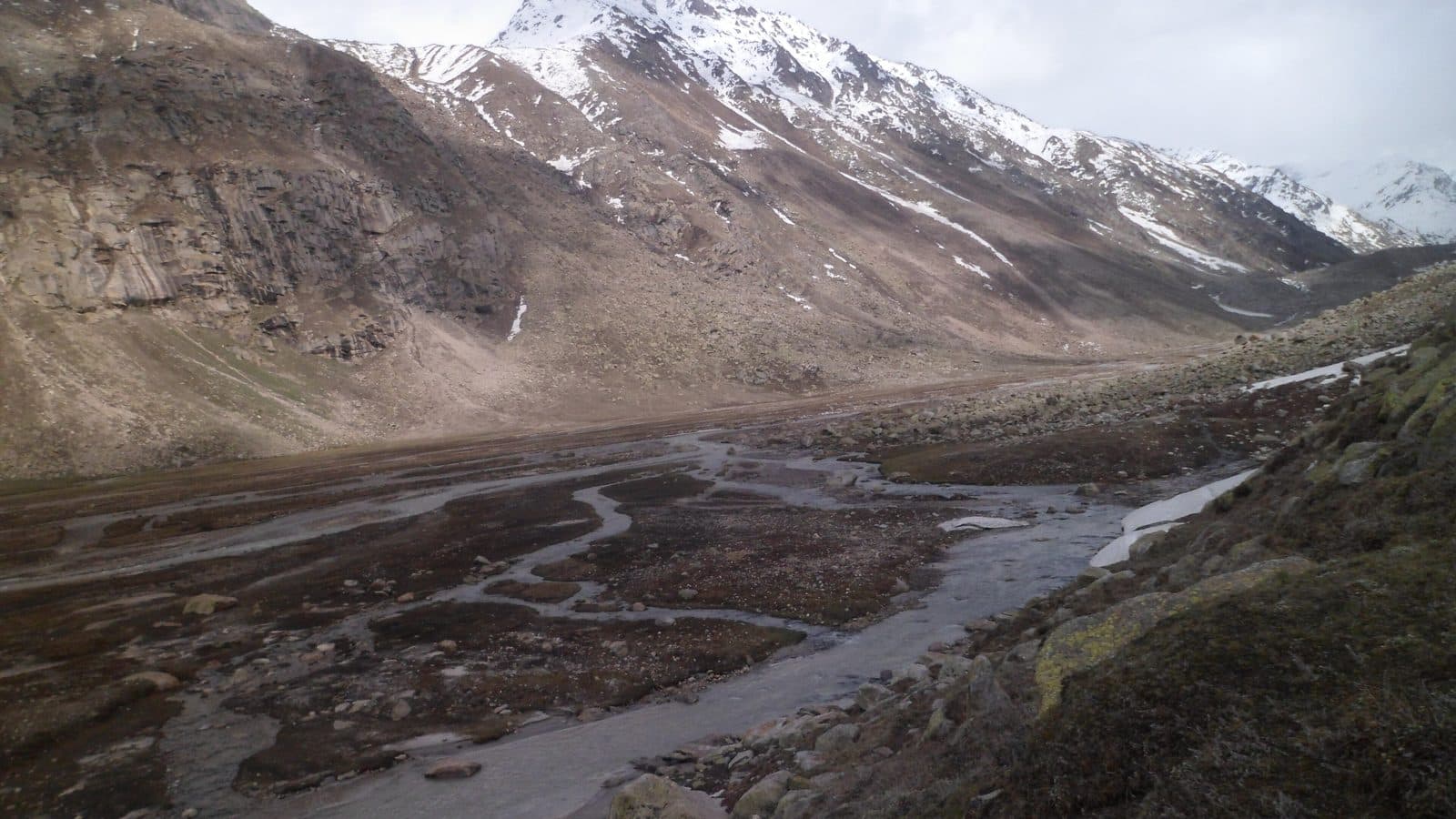
Walk this chapter with awareness
Parvati Valley, Kullu, Himachal Pradesh is a living landscape of villages, shrines, forests, and weather that turns quickly. Move softly, ask before you photograph faces or temples, support local homes, and carry back everything you carry in. The mountain remembers a respectful guest.
Read the Yatri CodeThe Himalayas are not asking to be visited.They ask to be understood.
Learn the trail, its people, and its silences before you set out, then walk this chapter with awareness.