
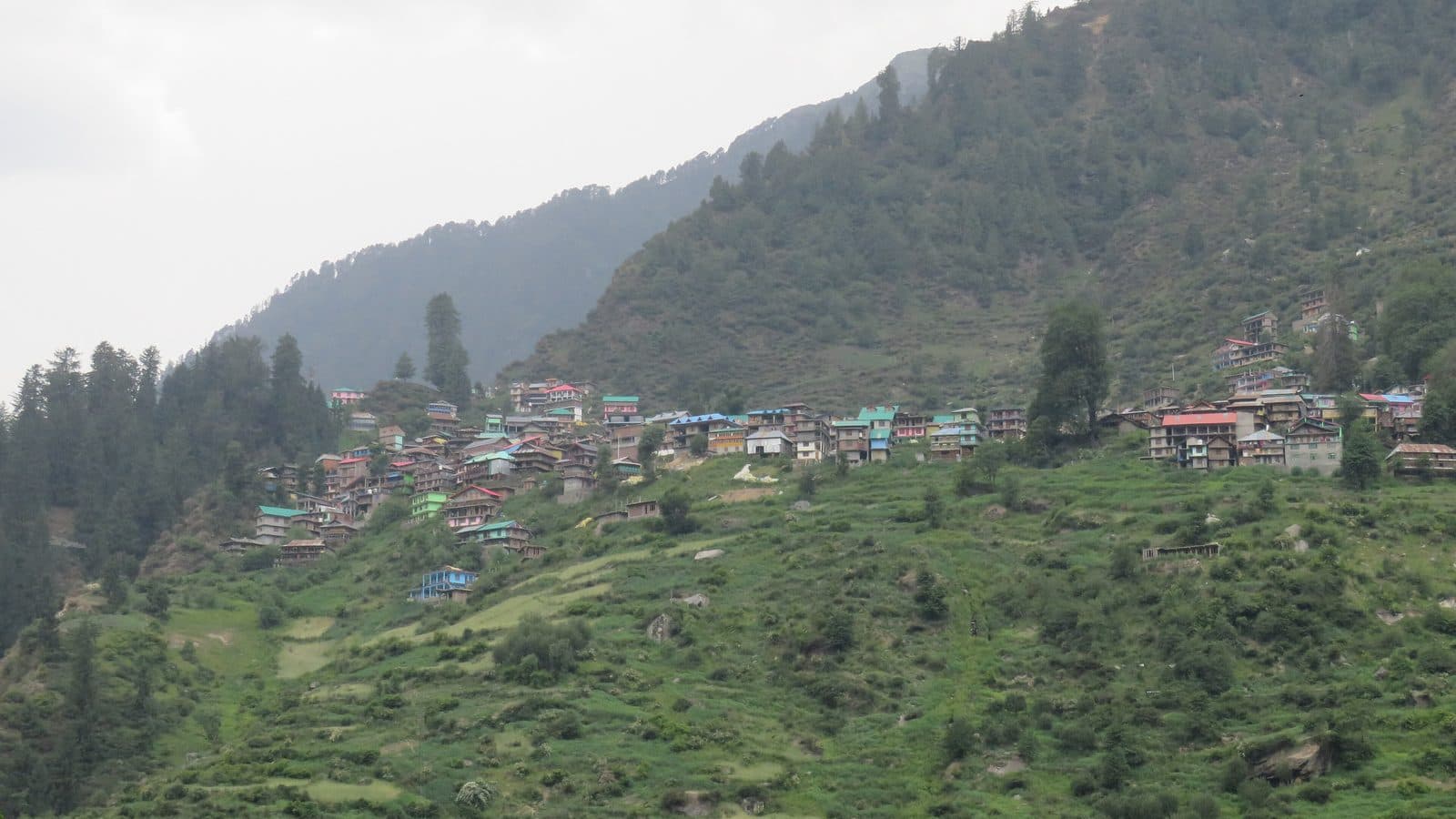
Malana, Between Myth and Reality
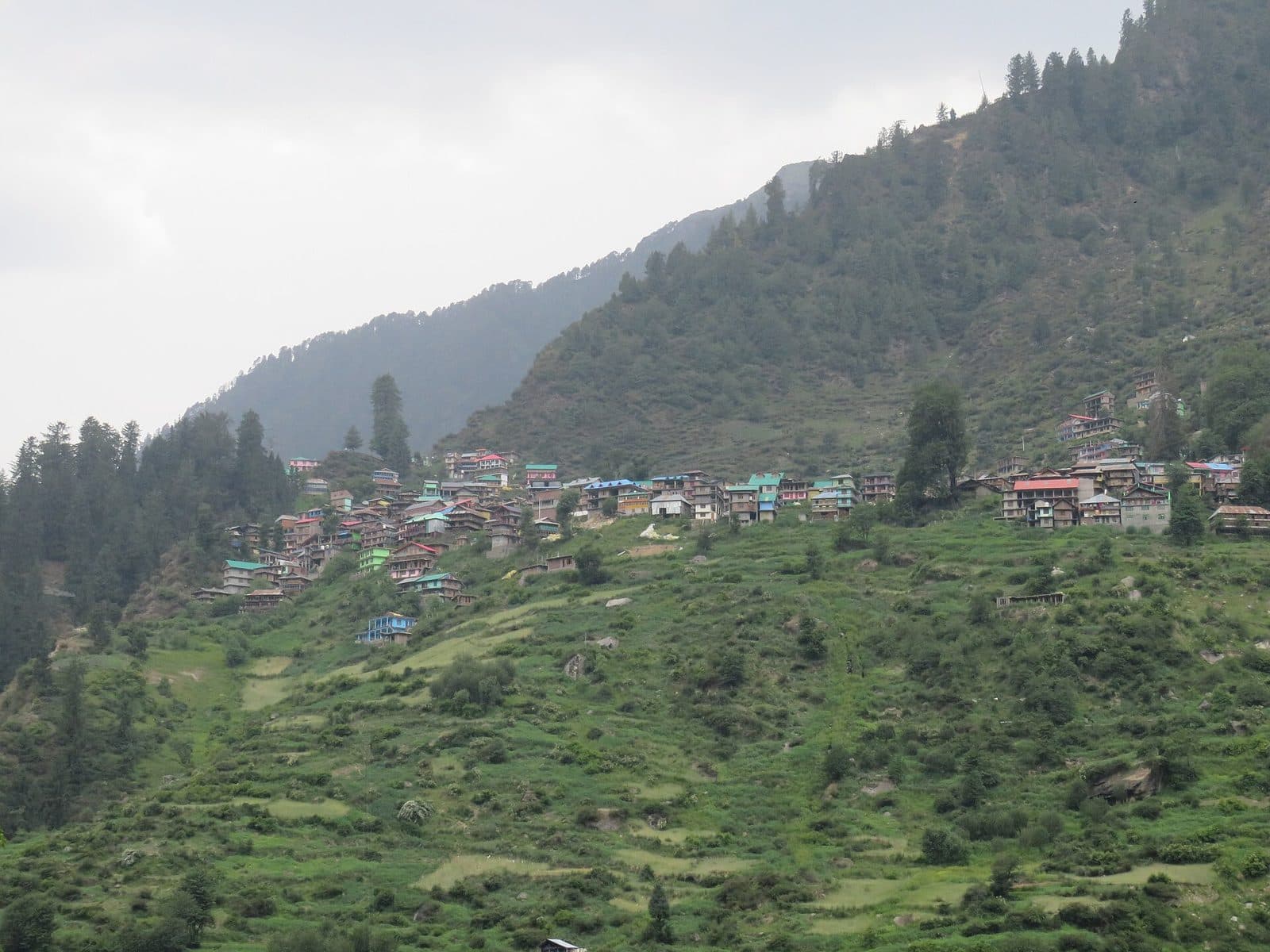
Malana is one of the most mythologised villages in the Himalayas, and also one of the most real, currently working through pressures that have nothing to do with the legends attached to it.
The stories about Malana travel faster than the facts do. This chapter tries to slow that down.
The Journey
Almost everything a visitor hears about Malana before arriving turns out to need a footnote. The Alexander's-army story, told with total confidence by more than one guide we spoke to, comes with no proof behind it in any source that examines it seriously. The oldest-democracy label, printed on enough blog headlines to feel like fact, describes a real local council system dressed in a superlative nobody has actually established.
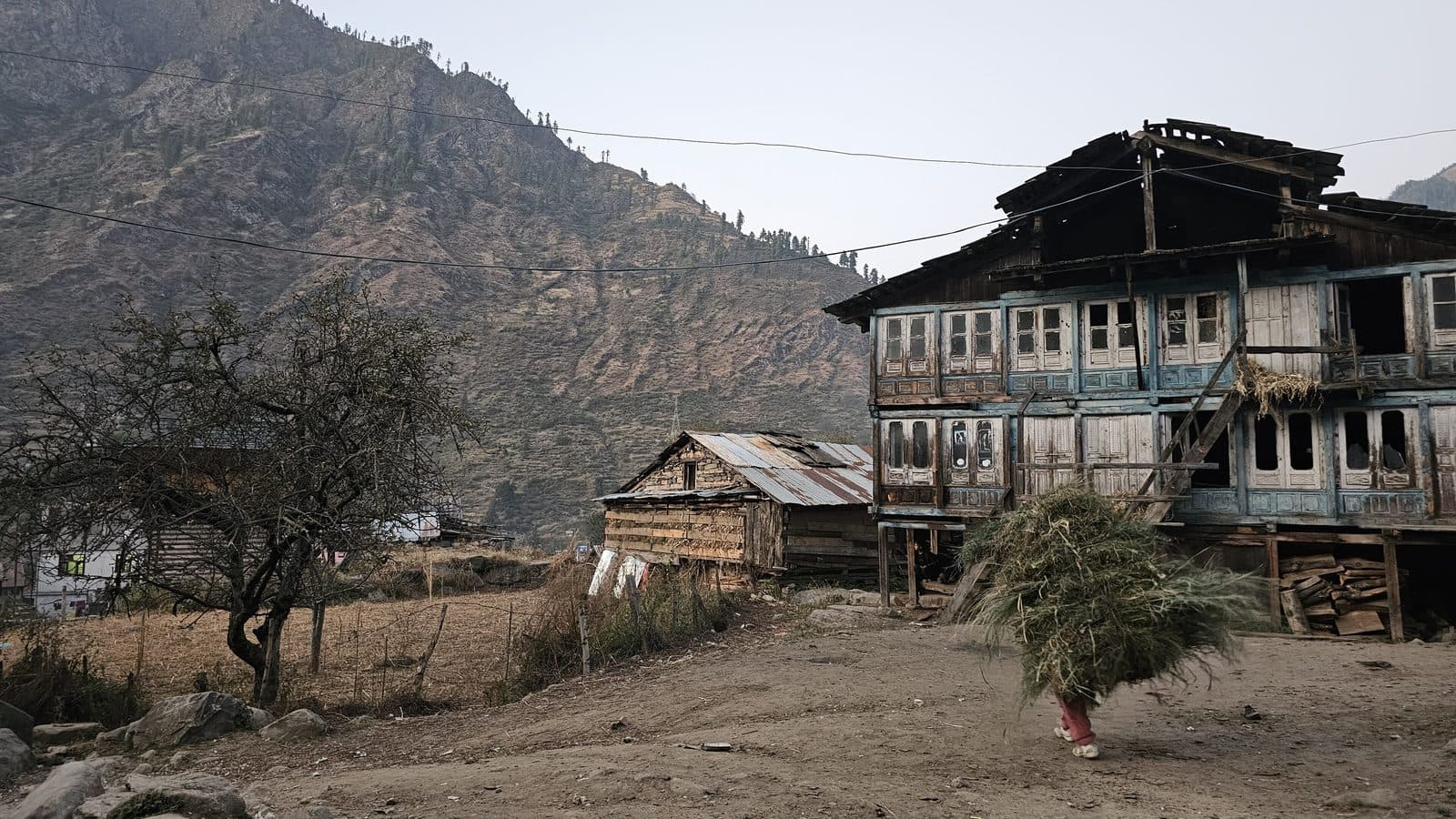
What is real is harder to package into a headline. Malana's own language, its own governance structure, its own relationship with the deity Jamlu, these are documented, lived, and distinct from anything else in this valley. They do not need Alexander the Great to be interesting.
What is also real, and less comfortable, is the cannabis economy that has shaped the village's recent decades. Naturally occurring cannabis became the village's most reliable income as demand grew from far outside the valley. A government effort to offer an alternative crop reportedly collapsed when the promised price never arrived, and the village returned to what worked. That is not a simple story of a village choosing crime. It is a story of an economic bet that failed and a fallback that carries real legal and social risk, and the village's own young people are the ones most exposed to that risk now.
Local truth: this chapter will not tell you where to find anything related to that trade, and would not if it knew. A responsible visit to Malana has nothing to do with it. It has to do with not touching what is not yours to touch, listening more than photographing, and understanding a real community instead of collecting its myths.
Come with humility rather than a checklist. Malana has survived centuries of outside curiosity already, and does not need one more visitor arriving certain of what they already know about it.
Practical Information
Malana is reached via Jari on the Kullu-Manali highway, then a drive and a trek on a route separate from the Kasol-Barshaini road that serves the rest of this book's villages. Confirm the current approach locally, as access points have changed over time.
Questions Yatris Ask
Related Chapters
Devta Trails of Parvati Valley: Walking as a Guest
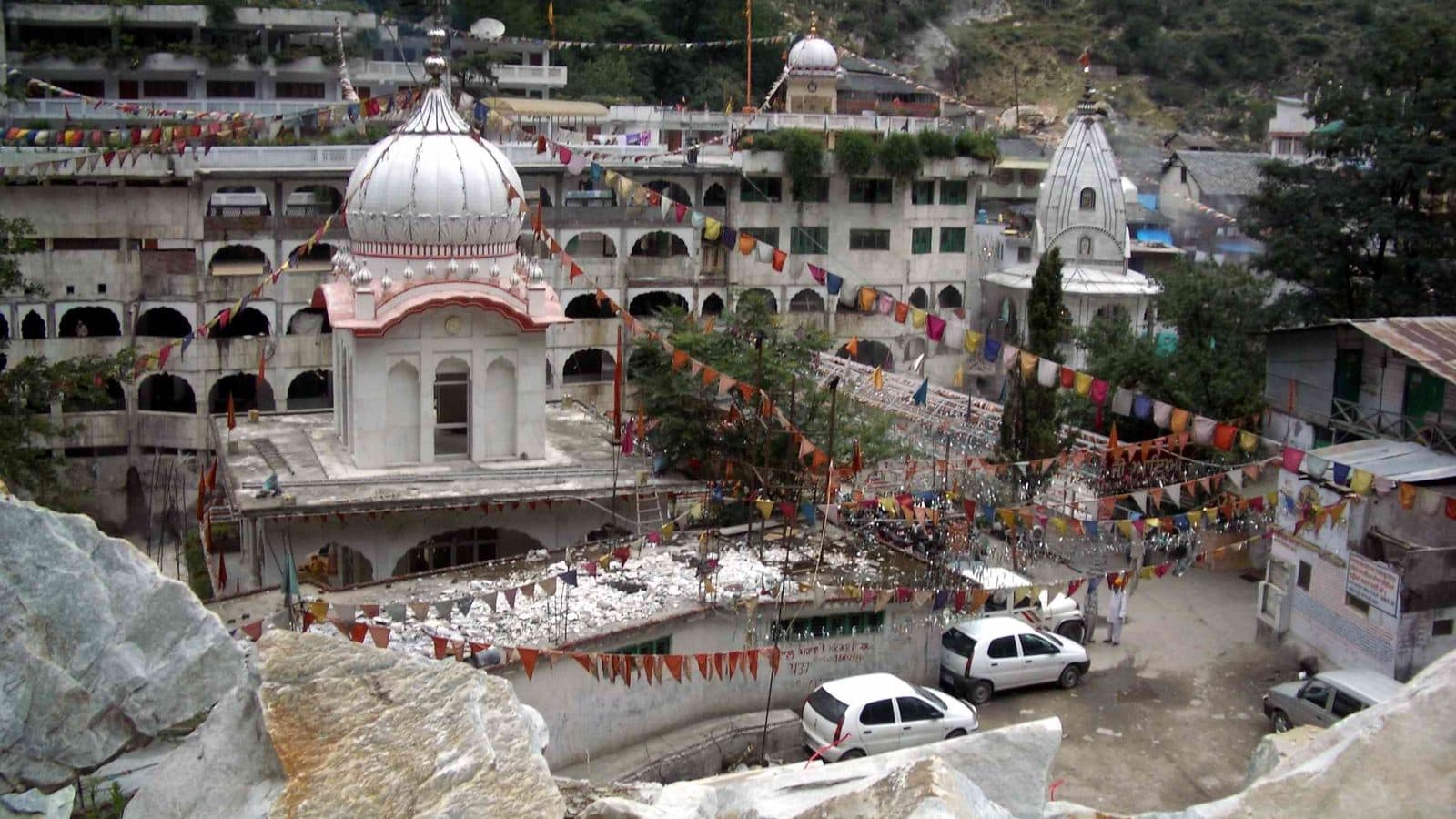
A cultural reading of Parvati Valley, grounded in district sources and the limits of an outsider’s knowledge. Village traditions ask for attention before interpretation.
Understanding Parvati Valley
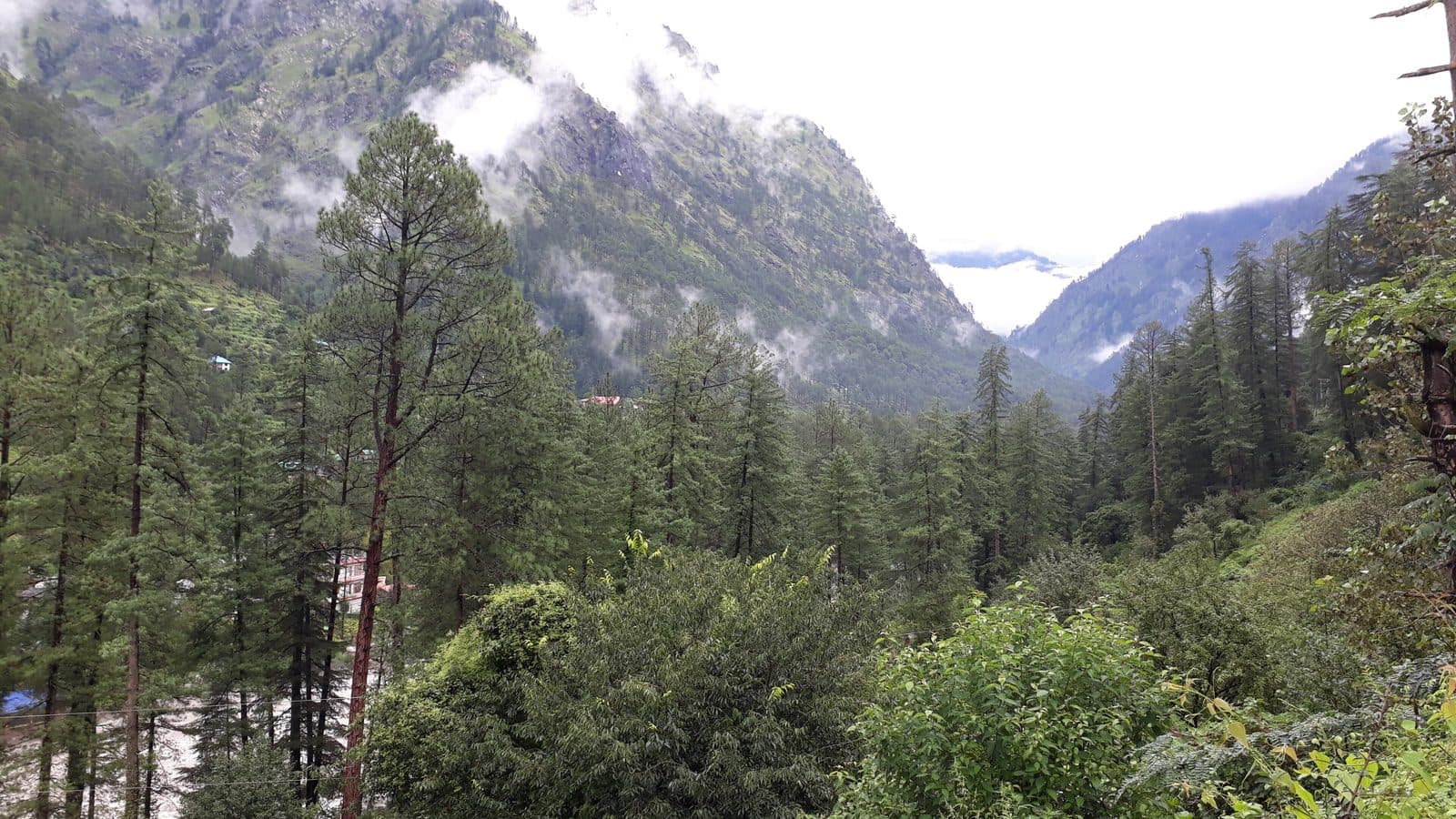
An opening to Parvati Valley through Kasol, Manikaran and the distinct settlements and routes gathered in this book.
Grahan, A Village That Protects Its Traditions
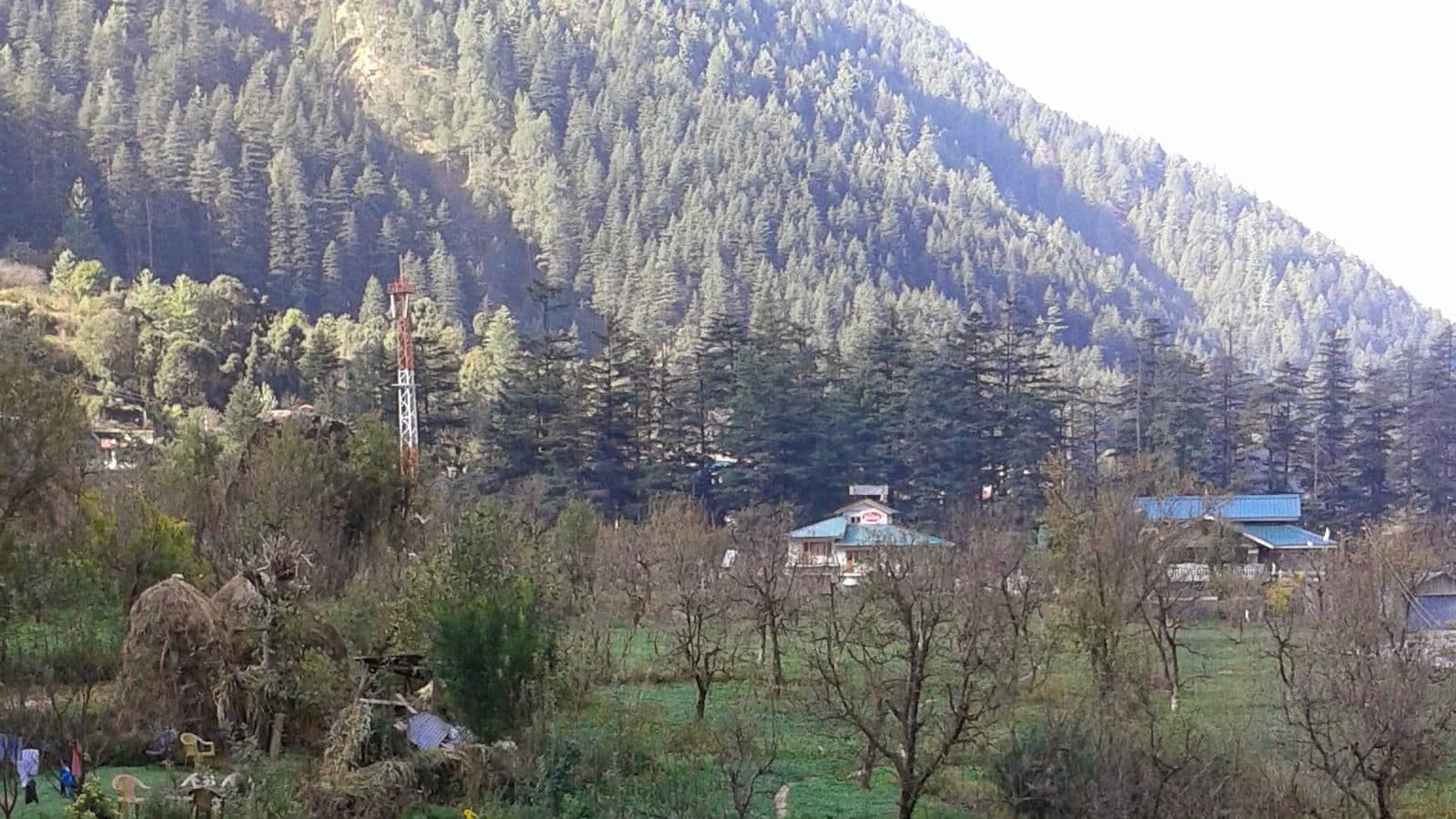
A nine kilometre climb from Kasol leads to a village that runs on its own rules, kept not by law but by a shared decision the community has held onto for generations.
Waichin Valley, The High Meadow
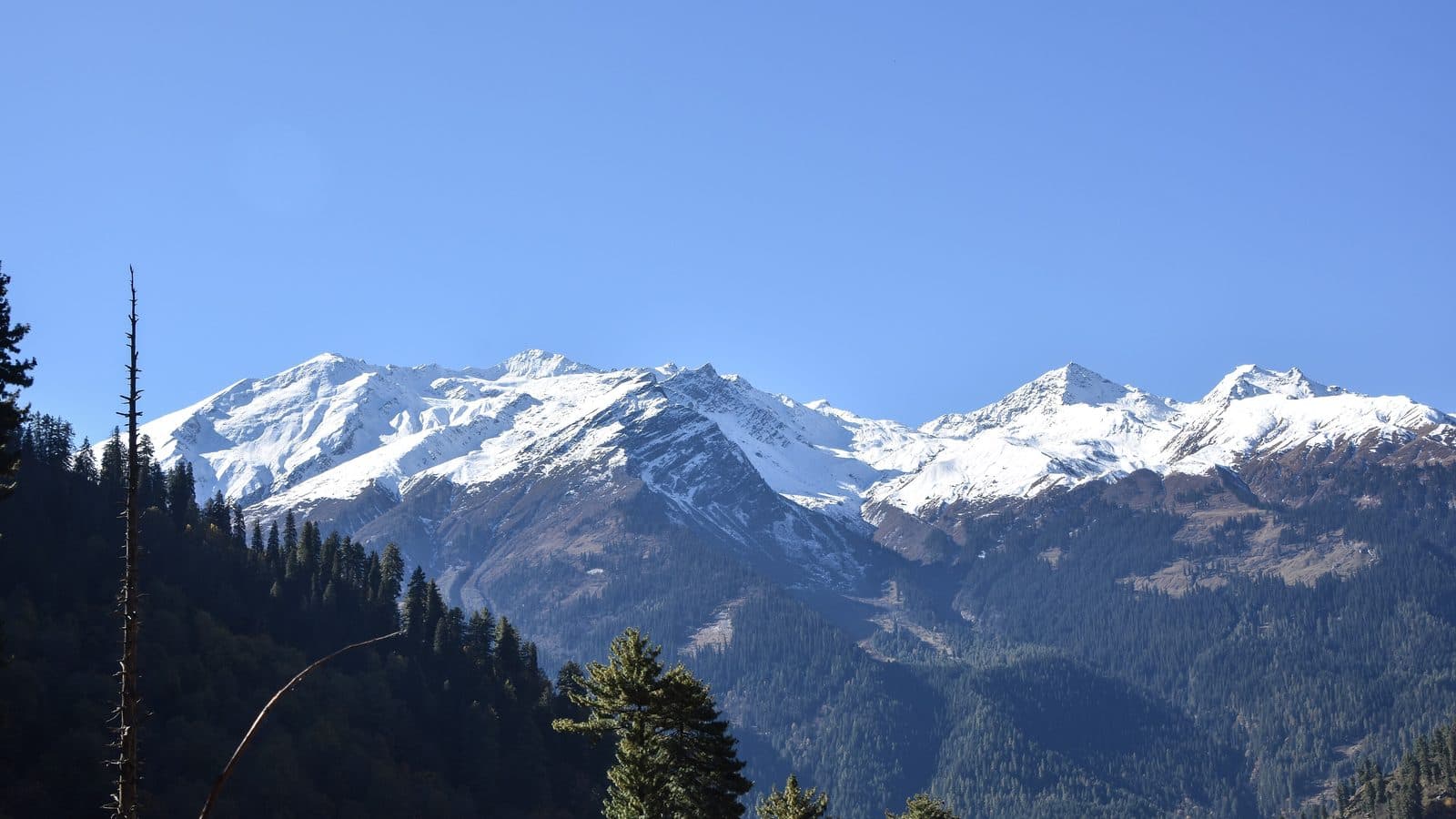
Waichin Valley begins near the Malana Dam and climbs into remote green meadows most trekking itineraries skip entirely.
Related Places
Devta Trails of Parvati Valley: Walking as a Guest
A cultural reading of Parvati Valley, grounded in district sources and the limits of an outsider’s knowledge. Village traditions ask for attention before interpretation.
Understanding Parvati Valley
An opening to Parvati Valley through Kasol, Manikaran and the distinct settlements and routes gathered in this book.
Grahan, A Village That Protects Its Traditions
A nine kilometre climb from Kasol leads to a village that runs on its own rules, kept not by law but by a shared decision the community has held onto for generations.
Waichin Valley, The High Meadow
Waichin Valley begins near the Malana Dam and climbs into remote green meadows most trekking itineraries skip entirely.
“Malana was never waiting to be discovered. It was already there, being itself.”
Photograph acknowledgements
Greenpenguin3459 / CC BY-SA 4.0 via Wikimedia Commons. Displayed with a responsive crop. Photograph source. Licence terms.
Walk this chapter with awareness
Malana, Parvati Valley is a living landscape of villages, shrines, forests, and weather that turns quickly. Move softly, ask before you photograph faces or temples, support local homes, and carry back everything you carry in. The mountain remembers a respectful guest.
Read the Yatri CodeThe Himalayas are not asking to be visited.They ask to be understood.
Learn the trail, its people, and its silences before you set out, then walk this chapter with awareness.