
Why Locals Avoid Manali in Peak Season
When the temperature in Delhi hits 45°C, the soul of Manali begins to suffocate under a sea of white number plates and honking horns.
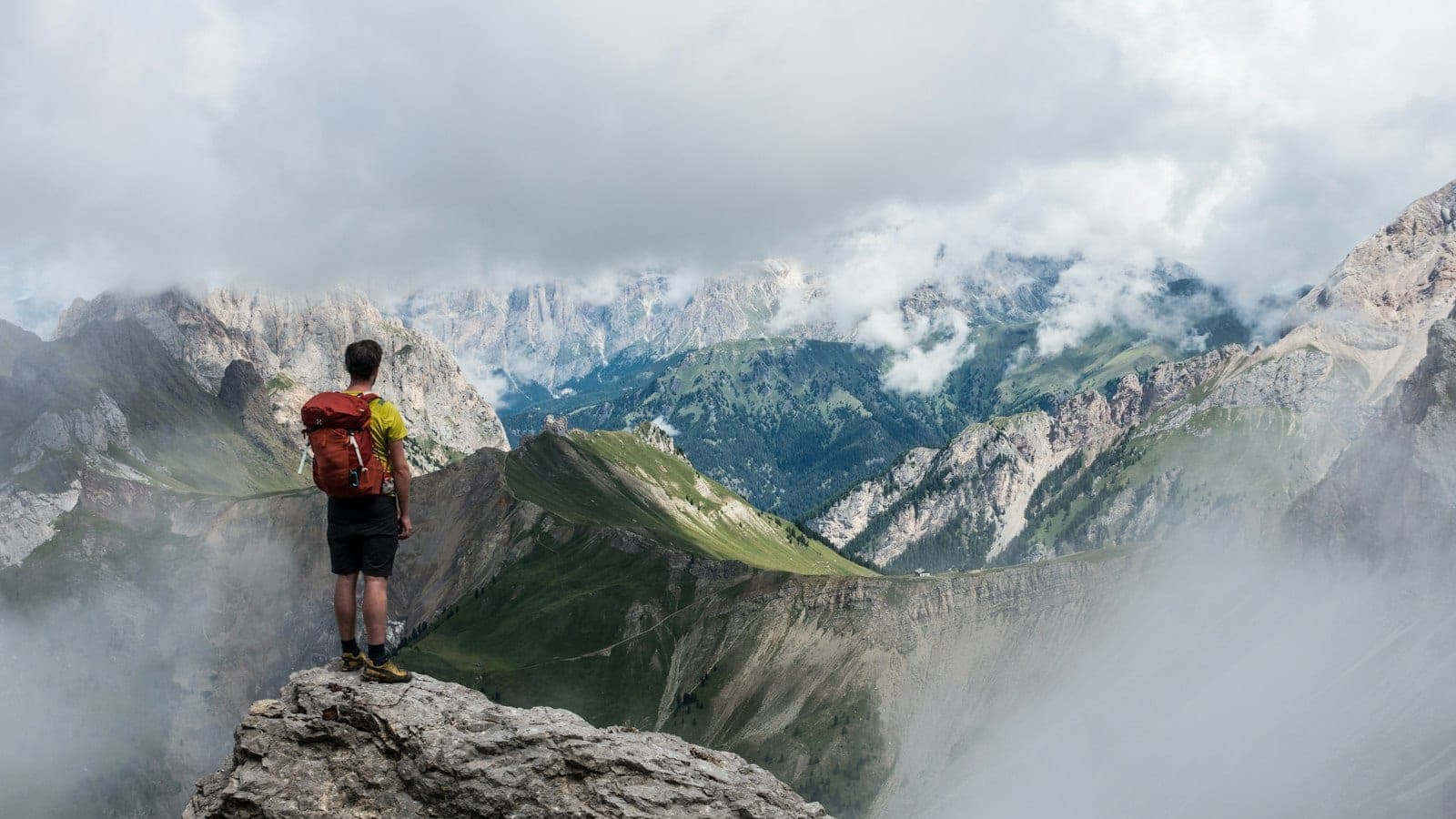
Tourists love the snow on Rohtang and the vibrant cafes of Old Manali. It's the quintessential Himalayan escape, and for good reason—the scale of the peaks here is truly humbling.
The Reality Locals See
But for those of us who live here, peak season (May-June) is a logistical nightmare. A 10-minute drive to the market takes an hour. The Beas river banks are littered with plastic, and the 'mountain air' is thick with diesel exhaust from thousands of idling SUVs.
The water pressure drops as hotels scramble to meet demand, and the local serenity is traded for a frantic, commercial energy that feels more like a city than a sanctuary.
When Manali Actually Makes Sense
Manali is beautiful, but you have to choose your window:
- September: The rains have washed the dust away, the orchards are heavy with apples, and you can actually hear the Beas roaring without the accompaniment of a car horn.
- Late January: See the town draped in two feet of silent snow. This is when the real pioneers visit.
Better Alternatives
If you need the height without the crowd, consider these:
- Kalpa in Kinnaur: Massive Kinner Kailash views with a fraction of the chaos.
- Tirthan Valley: Deeper reaches offer the same cedar forests and river sounds in peace.
Final Takeaway: Manali is a beautiful gateway, but a gateway is meant to be passed through, not clogged. Visit, but choose your window wisely.
