There is gold in Kamrunag lake and nobody counts it. As a man who has spent twenty-two years counting other people's money, I need you to understand how radical that is.
I grew up an hour from the trailhead and had never gone up. You never visit what is always available; ask anyone from Agra about the Taj. What finally sent me up the mountain, at forty-five, with my knees filing objections, was a promise.
Fifteen years ago, in a bad year, I told my father I would take him to Kamrunag when things got better. Things got better. I got busy. He died with the promise still open on my books.
The climb from Rohanda is six kilometres of deodar so tall the light arrives filtered, like it too must remove its shoes. Pilgrims passed me carrying sweets and steel bells. A boy of maybe eight overtook me twice, once in each direction.
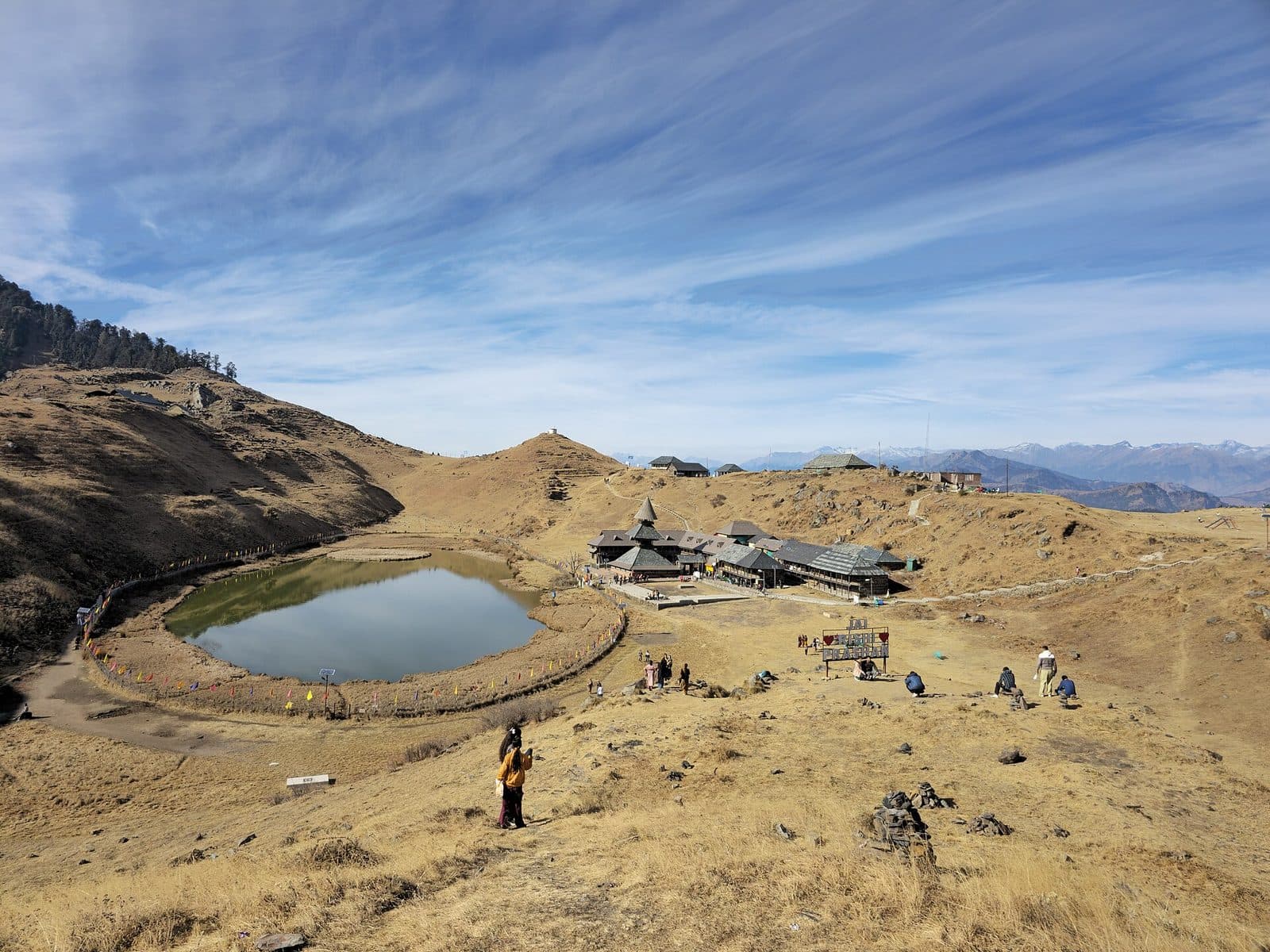
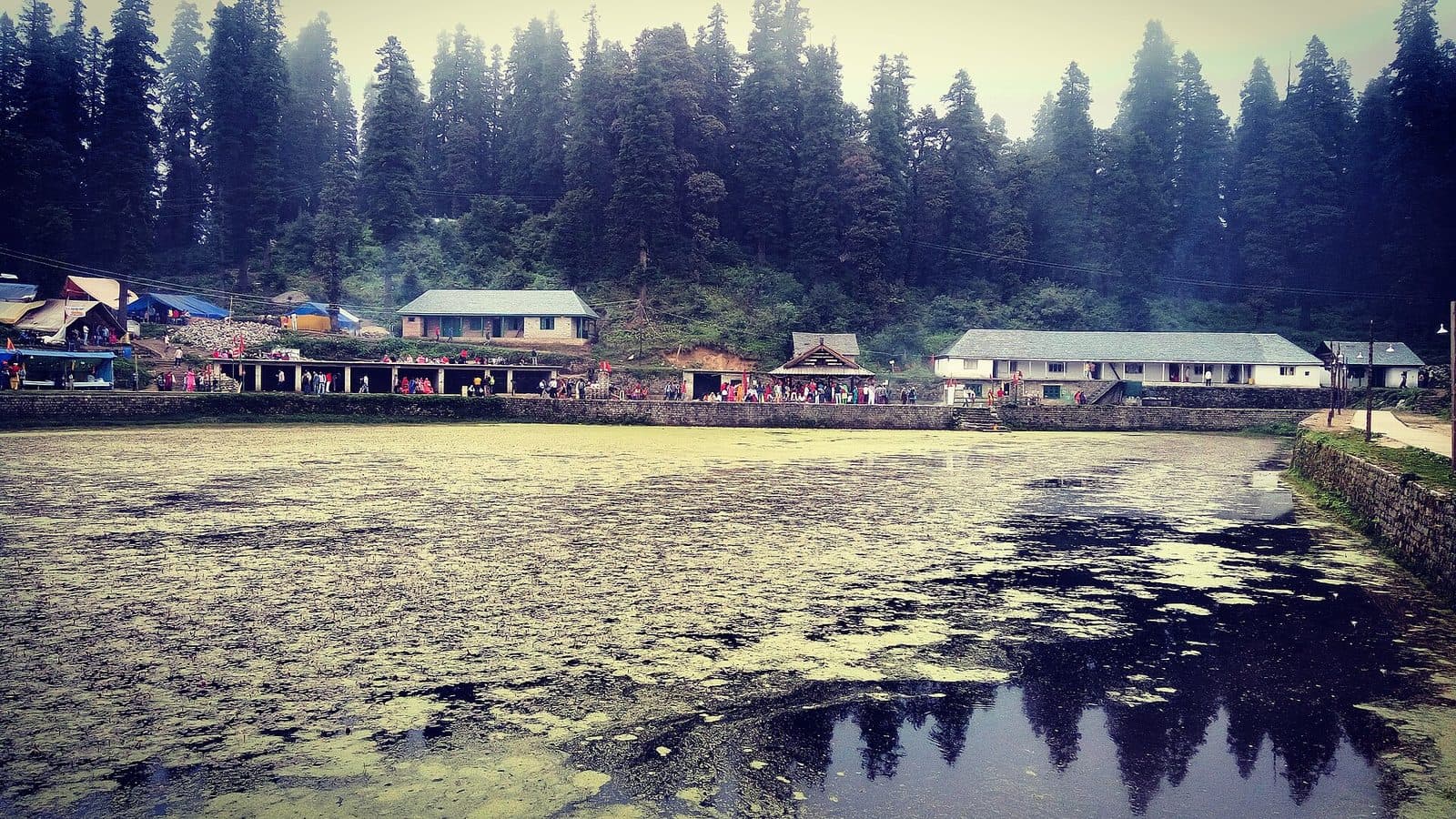
The lake, when it comes, is small and dark and absolutely certain. People stood at the edge whispering to the water, and then the coins went in with a sound softer than any cash counter I have ever heard. Coins, rings, sometimes gold. Five hundred years of it lies in that mud, they say, and in a district where I know men who would dig a road for less, nobody touches it.
I asked the pujari how the treasury stays safe. He said, "Dar nahi, samajh hai." Not fear. Understanding. The wealth belongs to the god, so it is not wealth anymore. It is memory with weight.
I stood at the edge for a long time, and then I paid my father's account. One coin, one sentence into the water, fifteen years late. The lake accepted the entry without interest or penalty, which is more than I can say for any institution I have worked with.
Walk it in October when the fair crowds are gone. Make no promise at that water you cannot keep, and if you carry an old unkept one, carry it up. The lake has been settling exactly that kind of debt for centuries.